
Pool: what to know before you hire
A pool is a stack of decisions, not one: the shell, the interior finish (plaster vs. tile), the coping edge, water features, and — legally the big one — the cover and safety barriers. Most regret comes from the wrong shell or finish for the climate and budget, or safety the local code requires that wasn't planned in.
What pool work looks like
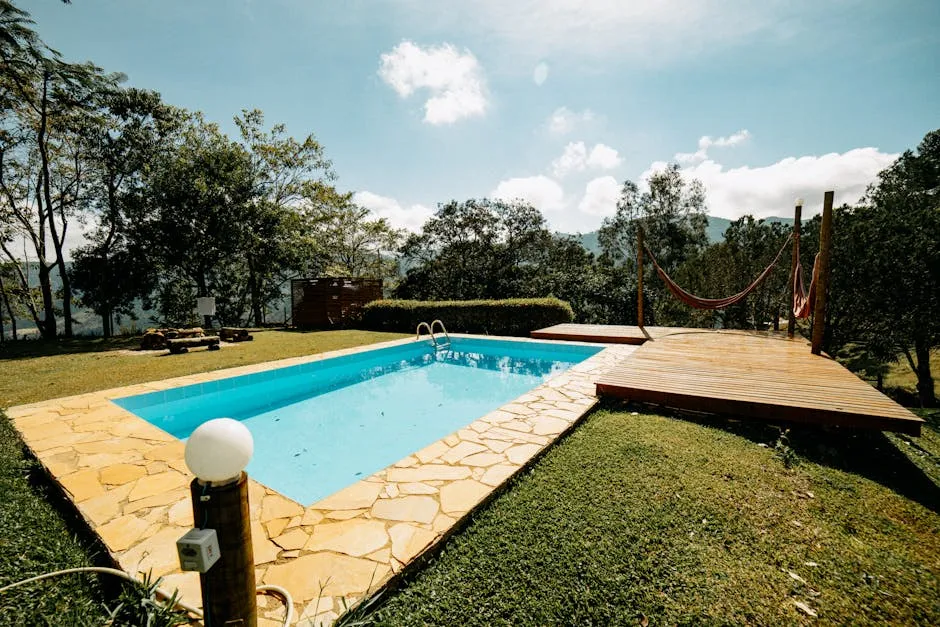
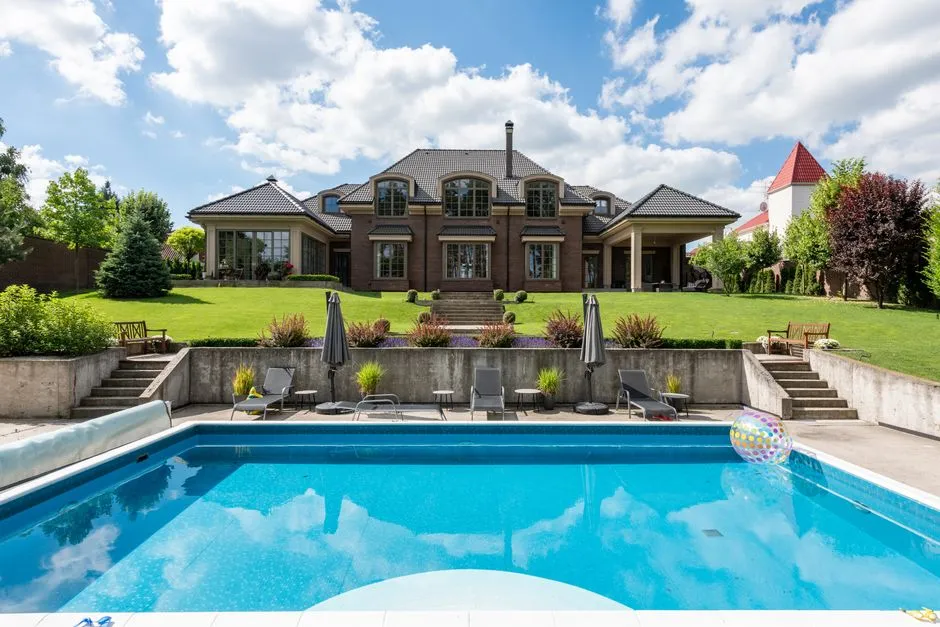
A look at the kind of work and finishes involved — licensed reference photos.
How the work actually works
The shell is the start, but a pool is really a stack of choices — finish, coping, features, and safety. Here's how the big ones compare, including the cover and barrier requirements that are usually the law.
- 1
Pick the shell type
Fiberglass, vinyl, or gunite (compared below). It sets the budget, the timeline, and how custom you can get.
- 2
Excavate and set the structure
Dig, then set the shell or form, tie steel, and shoot the gunite — with attention to soil, the water table, and proper backfill so it doesn't shift or float.
- 3
Plumb, wire & rough in features
Circulation lines, skimmers, returns, and the main drain, plus the plumbing for any waterfall, spa, or jets — and bonding/grounding of all metal, a real electrical-safety code requirement around water.
- 4
Surface it: finish, waterline tile & coping
The interior finish (plaster, aggregate, or full tile), the band of waterline tile, and the coping that caps the shell. These set the look and the upkeep (all compared below).
- 5
Cover, secure & start up
Install the cover and the code-required safety barriers, then fill, balance the water, and commission the equipment. Plan the cover and fence from the start — they're frequently mandatory, not add-ons.
Pool shell types
The shell is the decision everything else follows from — cost, build time, customization, and upkeep.
- Fiberglass
- A pre-molded shell dropped in — the fastest install (weeks), a smooth low-maintenance surface that holds chemicals well, and the lowest lifetime upkeep. Limited to factory shapes/sizes that fit on a truck; higher upfront than vinyl.
- Vinyl-liner
- A steel or polymer wall frame with a replaceable vinyl liner — the lowest upfront cost and any shape, but the liner tears and fades and needs replacing every ~7–12 years (a recurring cost).
- Gunite / concrete (shotcrete)
- Sprayed concrete over rebar, then plastered — fully custom shapes, depths, and features, and the most durable. The most expensive and slowest to build, with a rougher surface that needs more chemicals and periodic resurfacing.
The buried steps & equipment that matter
Past the shell, these quietly determine safety, running cost, and longevity.
- Soil, water table & backfill
- Bad soil, a high water table, or sloppy backfill let a shell shift, float, or crack. Site conditions drive a lot of the real cost.
- Bonding & grounding
- Every metal component around a pool must be bonded together and grounded — a non-negotiable electrical-safety code item, not a place to cut corners.
- Circulation & sizing
- A right-sized pump and filter with enough skimmers and returns keep the water clear; undersized or inefficient equipment means cloudy water and high bills (variable-speed pumps cut energy a lot).
- Sanitation & automation
- Chlorine vs. saltwater (a chlorine generator — gentler feel, less hands-on, but still chlorine) vs. mineral systems; timers and automation cut the daily labor.
Interior finish — how the pool is surfaced
The shell is the structure; the interior finish is the waterproof surface you see and swim against. This is the plaster-vs-tile decision.
- Plaster (white / marcite)
- The classic, cheapest finish — a cement-based coat over the gunite. Smooth at first, but it stains and roughens over time and needs resurfacing every ~7–15 years.
- Aggregate (quartz / pebble)
- Plaster blended with quartz or pebbles (e.g. Pebble Tec) — far more durable (15–20+ yr), more colors, and a textured, non-slip surface. The popular upgrade over plain plaster.
- Fully tiled pool
- Tile over the entire interior — the most durable, luxurious, and fully waterproof finish, in glass, porcelain, or stone, with deep-color water and custom patterns. The priciest by far, and only gunite pools take a full-tile interior.
- Waterline tile (nearly always)
- Even plaster and aggregate pools get a band of tile at the waterline — that's where sun, oils, and scale leave a scum line that wrecks plaster. Tile there cleans easily, is standard, and is a spot to add an accent.
Coping — the edge you grab
Coping caps the pool edge where the shell meets the deck — a safety grip and a big part of the look. The profile sets traditional vs. modern.
- Bullnose (traditional)
- A rounded, comfortable edge — the classic look, in precast concrete or natural stone. Soft on hands and feet and forgiving of the edge.
- Cantilevered concrete
- The deck concrete poured over the pool edge with a form — a seamless, integrated look, square or slightly eased. Economical and common.
- Mitered edge (modern)
- Two pieces joined at a 45° miter for a crisp, square edge — the sleek modern look, usually in stone or porcelain pavers. Cleaner lines, less forgiving, and more cutting labor.
- Material (travertine / stone / porcelain)
- Travertine is popular because it stays cool underfoot; natural stone and porcelain pavers match the deck for a high-end look. Avoid materials that get scorching in full sun.
Water features
Features add movement, sound, and cost — each is extra plumbing and often its own pump.
- Waterfall / sheer descent
- A cascade over rock, or a smooth sheet of water (a 'sheer descent') from a raised wall — the most popular feature, for sound and looks.
- Deck & laminar jets
- Arcing streams of water from the deck into the pool — playful, lit at night, and relatively cheap to add.
- Bubblers & tanning ledge
- Low bubblers on a shallow sun shelf — kid-friendly and a modern signature.
- Spa spillover
- An attached spa that spills into the pool — a feature and a heated soak in one, but it adds heater and plumbing cost.
Covers & safety — usually the law, not an upgrade
Pools carry serious legal and safety requirements. Plan the cover and the barriers from the start — they're frequently code, not options.
- Safety barrier / fence
- Most jurisdictions require an isolation fence (commonly 48"+) with self-closing, self-latching gates around the pool. Confirm your local code — it's usually mandatory before you can even fill it.
- Automatic safety cover
- A motorized cover that slides over the pool on a track — the best option: it holds a child's or pet's weight, cuts evaporation and heat loss, and lowers chemical use. Expensive, but the safety-plus-savings standard.
- Manual safety cover
- An anchored mesh or solid cover (often for the off-season) that also holds weight — cheaper than automatic, but a chore to put on and take off.
- Solar / winter covers are NOT safety covers
- Bubble (solar) covers retain heat and winter covers keep debris out — neither holds weight, and neither counts as a safety cover. Don't rely on them for safety.
- Alarms & anti-entrapment drains
- Gate/door and pool-surface alarms are required in some areas; main drains must be anti-entrapment (VGB) compliant — dual drains or a compliant drain cover. Non-negotiable safety items.
Red flags of a corner-cut job
- No assessment of soil, water table, or backfill plan.
- Skipping or hand-waving the bonding and grounding of pool metal.
- An undersized or single-speed pump/filter for the pool's volume.
- Plaster with no waterline tile band — the scum line will wreck the finish.
- No code-required safety barrier/fence or self-latching gate, or main drains that aren't anti-entrapment (VGB) compliant.
- A solar or bubble cover treated as a safety cover (it won't hold weight).
- A gunite price or timeline that sounds like a fiberglass install — they're very different.
Put it in writing
- The shell type and interior finish (plaster/aggregate/tile) chosen for your budget and climate, with lifespan spelled out.
- Waterline tile included, and the coping profile and material chosen.
- A soil/water-table assessment and a proper backfill plan.
- Code bonding and grounding of all pool metal, inspected.
- A code-compliant safety barrier, anti-entrapment drains, and ideally an automatic safety cover.
- Permit and inspection, plus the equipment, cover, and sanitation plan in writing.
Talk like a pro
The terms a contractor uses — so you can follow the conversation and ask the right questions.
- Gunite / shotcrete
- Concrete sprayed over rebar to form a fully custom pool shell.
- Plaster vs. aggregate finish
- The interior surface — basic cement plaster vs. quartz/pebble-blended plaster, which is more durable and textured.
- Waterline tile
- The band of tile at the water's surface that resists the scum line; standard on plaster and aggregate pools.
- Coping (bullnose vs. mitered)
- The cap on the pool edge — a rounded traditional bullnose vs. a crisp 45°-mitered modern edge.
- Automatic safety cover
- A motorized track cover that seals the pool and holds a person's or pet's weight.
- Anti-entrapment (VGB) drain
- A drain and cover design that prevents suction entrapment — a federal pool-safety requirement.
- Bonding / grounding
- Electrically tying all metal together for safety around water — a code requirement.
- Variable-speed pump
- An efficient pump that runs slow most of the time — large energy savings.
What drives the cost
- Shell type — fiberglass, vinyl-liner, or gunite/concrete (a wide price and timeline spread)
- Interior finish — plaster vs. aggregate (quartz/pebble) vs. a fully tiled pool
- Size, depth, and site work (excavation, access, soil, water table)
- Coping, waterline tile, and water features (waterfall, spa spillover, jets)
- Equipment, plus the cover and code-required safety barriers (fence, alarms)
What it costs to hire
Typical per-unit ranges for pool services (estimates until local pros publish their rates):
Pool plaster / resurfacing | $4–$4 per sq ft (interior) |
Pool safety fence install | $10–$10 per linear ft |
Pool light install / replace | $137–$137 per light |
Above-ground pool install — small (≤15 ft round) | $800–$1,500 per project |
Above-ground pool install — large / oval | $3,000–$5,000 per project |
See full prices and pros in Palmdale, Los Angeles.
Permits & safety
This is safety- and code-sensitive work that often requires a licensed professional and a permit. Rules vary by city and county, so confirm with your local building department before any work begins.
Pool FAQ
What should a pool quote actually include?
A good quote names the materials, the spec or grade, and the scope of work — not just one lump-sum number. The more a bid leaves vague, the more room there is for surprise costs and cut corners. The checklist above lists exactly what to put in writing for this kind of work.
How much does Pool work cost?
On FinerNest, Pool work is priced by the unit rather than as a single bid, so you see the rate up front. The rates above reflect what pros publish; open the city links to see full prices and available pros near you.
How do I find a trustworthy pool pro?
Look for published rates, reviewable past work, and verified licensing where it applies. FinerNest lists local pros with all three so you can compare on work and price rather than chasing quotes.
Decided to hire it out?
Compare pool pros with real rates and reviewable work.