
Concrete & Paving: what to know before you hire
A driveway or patio's lifespan is poured into the base and the joints, not the surface. The two questions are which material — poured concrete, pavers, or asphalt — and whether the contractor prepped the ground and planned for water and cracking.
What concrete & paving work looks like
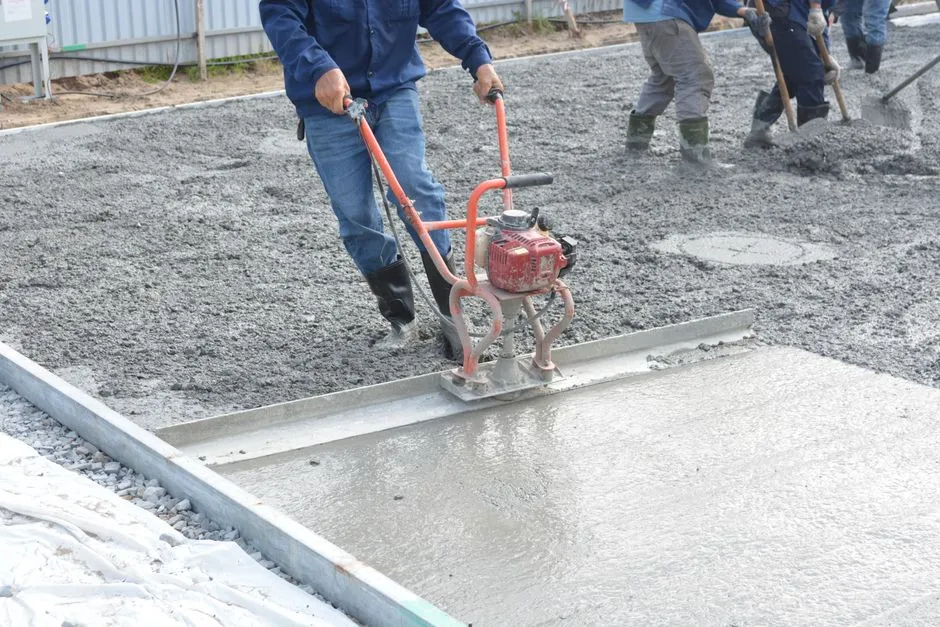
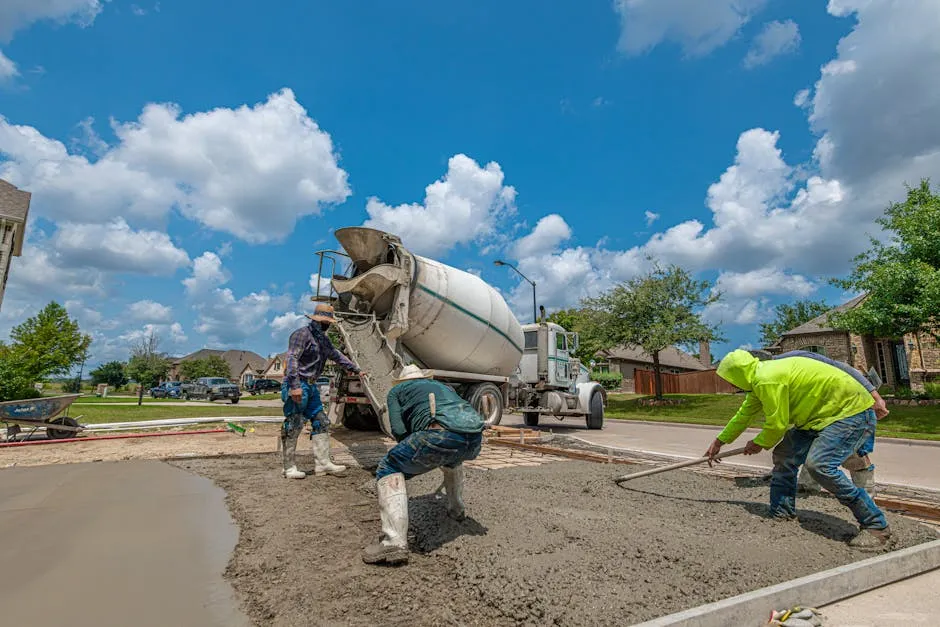
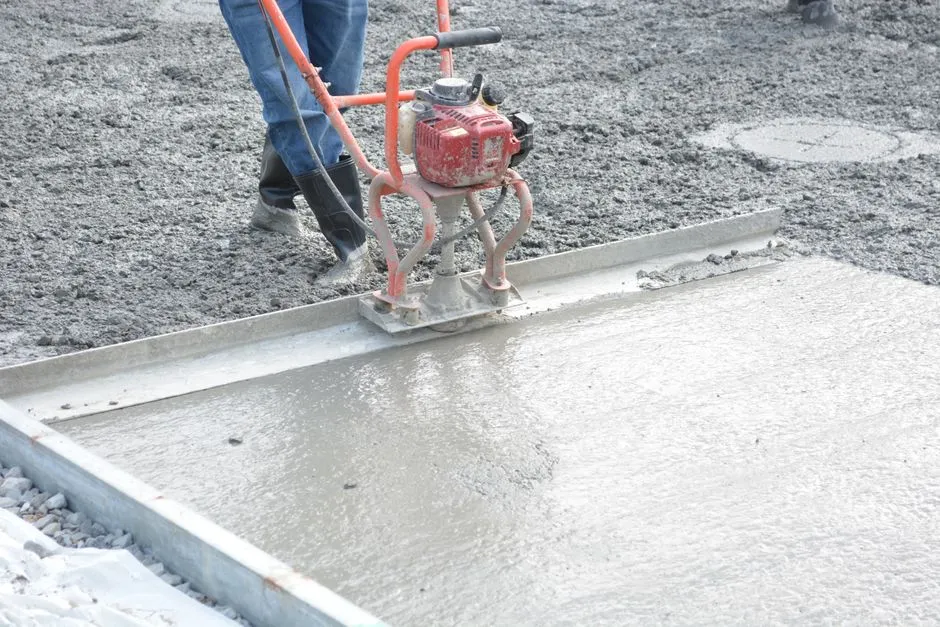
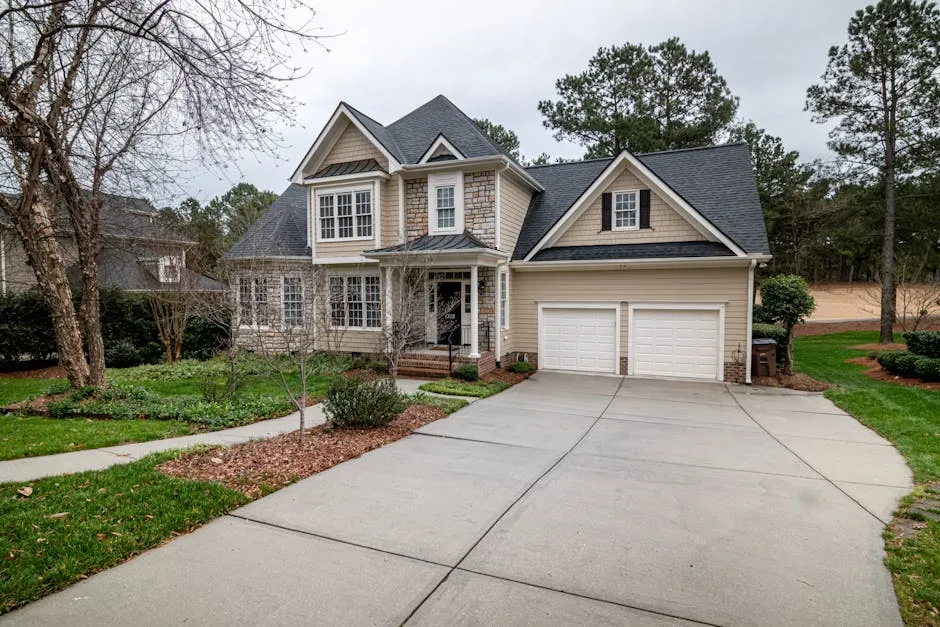
A look at the kind of work and finishes involved — licensed reference photos.
How the work actually works
Concrete cracks and pavers heave when the ground under them was rushed. Here's how the materials compare and what a proper base and finish look like.
- 1
Excavate and build the base
Dig down, then lay and compact a gravel sub-base. A thick, compacted base is what stops settling and heaving; a thin or un-compacted one guarantees failure.
- 2
Form, slope, and reinforce
Forms set with a slight slope so water drains away from the house, and rebar or wire mesh added for concrete.
- 3
Pour or lay and finish
Concrete poured, screeded, floated, and finished (broom, trowel, or stamped); pavers set on a sand bed, edge-restrained, and compacted.
- 4
Joints & curing
Control joints cut into concrete so it cracks where you want it, and the concrete cured slowly (kept moist) for strength; paver joints filled with sand.
Paving materials — and the trade-offs
Pick for budget, climate, and how you'll feel about a crack or a repair in ten years.
- Poured concrete
- The economical, low-maintenance default for driveways and patios. It will crack — control joints decide where — and sealing plus proper curing extend its life.
- Pavers (concrete or stone)
- Interlocking units on a compacted base. Pricier, but no big cracks (units move independently) and a single damaged paver is easy to swap. Heaving comes from a bad base, not the pavers.
- Asphalt
- Cheaper for driveways and flexible in cold climates, but it needs periodic seal-coating and softens in heat. Fast to install and drive on.
- Stamped / decorative concrete
- Concrete textured and colored to mimic stone or brick — the look of pavers at less cost, but it still cracks like concrete and the surface needs re-sealing.
Where concrete & paving go wrong
Almost every failure traces to the base, the joints, or the water — not the material itself.
- Skimped base / no compaction
- The #1 cause of settling, cracking, and heaving. Ask about excavation depth, gravel base thickness, and mechanical compaction.
- Missing or wrong control joints
- Concrete must crack somewhere; control joints at the right spacing make it crack in straight, hidden lines instead of randomly across the slab.
- Bad drainage / slope
- Flat or back-pitched slabs send water toward the house or pool it on the surface — and freeze-thaw then breaks it apart. Everything should slope away.
- Pouring in bad weather / fast curing
- Concrete poured in freezing or scorching conditions, or that dries too fast, ends up weak and crack-prone. Curing is a real step, not optional.
Red flags of a corner-cut job
- No mention of excavation, gravel base, or compaction.
- No control joints in a concrete slab, or random joint spacing.
- A flat or wrong-way slope (water heading toward the house or pooling).
- Pavers with no compacted base or no edge restraint.
- Pouring concrete in freezing or extreme heat with no curing plan.
Put it in writing
- A specified base: excavation depth, gravel sub-base thickness, and compaction.
- Proper slope for drainage away from structures, shown in the plan.
- Reinforcement and control joints for concrete; edge restraint and a sand-set base for pavers.
- A curing plan, and the right weather conditions to pour.
- Demo and haul-away of the old surface spelled out.
Talk like a pro
The terms a contractor uses — so you can follow the conversation and ask the right questions.
- Sub-base
- The compacted gravel layer under concrete or pavers — the foundation of the whole job.
- Control / expansion joint
- Planned grooves or gaps that let concrete crack and move without random cracking.
- Compaction
- Mechanically packing the base so it won't settle later.
- Curing
- Keeping fresh concrete moist as it hardens so it reaches full strength.
- Edge restraint
- The border that keeps pavers from spreading and shifting.
- Seal-coating
- A maintenance coat for asphalt (and some concrete) that extends its life.
What drives the cost
- Material — concrete vs. pavers vs. asphalt vs. stamped/decorative
- Base prep — excavation, gravel sub-base, and compaction (invisible, and the part that gets skipped)
- Square footage, thickness, and reinforcement (rebar or mesh)
- Drainage and slope, and demo/haul of the old surface
What it costs to hire
Typical per-unit ranges for concrete & paving services (estimates until local pros publish their rates):
Concrete Countertop Installation | $10–$10 per sq ft |
Concrete sealing | $0.25–$0.25 per sq ft |
Decorative Concrete Staining Installation | $3–$3 per sq ft |
Garage Floor Epoxy Painting | $3–$3 per sq ft |
Concrete flatwork — slab / driveway / patio / walkway | $3–$3 per sq ft |
See full prices and pros in Palmdale, Los Angeles.
Permits & safety
Permit and licensing rules vary by city and county. Before you start, check your local building department — and when in doubt, a licensed pro will know what your jurisdiction requires.
Concrete & Paving FAQ
What should a concrete & paving quote actually include?
A good quote names the materials, the spec or grade, and the scope of work — not just one lump-sum number. The more a bid leaves vague, the more room there is for surprise costs and cut corners. The checklist above lists exactly what to put in writing for this kind of work.
How much does Concrete & Paving work cost?
On FinerNest, Concrete & Paving work is priced by the unit rather than as a single bid, so you see the rate up front. The rates above reflect what pros publish; open the city links to see full prices and available pros near you.
How do I find a trustworthy concrete & paving pro?
Look for published rates, reviewable past work, and verified licensing where it applies. FinerNest lists local pros with all three so you can compare on work and price rather than chasing quotes.
Decided to hire it out?
Compare concrete & paving pros with real rates and reviewable work.