
Exterior: what to know before you hire
'Exterior' covers the structures and upkeep around the house — fences, decks, gutters, and exterior cleaning. The big-ticket items are decks and fences, where the material choice and what's buried (posts, footings, a deck's ledger) decide whether it lasts or rots.
What exterior work looks like
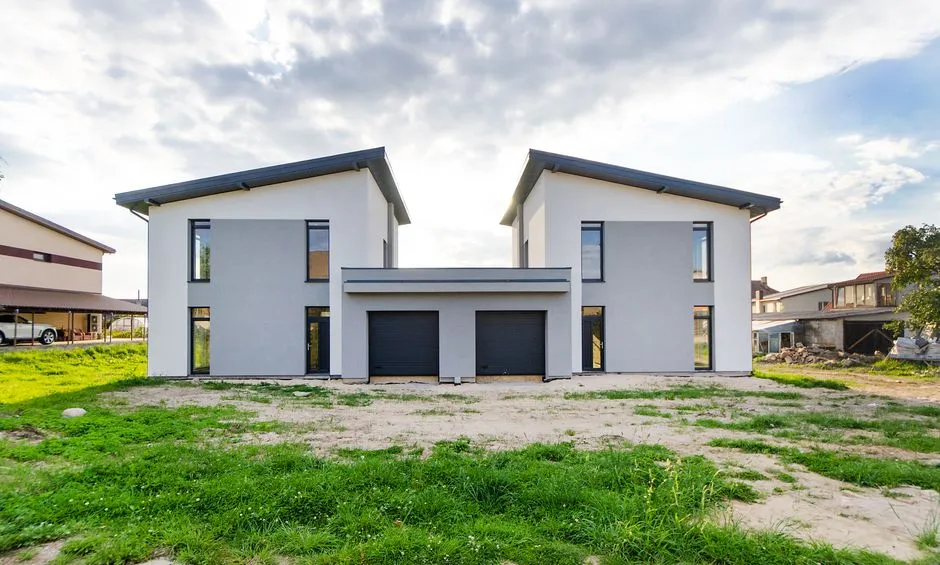
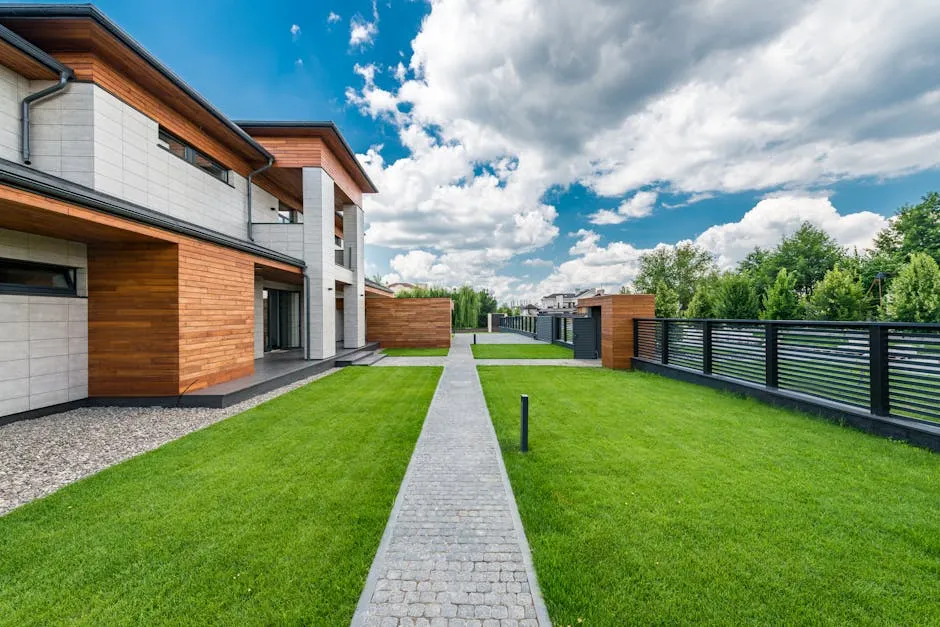
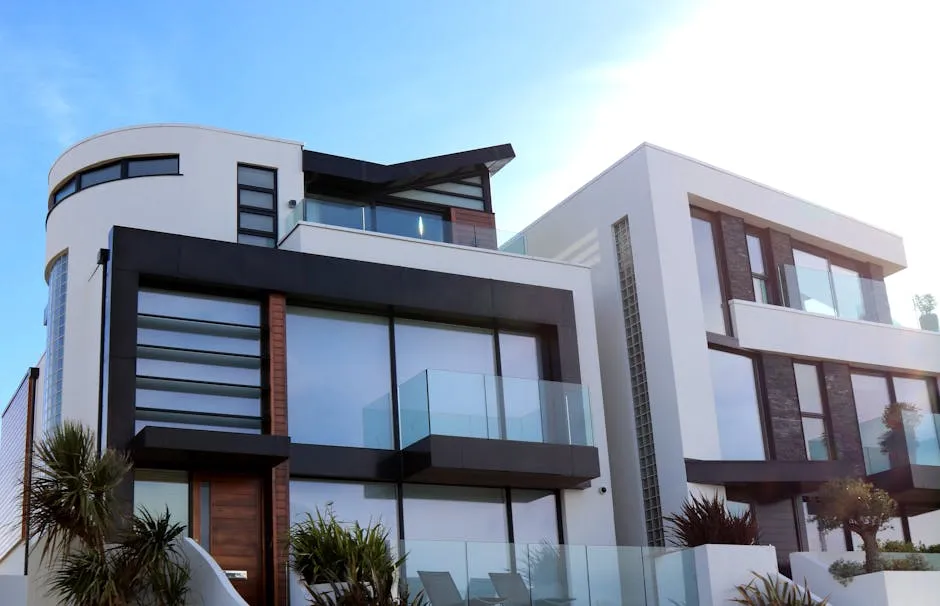
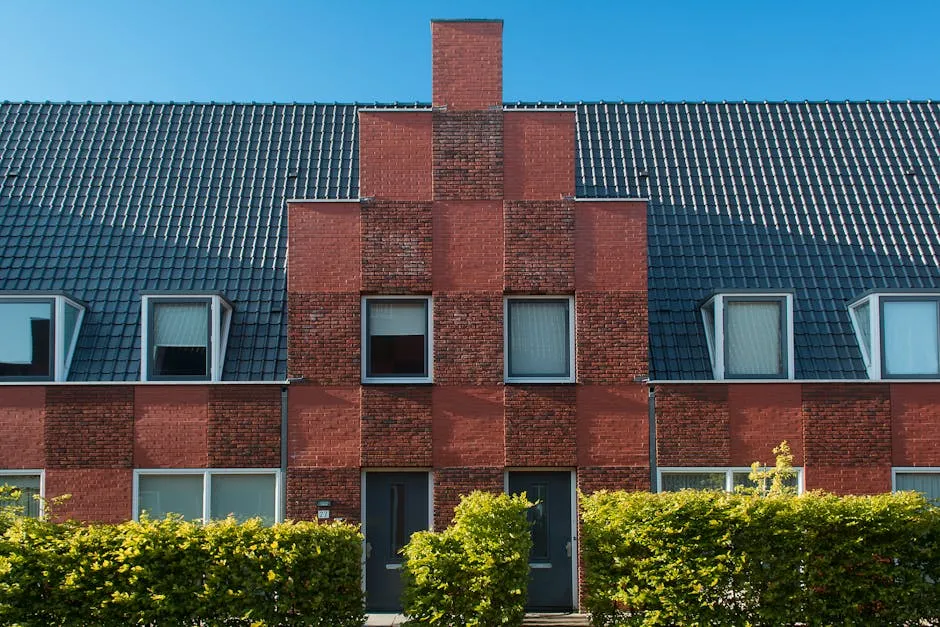
A look at the kind of work and finishes involved — licensed reference photos.
How the work actually works
Outdoor structures fail at the ground and at the house connection — the posts, the footings, and a deck's ledger. Here's how the materials compare and where the install matters.
- 1
Set footings and posts below frost
Deck and fence posts sit on footings dug below the frost line (and to code depth) so they don't heave. Shallow, un-footed posts are the classic failure.
- 2
Connect to the house correctly (decks)
A deck's ledger board must be lag-bolted and flashed to the house framing — not just nailed. A bad ledger is the #1 cause of deck collapses.
- 3
Build the frame and surface
Joists at the proper spacing, then decking or fence panels. Composite needs slightly tighter joist spacing and special fasteners versus wood.
- 4
Rails, gates, and finish
Code-height guardrails with balusters under 4" spacing on raised decks; gates hung to swing true; wood sealed or stained.
Decking & fencing materials
The material sets the price, the upkeep, and the lifespan — and the trade-offs differ for decks and fences.
- Pressure-treated wood
- The cheapest and most available — but it warps, checks, and needs staining or sealing every couple of years. Long-lasting if maintained.
- Composite decking (Trex etc.)
- Wood-fiber-and-plastic boards — no staining, no splinters, 25+ years. Higher upfront, lower upkeep; needs proper joist spacing and hidden fasteners.
- Cedar / hardwood
- Beautiful natural decking or fencing; cedar resists rot, hardwoods like ipe last decades — premium, and still need finishing.
- Vinyl fence
- No painting and won't rot — clean and low-maintenance, but pricier than wood and can crack in hard cold.
- Chain-link
- The cheapest fence for security and pets — functional, not pretty, and offers no privacy.
What rots or fails first
Exterior structures almost always fail at the connections and the ground, not the surface boards.
- The deck ledger
- Where the deck attaches to the house. It must be bolted and flashed; a nailed or unflashed ledger rots the house framing and can pull off — a collapse risk.
- Post footings & frost depth
- Posts on shallow or un-footed bases heave and lean. Footings go below the frost line and to code size.
- Fasteners & flashing
- Use exterior-rated (galvanized or stainless) fasteners and flashing; cheap fasteners rust and streak, and missing flashing rots wood.
- Gutters & drainage
- Gutters and downspouts that route water away protect the foundation and siding — clogged or missing ones cause far bigger problems than they cost.
Red flags of a corner-cut job
- A deck ledger nailed (not bolted) or with no flashing behind it.
- Fence or deck posts set shallow, without footings to frost depth.
- Interior or non-rated fasteners on an outdoor build (they rust out).
- No code guardrail, or baluster spacing over 4", on a raised deck.
- Composite decking installed at wood joist spacing (it'll sag).
Put it in writing
- A bolted, flashed deck ledger — confirmed in the scope.
- Footings below the frost line and to code size for all posts.
- Exterior-rated (galvanized or stainless) fasteners and proper flashing.
- Code-height guardrails with under-4" baluster spacing on raised decks.
- The decking or fence material and its required joist spacing in writing.
Talk like a pro
The terms a contractor uses — so you can follow the conversation and ask the right questions.
- Ledger board
- The board attaching a deck to the house; it must be bolted and flashed.
- Footing / frost line
- The below-grade base for a post, set deep enough that it won't heave.
- Composite decking
- Wood-and-plastic boards that don't need staining.
- Guardrail / baluster spacing
- Code-required railing with gaps under 4" on raised decks.
- Joist spacing / span
- How far apart and how far the frame members run — tighter for composite.
What drives the cost
- Project — a deck or fence build vs. gutter work or pressure washing
- Material — pressure-treated vs. composite decking; wood vs. vinyl vs. chain-link fence
- Footings, posts, and (for decks) the ledger connection to the house
- Size, height, terrain/slope, and demo of the old structure
What it costs to hire
Typical per-unit ranges for exterior services (estimates until local pros publish their rates):
Deck repair — boards / railings | $0–$0 — · often needs assessment |
Window install — new construction | $13–$13 per sq ft (window area) |
Deck install — composite (Trex etc.) | $19–$19 per sq ft |
Fence install — wood privacy (6 ft) | $25–$25 per linear ft |
Siding repair — vinyl (small section) | $189–$189 per repair |
See full prices and pros in Palmdale, Los Angeles.
Permits & safety
Permit and licensing rules vary by city and county. Before you start, check your local building department — and when in doubt, a licensed pro will know what your jurisdiction requires.
Exterior FAQ
What should a exterior quote actually include?
A good quote names the materials, the spec or grade, and the scope of work — not just one lump-sum number. The more a bid leaves vague, the more room there is for surprise costs and cut corners. The checklist above lists exactly what to put in writing for this kind of work.
How much does Exterior work cost?
On FinerNest, Exterior work is priced by the unit rather than as a single bid, so you see the rate up front. The rates above reflect what pros publish; open the city links to see full prices and available pros near you.
How do I find a trustworthy exterior pro?
Look for published rates, reviewable past work, and verified licensing where it applies. FinerNest lists local pros with all three so you can compare on work and price rather than chasing quotes.
Decided to hire it out?
Compare exterior pros with real rates and reviewable work.