
Fireplace: what to know before you hire
The first fireplace decision is fuel — wood, gas, or electric — and it changes everything: the venting, the cost, the heat, and the upkeep. The second is making sure whatever you've got is vented and cleared correctly, because a fireplace is the one feature that can burn the house down.
What fireplace work looks like
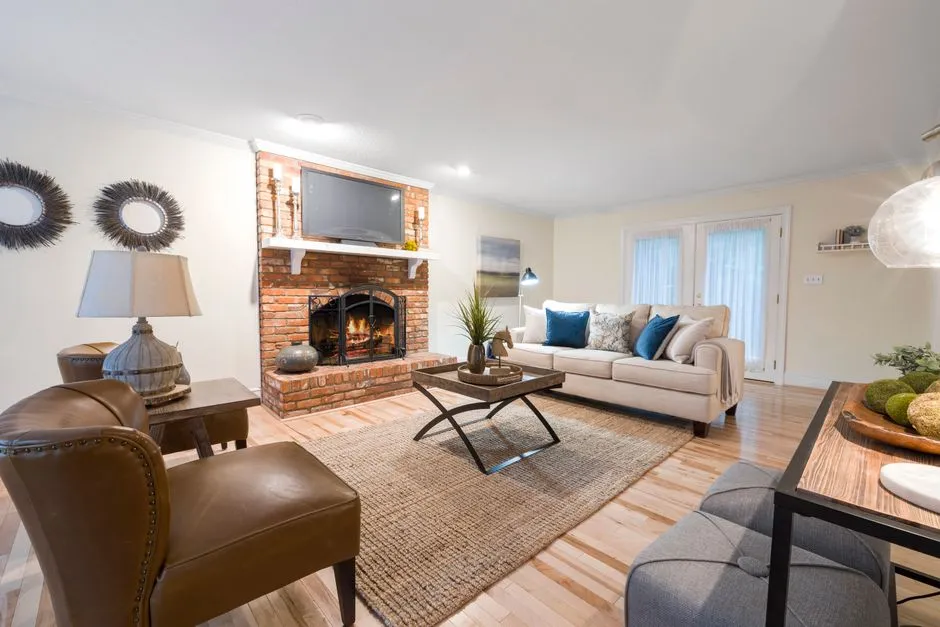
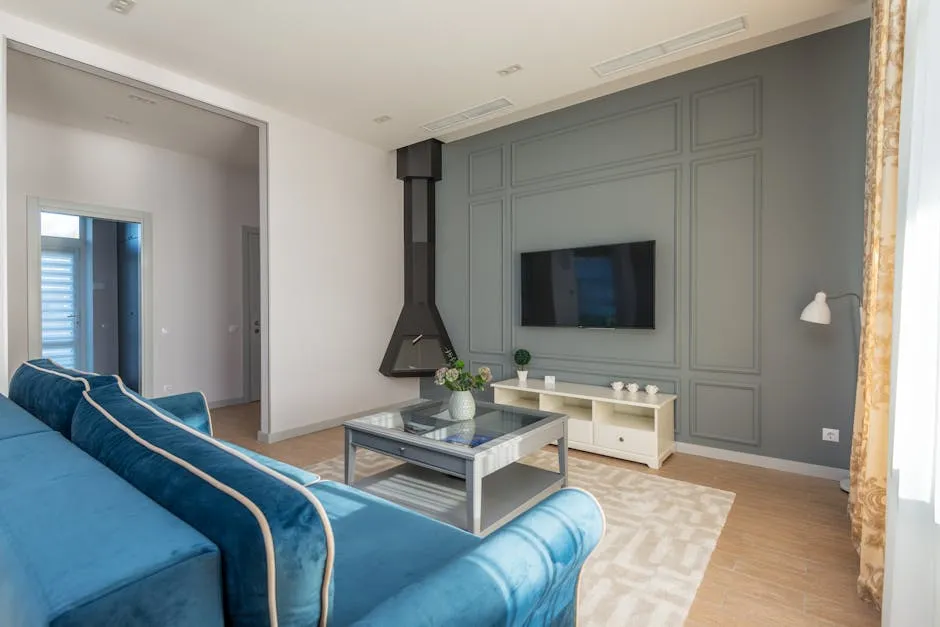
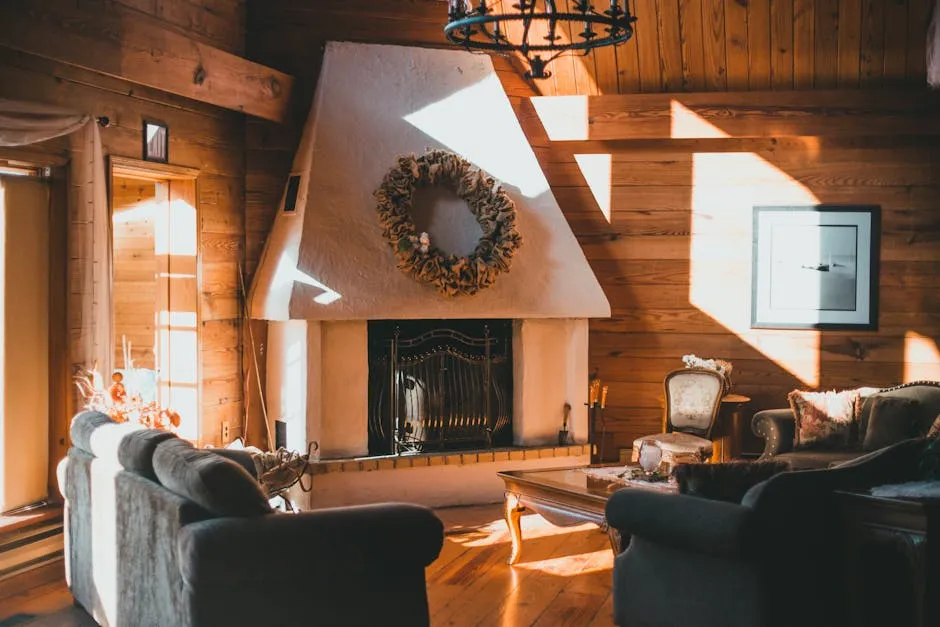
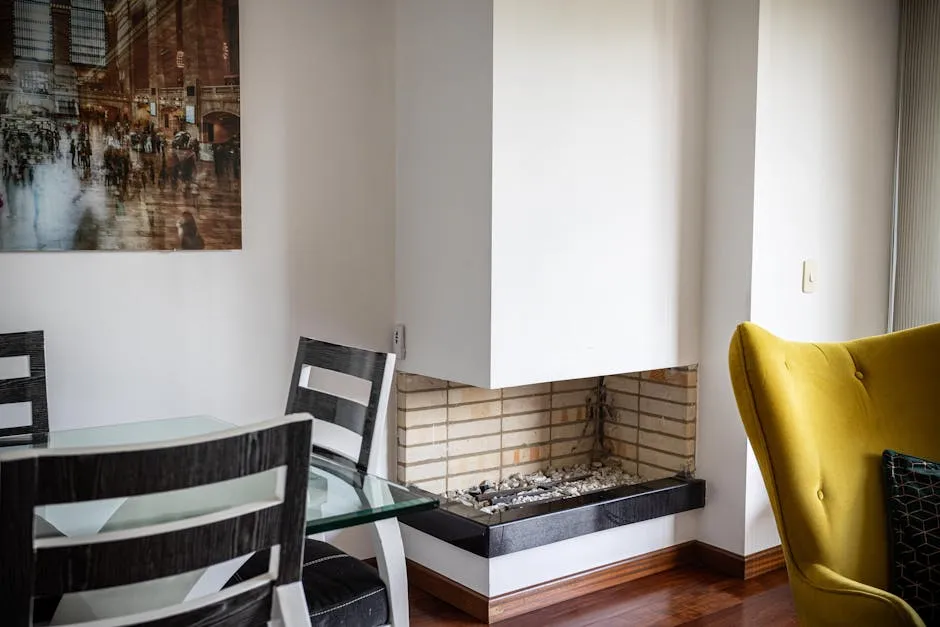
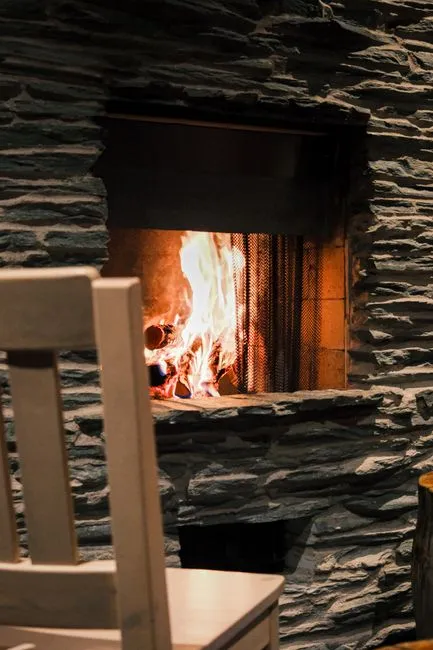
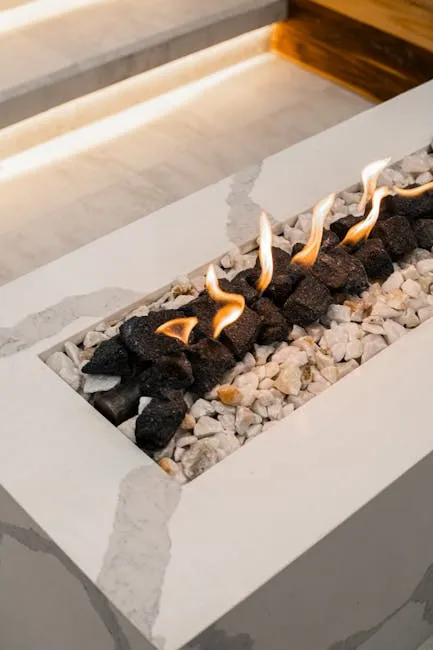
A look at the kind of work and finishes involved — licensed reference photos.
How the work actually works
Pick the fuel, then the venting — those two decide the whole build. Here's how the types differ and the safety details that aren't optional.
- 1
Choose the fuel
Wood, gas, or electric (compared below). It sets the venting, the heat output, and how much upkeep you sign up for.
- 2
Plan the venting
A real chimney/flue for wood; direct-vent (sealed, through a wall or roof) or B-vent for gas; none for electric. Venting is a safety system, not a finishing detail.
- 3
Set clearances to combustibles
The code distances from the firebox and vent to framing, the mantel, and trim. Getting these wrong is the leading cause of fireplace fires.
- 4
Run fuel/power and finish
Gas line or electrical circuit, then the surround, mantel, and hearth built to the required clearances.
Fuel types — wood vs. gas vs. electric
The fuel is the whole decision; it dictates the venting, the heat, the cost, and the maintenance.
- Wood-burning
- Real flame, heat, and ambiance — but it needs a code chimney/flue, regular sweeping (creosote causes chimney fires), and gives the least control. An insert makes an old masonry fireplace far more efficient.
- Gas — direct-vent
- Sealed combustion vented straight out through a wall or roof, drawing air from outside and exhausting outside. Safe, efficient, real flame, low upkeep — the most popular modern choice.
- Gas — ventless (vent-free)
- No flue; it burns clean and dumps all its heat (and some moisture and combustion byproducts) into the room. Cheap and easy, but banned in some areas and not for bedrooms or baths — use with caution and a CO detector.
- Electric
- No flame, no venting, no gas — a heater with an LED flame effect. Cheapest and easiest to install anywhere (just a circuit), but the look is artificial. Great for apartments and spots where venting is impossible.

Inserts & the safety details
Most fireplace work is upgrading an existing one, and the safety items are where corners can't be cut.
- Inserts vs. new firebox
- An insert is a sealed unit (wood or gas) that drops into an existing masonry fireplace to make it efficient. A new build means framing a firebox and venting from scratch.
- Clearances to combustibles
- Code minimum distances from the unit and vent to wood framing, the mantel, and trim. Too-close combustibles are the #1 cause of fireplace fires.
- Chimney liner & sweeping
- Wood and some gas units need a correctly sized, sound flue liner; wood chimneys need regular sweeping to clear creosote buildup.
- CO & the vent-free caveat
- Any combustion appliance needs a carbon-monoxide detector — vent-free units especially, since everything they produce stays in the room.
Red flags of a corner-cut job
- A vent-free unit proposed for a bedroom, bath, or small tight room.
- No mention of clearances to combustibles around the firebox, vent, or mantel.
- A wood or gas unit with no flue plan, or reusing an unlined or cracked flue.
- Gas work without a permit, or no carbon-monoxide detector specified.
- An insert sized or vented wrong for the existing fireplace.
Put it in writing
- The fuel and venting type named, with a real venting plan (flue, direct-vent, or none).
- Code clearances to combustibles for the firebox, vent, mantel, and hearth.
- A correctly sized, sound flue liner for wood/gas, and a chimney inspection on existing ones.
- Permit and inspection for gas, plus a carbon-monoxide detector.
- A right-sized insert matched to the existing firebox if you're retrofitting.
Talk like a pro
The terms a contractor uses — so you can follow the conversation and ask the right questions.
- Direct-vent
- A sealed gas system that takes in and exhausts air through one through-wall or roof terminal — no room air used.
- Ventless (vent-free)
- A gas unit with no flue that exhausts into the room; restricted in some jurisdictions.
- Insert
- A sealed firebox that retrofits into an existing masonry fireplace for efficiency.
- Flue / liner
- The vertical exhaust passage and its protective lining.
- Creosote
- Flammable tar that builds up in wood-burning flues — the cause of chimney fires.
- Clearance to combustibles
- The required gap between the appliance or vent and anything that can burn.
What drives the cost
- Fuel type — electric is cheapest to add, wood the most involved (chimney/venting)
- Venting — vented vs. direct-vent vs. ventless changes the install dramatically
- New build vs. an insert into an existing firebox/chimney
- Surround, mantel, hearth, and gas-line or electrical runs
What it costs to hire
Typical per-unit ranges for fireplace services (estimates until local pros publish their rates):
Fireplace — gas insert install | $524–$524 per unit |
Fireplace — electric insert / unit | $137–$137 per unit |
Fireplace — wood-burning insert | $374–$374 per unit |
Fireplace — linear gas (built-in) | $655–$655 per unit |
Mantel / fireplace surround install | $252–$252 per project |
See full prices and pros in Palmdale, Los Angeles.
Permits & safety
This is safety- and code-sensitive work that often requires a licensed professional and a permit. Rules vary by city and county, so confirm with your local building department before any work begins.
Fireplace FAQ
What should a fireplace quote actually include?
A good quote names the materials, the spec or grade, and the scope of work — not just one lump-sum number. The more a bid leaves vague, the more room there is for surprise costs and cut corners. The checklist above lists exactly what to put in writing for this kind of work.
How much does Fireplace work cost?
On FinerNest, Fireplace work is priced by the unit rather than as a single bid, so you see the rate up front. The rates above reflect what pros publish; open the city links to see full prices and available pros near you.
How do I find a trustworthy fireplace pro?
Look for published rates, reviewable past work, and verified licensing where it applies. FinerNest lists local pros with all three so you can compare on work and price rather than chasing quotes.
Decided to hire it out?
Compare fireplace pros with real rates and reviewable work.