Accessibility: what to know before you hire
Accessibility work — aging-in-place and ADA-style modifications — is about safety, and the details that make it actually safe are usually hidden: a grab bar is only as strong as the blocking behind the wall it's screwed into.
What accessibility work looks like
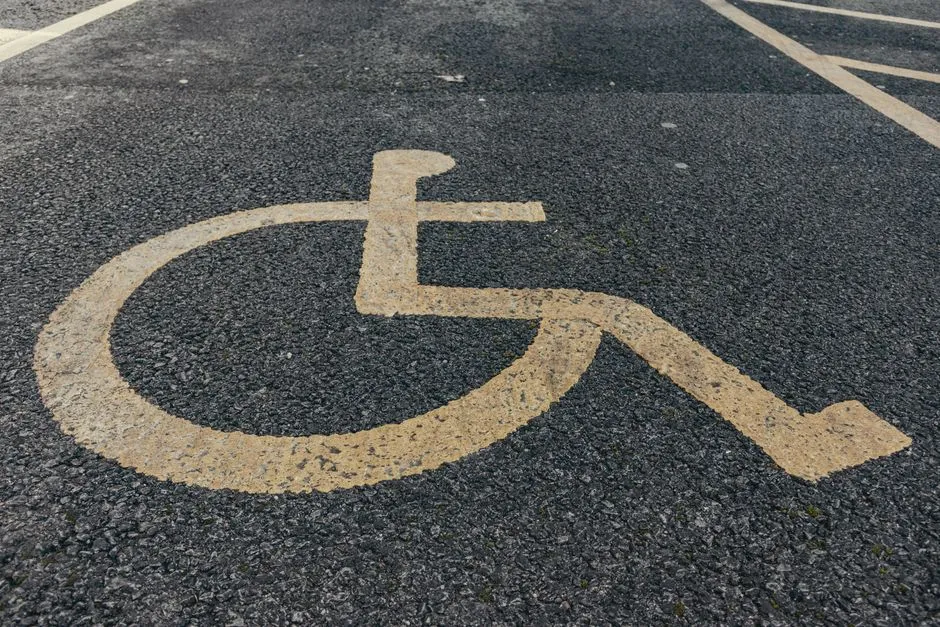
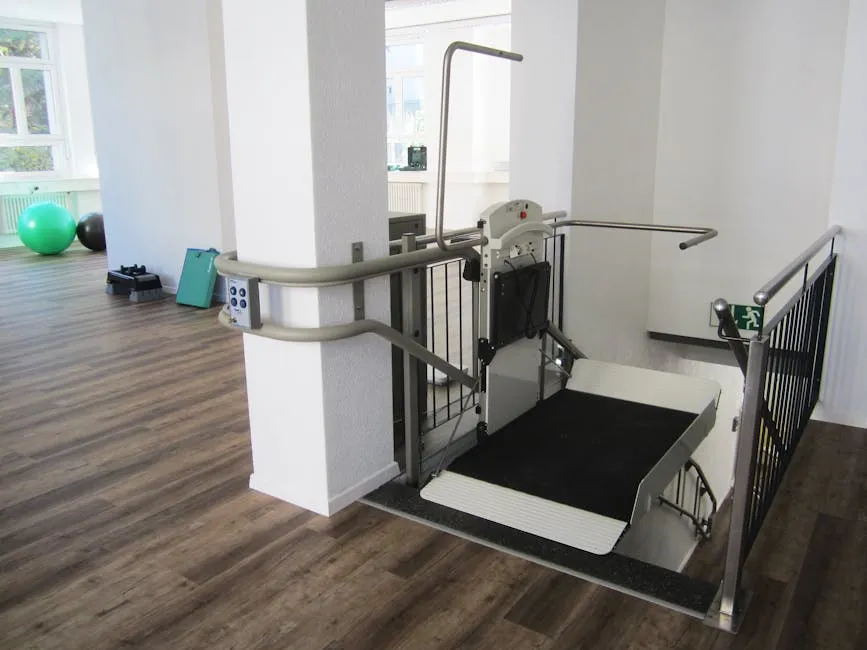
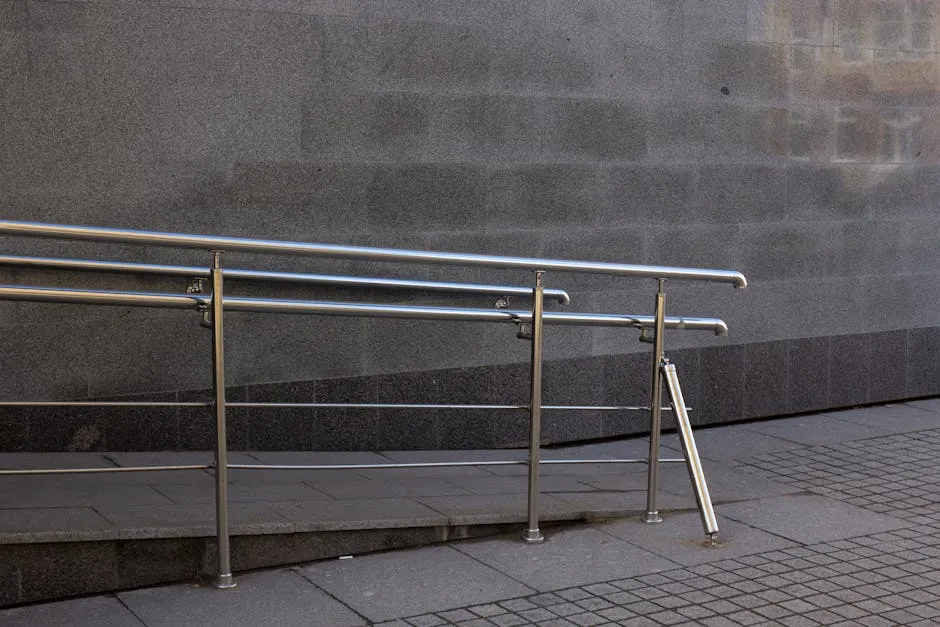
A look at the kind of work and finishes involved — licensed reference photos.
How the work actually works
Accessibility upgrades only help if they hold. Here's what a safe job looks like, starting with the anchoring that makes a grab bar trustworthy.
- 1
Anchor into structure, never drywall alone
A grab bar must screw into wall studs or solid blocking behind the wall — drywall anchors pull out under real weight. If there's no blocking, the wall is opened to add it.
- 2
Place to a useful, code height
Grab bars, seats, and rails go at the heights and locations that actually help (ADA / aging-in-place standards), not just wherever there's a stud.
- 3
Make wet areas safe and reachable
Curbless or low-threshold showers, hand-held shower heads, anti-scald valves, comfort-height toilets, and slip-rated floors.
- 4
Clear the path
Widened doorways (offset hinges add a couple inches cheaply), lever handles, ramps at a safe slope, and removing trip hazards.
Common modifications — and the catch on each
Each upgrade has a 'do it right' detail that's easy to skip and unsafe to skip.
- Grab bars
- Must hit studs or added blocking — the #1 mistake is mounting to drywall anchors. Placement and height matter as much as raw strength.
- Curbless / roll-in shower
- Zero-threshold for walkers and wheelchairs — requires careful floor sloping and excellent waterproofing, since it's effectively a wet room.
- Comfort-height toilet & fixtures
- Taller toilets, lever faucets, and hand-held shower heads — small, high-impact swaps.
- Ramps & thresholds
- A ramp needs a safe, gentle slope (roughly 1:12) and a level landing — too steep is unusable and unsafe.
- Widened doorways
- Swing-clear (offset) hinges add ~2" cheaply; a true widening is framing and drywall work.
The hidden requirement: blocking
The thing that makes accessibility hardware safe is usually invisible — solid backing inside the wall.
- Blocking behind the wall
- Plywood or solid wood added between studs so bars, seats, and rails anchor into structure. Best added during any remodel while walls are open.
- Future-proofing
- If you're already opening a bathroom wall, add blocking everywhere a future grab bar or seat might go — cheap now, costly later.
- Weight rating
- Grab bars and seats should be rated (commonly ~250–500 lb) and installed to actually hit that rating — which depends entirely on the anchoring.
Red flags of a corner-cut job
- A grab bar mounted with drywall anchors instead of into studs or blocking.
- A curbless shower with no real waterproofing or sloping plan.
- A ramp that's too steep to use safely.
- Hardware placed wherever a stud happens to be, not where it's actually useful.
Put it in writing
- Grab bars and seats anchored into studs or added blocking, to a weight rating.
- Blocking added wherever walls are open, for current and future needs.
- A proper slope and a level landing on any ramp.
- Fixture and bar placement to recognized accessibility heights.
Talk like a pro
The terms a contractor uses — so you can follow the conversation and ask the right questions.
- Blocking / backing
- Solid wood added in the wall that hardware anchors into.
- Curbless / roll-in shower
- A zero-threshold shower for walkers and wheelchairs.
- Comfort height
- A taller toilet that's easier to sit down on and stand up from.
- Swing-clear hinge
- An offset hinge that swings the door fully clear of the opening for a couple more inches.
- 1:12 slope
- The standard gentle ramp grade — 1 inch of rise per 12 inches of run.
What drives the cost
- Scope — a grab bar vs. a curbless shower or a ramp vs. a whole-home modification
- Whether walls need blocking added (often the real cost behind a grab bar)
- Structural and waterproofing work for curbless showers and widened doorways
- Code/ADA compliance where it applies
What it costs to hire
Typical per-unit ranges for accessibility services (estimates until local pros publish their rates):
Grab Bar Installation | $23–$23 per unit |
See full prices and pros in Palmdale, Los Angeles.
Permits & safety
Permit and licensing rules vary by city and county. Before you start, check your local building department — and when in doubt, a licensed pro will know what your jurisdiction requires.
Accessibility FAQ
What should a accessibility quote actually include?
A good quote names the materials, the spec or grade, and the scope of work — not just one lump-sum number. The more a bid leaves vague, the more room there is for surprise costs and cut corners. The checklist above lists exactly what to put in writing for this kind of work.
How much does Accessibility work cost?
On FinerNest, Accessibility work is priced by the unit rather than as a single bid, so you see the rate up front. The rates above reflect what pros publish; open the city links to see full prices and available pros near you.
How do I find a trustworthy accessibility pro?
Look for published rates, reviewable past work, and verified licensing where it applies. FinerNest lists local pros with all three so you can compare on work and price rather than chasing quotes.
Decided to hire it out?
Compare accessibility pros with real rates and reviewable work.