
Bathroom: what to know before you hire
A bathroom remodel lives or dies on waterproofing and the order of trades in a small, wet, plumbing-dense room. The shower is the highest-risk part, and the biggest cost lever is whether you move the toilet, tub, or drains.
What bathroom work looks like
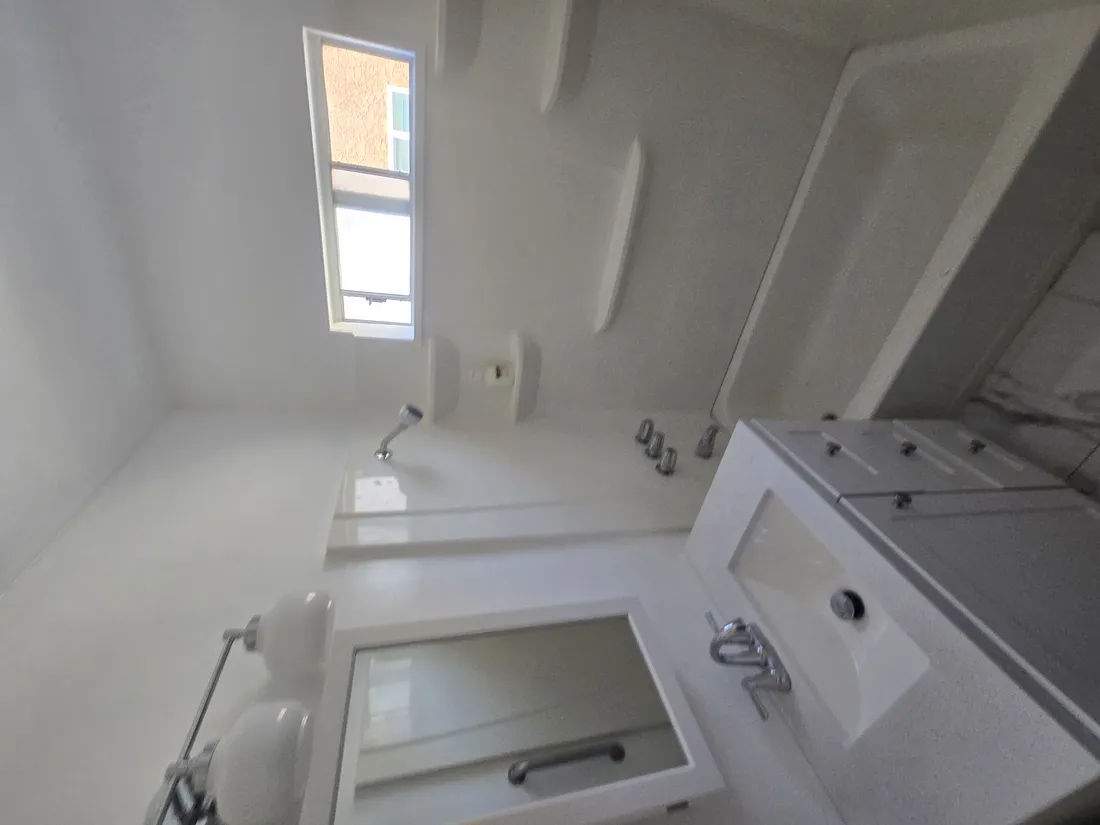
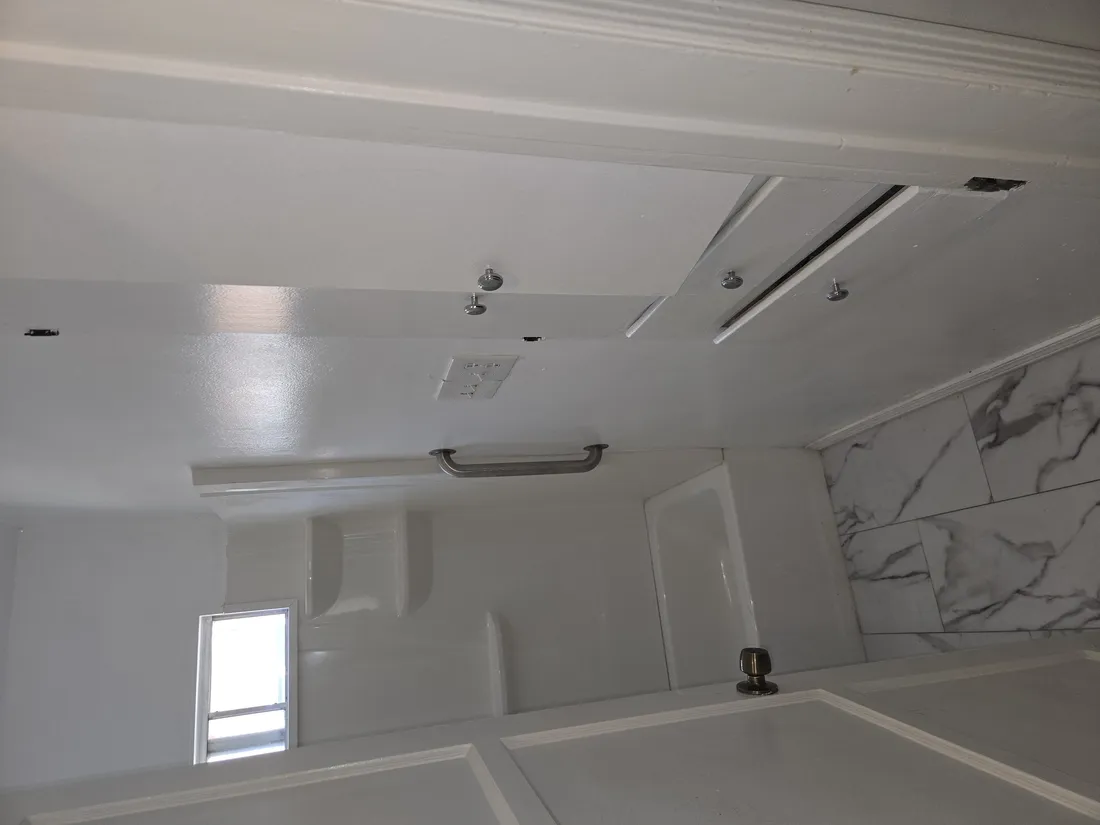
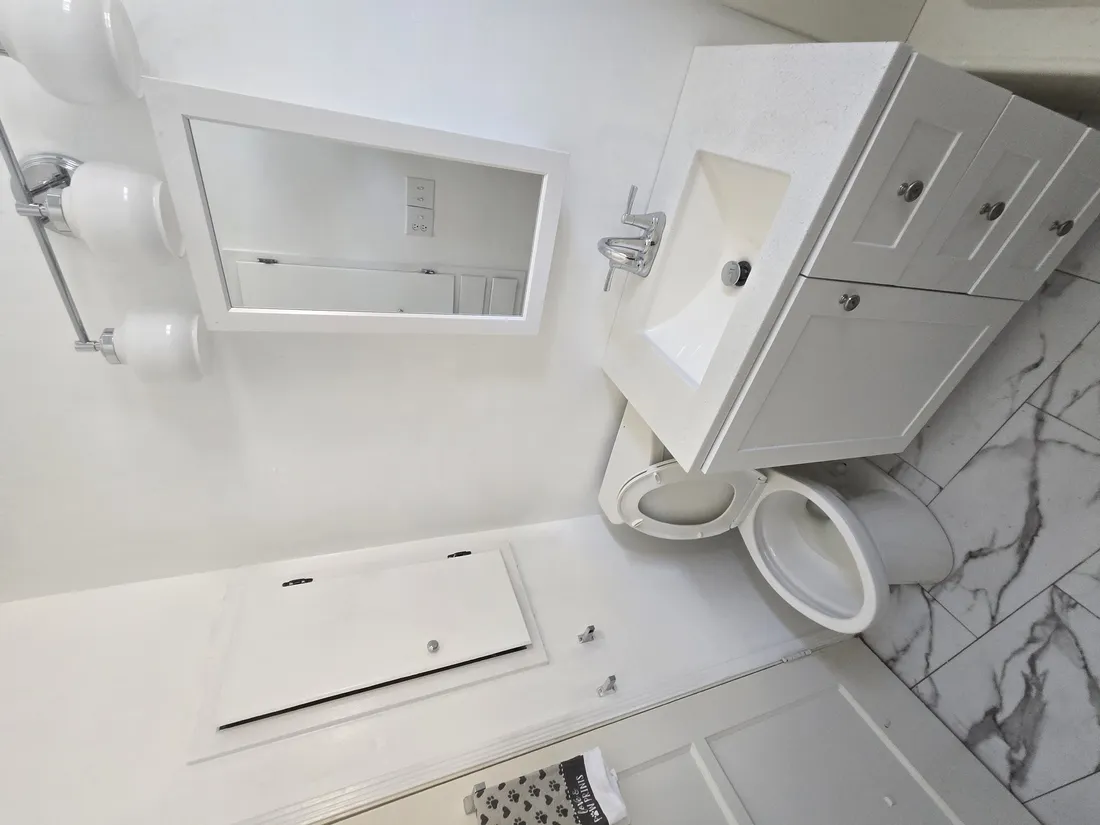
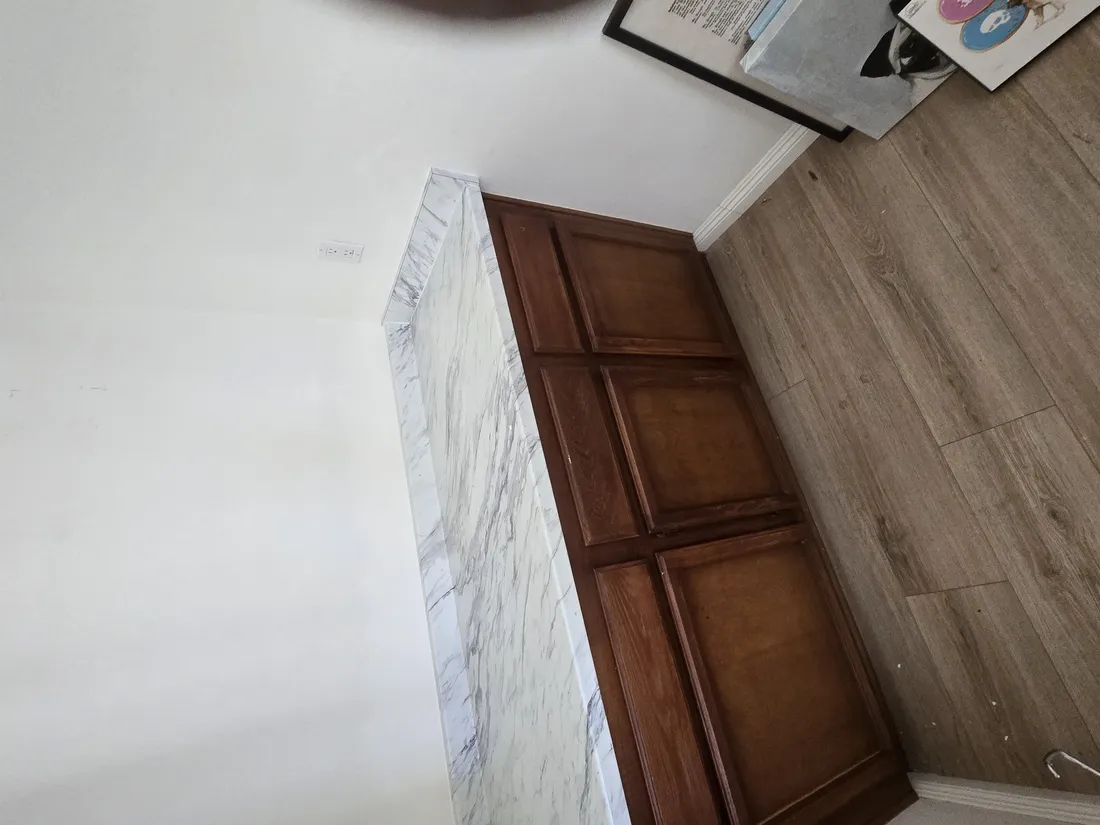
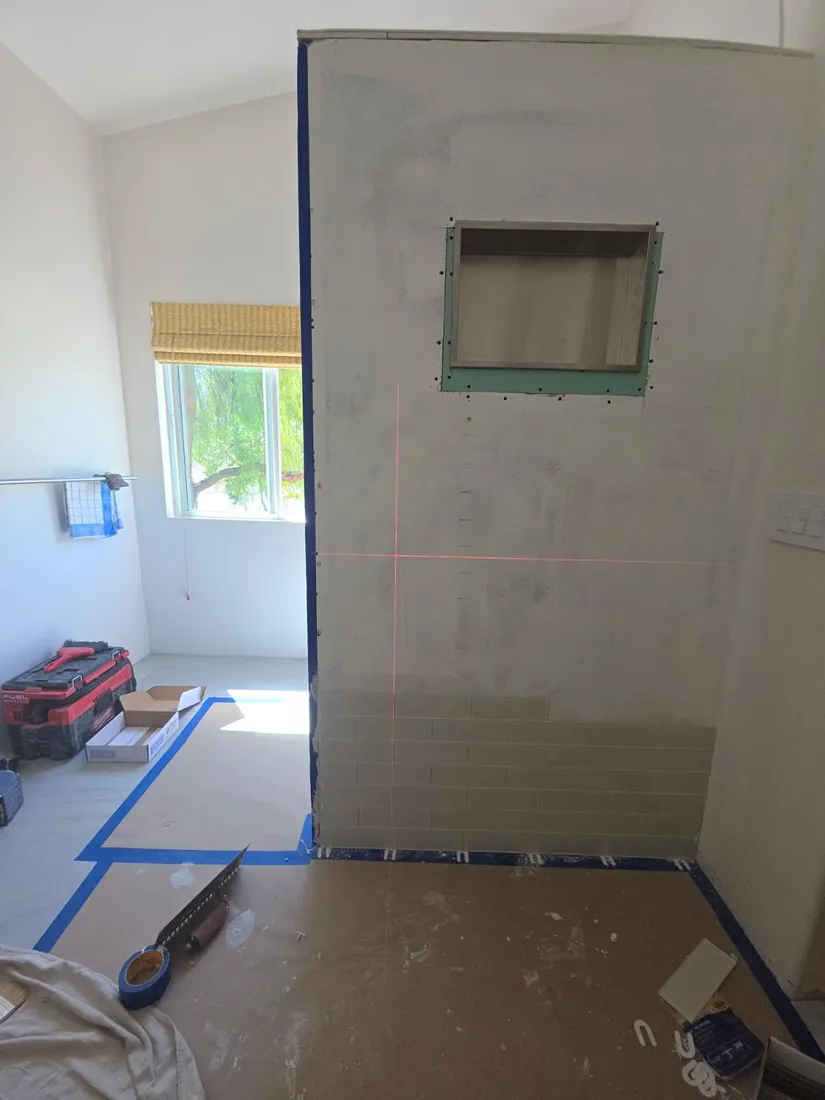
Real jobs from FinerNest pros — not stock photos. Tap a photo to see who did it.
How the work actually works
Everything in a bathroom remodel serves one goal: keep water where it belongs. Here's the sequence and the waterproofing details that can't be skipped.
- 1
Design and decide what moves
Keeping the toilet, tub, and sink in place is far cheaper than relocating drains. Settle the layout and fixtures first.
- 2
Demo and rough plumbing/electrical
Move supply and drain lines, add a GFCI circuit, and put in an exhaust fan vented to the outside (not the attic). Demo often uncovers rot to fix.
- 3
Waterproof the wet areas
A waterproofing membrane or a properly built shower pan goes in BEFORE tile. This is the single most common failure point in the whole house.
- 4
Tile, set fixtures, trim
Tile, then the vanity, toilet, glass, and fixtures, with flexible caulk at every change of plane. An anti-scald valve and wet-rated lighting finish it.
Shower & tub options
The shower/tub choice sets both the look and the risk — tile is custom but leak-prone if done wrong; prefab is foolproof but limited.
- Prefab / acrylic surround
- A molded one- or multi-piece shower or tub surround — fast, watertight out of the box, and low-maintenance, but limited in size and style. No grout to fail.
- Tiled shower
- Fully custom and beautiful — but only as good as the waterproofing behind it. The high-risk, high-reward option (see the Tile guide).
- Tub-to-shower conversion
- Swapping a tub for a walk-in shower — popular, but it means new waterproofing and often moving the drain.
- Curbless / wet room
- A modern, accessible shower with no curb — requires careful floor sloping and a top-notch waterproofing job, since the whole area gets wet.
- Tub type (alcove / freestanding / walk-in)
- Alcove (three walls, cheapest), drop-in, freestanding (a statement, needing floor support and floor-mounted plumbing), or a walk-in tub for accessibility.
Waterproofing & ventilation — the non-negotiables
These are the items that prevent the slow, expensive failures — mold, rot, and leaks into the floor below.
- Shower waterproofing system
- A membrane or a pre-sloped pan under and behind the tile. Tiling over plain drywall or with no pan is the classic shower failure.
- Exhaust fan vented outside
- A properly sized fan ducted to the exterior — not just into the attic, which grows mold. Code in most full baths.
- GFCI and wet-rated fixtures
- Ground-fault protection on bath outlets, and fixtures rated for damp or wet locations.
- Anti-scald valve
- A pressure/temperature-balancing shower valve so a flushed toilet can't scald you — code on new installs.
Where bathroom budgets blow up
The surprises here are usually behind the walls.
- Moving the toilet or drain
- Relocating the toilet flange or a drain means opening the floor — one of the priciest changes.
- Hidden rot and mold
- Old leaks behind tile and around the tub are common and add demo and repair once exposed.
- Custom glass lead time
- Frameless shower glass is measured after the tile is set and then fabricated — budget a wait.
Red flags of a corner-cut job
- Tiling a shower with no waterproofing membrane or pan mentioned.
- An exhaust fan vented into the attic instead of outside (or none at all).
- No anti-scald valve or GFCI on a remodel.
- A fixed bid with no contingency for the rot or mold that demo usually finds.
- Rigid grout (not flexible caulk) at corners and where tile meets the tub.
Put it in writing
- A named shower waterproofing system installed before tile.
- An exhaust fan, correctly sized and vented to the exterior.
- GFCI protection and an anti-scald shower valve.
- A demo contingency for hidden water damage, agreed up front.
- Layout and fixtures locked before demo to avoid moving drains.
Talk like a pro
The terms a contractor uses — so you can follow the conversation and ask the right questions.
- Shower pan / pre-slope
- The sloped, waterproof base under a tiled shower that carries water to the drain.
- Curbless
- A zero-threshold shower — modern and accessible, but waterproofing-critical.
- Anti-scald (pressure-balancing) valve
- A shower valve that prevents sudden temperature spikes.
- GFCI
- An outlet or breaker that cuts power on a ground fault — required near water.
- Exhaust CFM
- The fan's airflow rating, sized to the room to clear moisture.
- Alcove vs. freestanding tub
- A tub in a three-wall nook vs. a standalone tub needing floor-mounted plumbing and support.
What drives the cost
- Scope — a fixture swap vs. a tub-to-shower conversion vs. a full gut
- Moving plumbing (relocating the toilet, tub, or drain) vs. keeping fixtures in place
- A tiled shower vs. a prefab surround, plus the vanity, glass, and fixtures
- Hidden rot or mold found at demo (common in old wet rooms)
What it costs to hire
Typical per-unit ranges for bathroom services (estimates until local pros publish their rates):
Medicine cabinet install | $63–$63 per unit |
Shower valve replace — cartridge | $104–$104 per fixture |
Shower valve replace — full body | $208–$208 per fixture |
Tub install — drop-in / alcove (replace) | $347–$347 per tub |
Tub-to-shower conversion | $1,500–$3,500 per project · often needs assessment |
See full prices and pros in Palmdale, Los Angeles.
Permits & safety
Permit and licensing rules vary by city and county. Before you start, check your local building department — and when in doubt, a licensed pro will know what your jurisdiction requires.
Bathroom FAQ
What should a bathroom quote actually include?
A good quote names the materials, the spec or grade, and the scope of work — not just one lump-sum number. The more a bid leaves vague, the more room there is for surprise costs and cut corners. The checklist above lists exactly what to put in writing for this kind of work.
How much does Bathroom work cost?
On FinerNest, Bathroom work is priced by the unit rather than as a single bid, so you see the rate up front. The rates above reflect what pros publish; open the city links to see full prices and available pros near you.
How do I find a trustworthy bathroom pro?
Look for published rates, reviewable past work, and verified licensing where it applies. FinerNest lists local pros with all three so you can compare on work and price rather than chasing quotes.
Decided to hire it out?
Compare bathroom pros with real rates and reviewable work.