
Appliances: what to know before you hire
Appliance installation looks like plug-and-play, but the hookups are where it goes wrong: a gas line, a water line, a dryer vent, or an anti-tip bracket done carelessly is a leak, a fire, or a tip-over waiting to happen.
What appliance work looks like
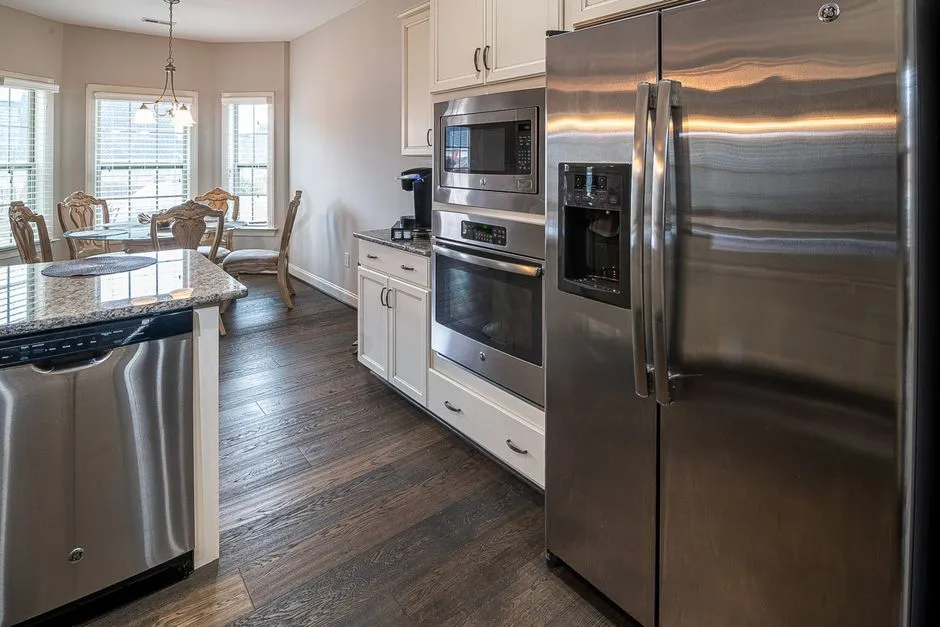
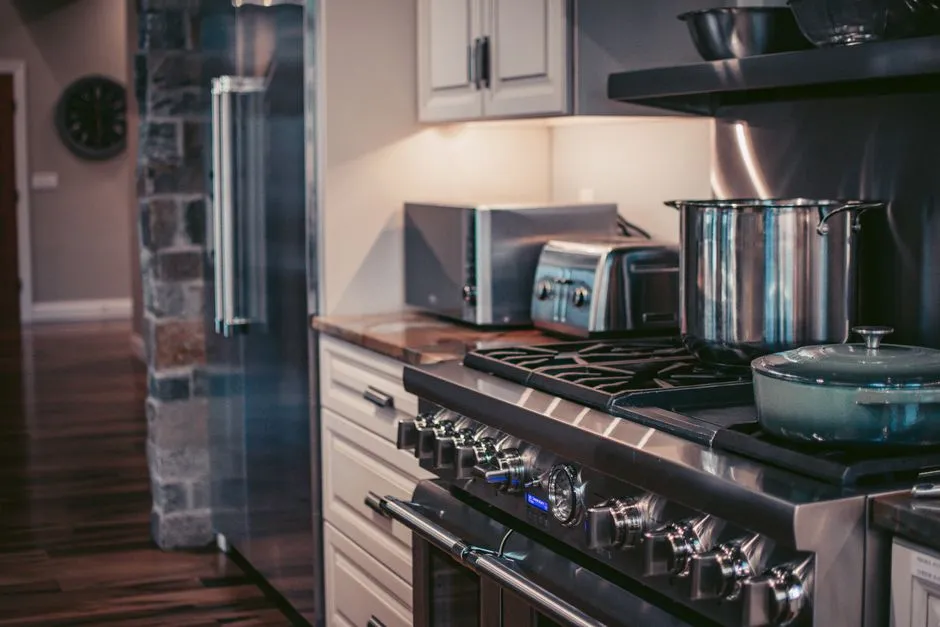
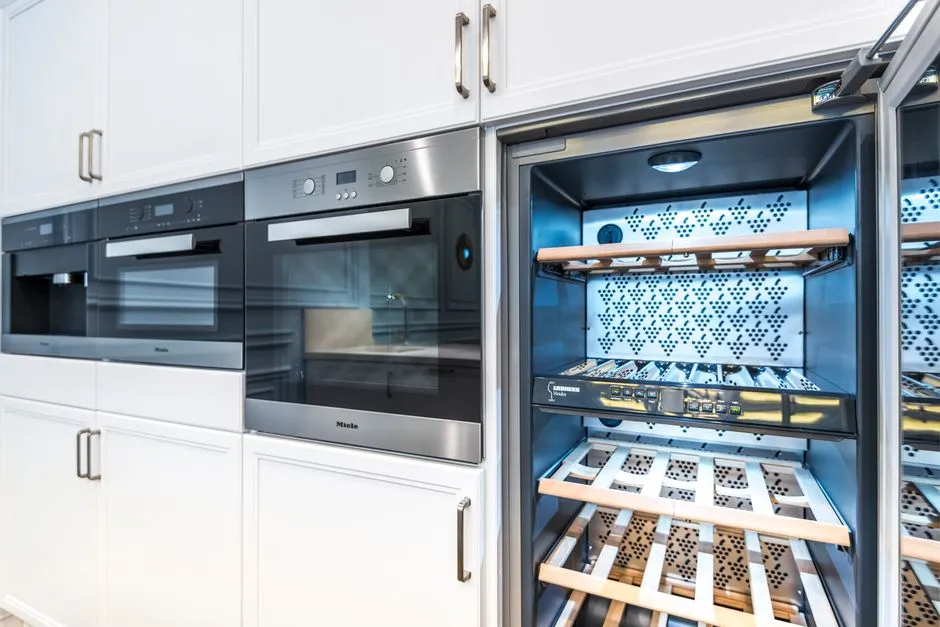
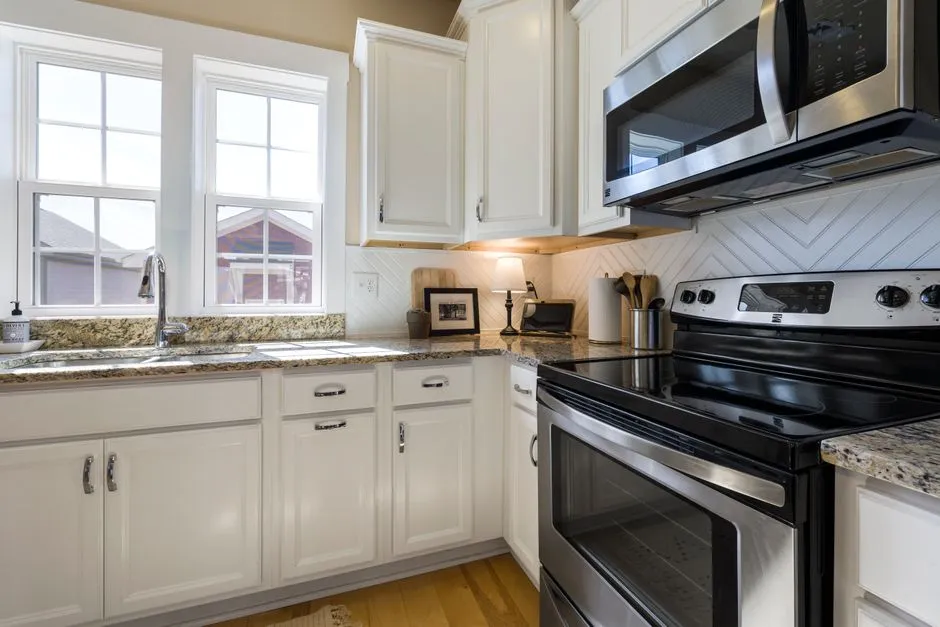
A look at the kind of work and finishes involved — licensed reference photos.
How the work actually works
The appliance is the easy part — the connection is where safety lives. Here's what a correct hookup includes for each type.
- 1
Confirm fit and the utility
Measure the opening and the doorways, and confirm the right hookup exists: a gas line and shutoff, a water line, a 240V circuit, or a vent. Adding any of these is the real work.
- 2
Connect to code with a shutoff
Gas with a flexible connector and a shutoff valve, leak-tested; water with a proper valve and braided line; electric on the correct circuit. Hardwired vs. cord-and-plug depends on the appliance and code.
- 3
Vent and secure
Dryers get a short, smooth, rigid vent run to the outside (lint is a fire hazard); ranges get an anti-tip bracket; the appliance is leveled.
- 4
Test and haul the old one
Run it, check for leaks and proper drainage, and remove the old appliance.
Hookup types — and the safety catch on each
What 'install' includes — and the thing that's dangerous to skip — depends entirely on the connection.
- Plug-in (fridge, microwave)
- The simplest — but a fridge ice-maker/water line needs a proper valve and braided line to avoid a slow leak, and a built-in needs exact clearances.
- Gas (range, cooktop, dryer)
- A flexible gas connector and a shutoff valve, leak-tested. Gas is the one to never wing — a permit and a leak check are non-negotiable.
- Water (dishwasher, washer, ice maker)
- A dedicated shutoff and braided steel lines, plus a proper air gap or high loop on a dishwasher drain so wastewater can't back-siphon.
- Dryer vent
- A short, smooth, rigid metal duct to the outside — never the flexible foil kind buried in a wall. Lint buildup in a bad vent is a leading house-fire cause.
- Hardwired / 240V (range, oven, dryer)
- Big appliances often need a dedicated 240V circuit; cord-and-plug vs. hardwired, and the right breaker, matter.
The safety items people skip
These small details are the difference between a clean install and a hazard.
- Anti-tip bracket (ranges)
- A bracket that keeps a range from tipping when weight is on an open door — code, and routinely skipped on quick installs.
- Dryer vent length and material
- Long, kinked, or foil vents trap lint and overheat. Keep it short, rigid, and terminated outside.
- Gas leak test
- Every gas connection should be soap-tested or metered for leaks before it's used.
- Dishwasher air gap / high loop
- Prevents dirty sink water from siphoning back into the dishwasher.
Red flags of a corner-cut job
- Gas appliance hookups with no leak test or no shutoff valve.
- A flexible foil dryer vent, or a long kinked run hidden in the wall.
- A range installed with no anti-tip bracket.
- A dishwasher drain with no air gap or high loop.
- An undersized circuit, or the wrong cord/breaker, on a 240V appliance.
Put it in writing
- A shutoff valve and a leak test on every gas connection.
- A short, rigid, outside-vented dryer duct.
- The anti-tip bracket installed on ranges.
- Braided water lines, a shutoff, and a dishwasher air gap or high loop.
- Haul-away of the old appliance included.
Talk like a pro
The terms a contractor uses — so you can follow the conversation and ask the right questions.
- Shutoff valve
- A local valve to isolate the appliance's gas or water without killing the whole house.
- Anti-tip bracket
- A floor or wall bracket that stops a range from tipping forward.
- Dryer vent (rigid vs. foil)
- Smooth rigid duct (safe) vs. flexible foil (a lint trap and fire risk).
- 240V circuit
- The high-voltage dedicated circuit big appliances need.
- Air gap / high loop
- A dishwasher drain detail that prevents wastewater back-siphoning.
What drives the cost
- Connection type — a simple plug-in vs. gas, water, or hardwired
- Whether the hookup already exists or must be run (gas line, water line, 240V circuit, vent)
- Fit and clearances (counter-depth, cutouts, doorways)
- Haul-away of the old appliance
What it costs to hire
Typical per-unit ranges for appliances services (estimates until local pros publish their rates):
Dryer Vent Installation | $28–$28 per unit |
Trash Compactor Installation | $70–$70 per unit |
Microwave Oven Installation | $103–$103 per unit |
Electric Cooktop Installation | $172–$172 per unit |
Gas Cooktop Installation | $174–$174 per unit |
See full prices and pros in Palmdale, Los Angeles.
Permits & safety
Permit and licensing rules vary by city and county. Before you start, check your local building department — and when in doubt, a licensed pro will know what your jurisdiction requires.
Appliances FAQ
What should a appliances quote actually include?
A good quote names the materials, the spec or grade, and the scope of work — not just one lump-sum number. The more a bid leaves vague, the more room there is for surprise costs and cut corners. The checklist above lists exactly what to put in writing for this kind of work.
How much does Appliances work cost?
On FinerNest, Appliances work is priced by the unit rather than as a single bid, so you see the rate up front. The rates above reflect what pros publish; open the city links to see full prices and available pros near you.
How do I find a trustworthy appliances pro?
Look for published rates, reviewable past work, and verified licensing where it applies. FinerNest lists local pros with all three so you can compare on work and price rather than chasing quotes.
Decided to hire it out?
Compare appliances pros with real rates and reviewable work.