
Electrical: what to know before you hire
Electrical mistakes don't show up as bad looks — they show up as fires and shocks years later. The work is largely hidden inside walls and panels, which is exactly why licensing, permits, and inspection matter more here than in any other trade.
What electrical work looks like
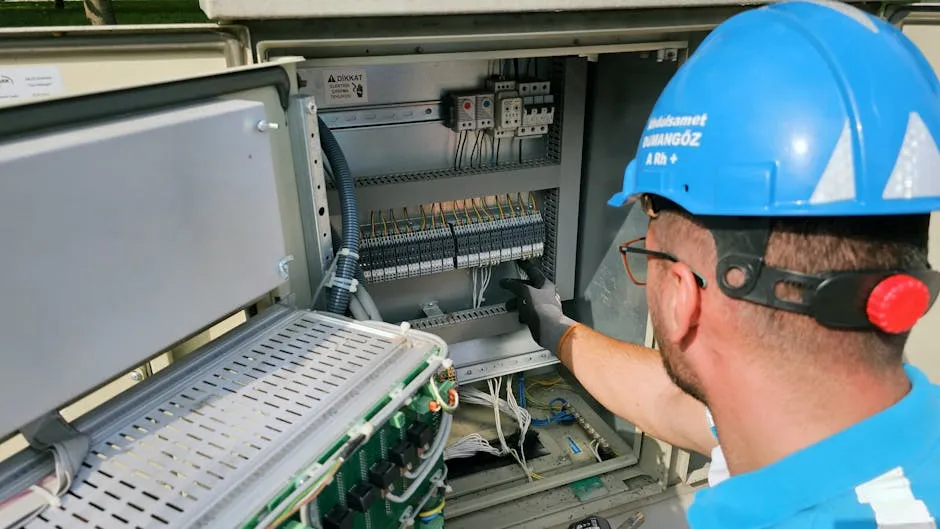
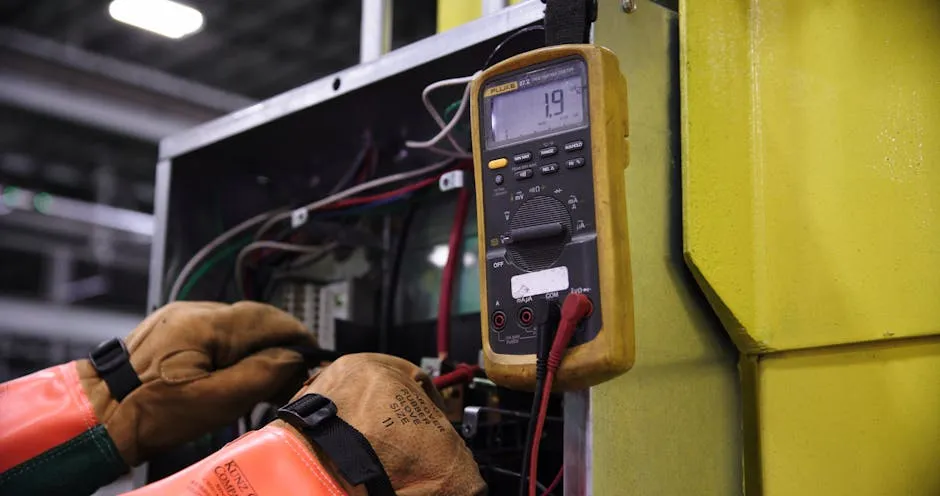
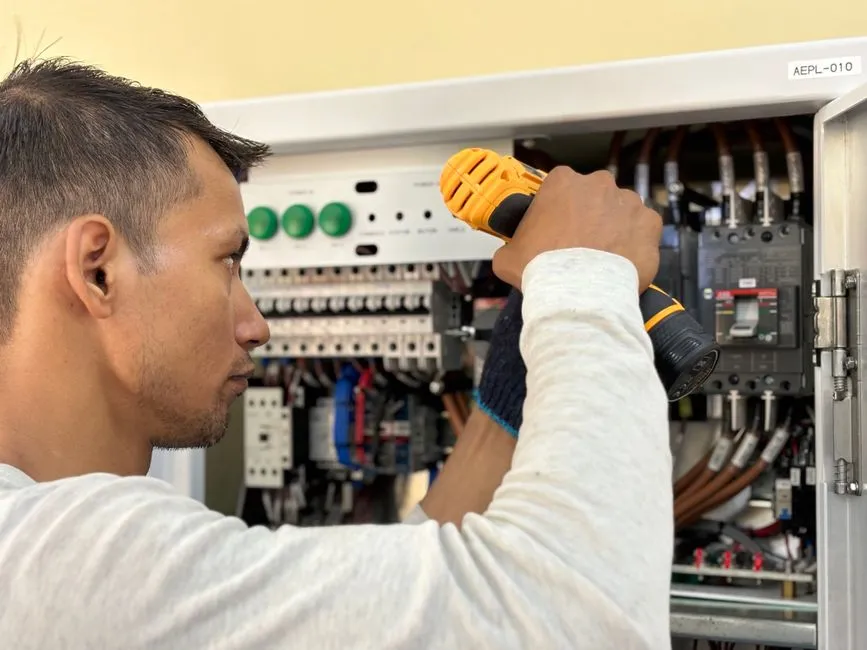
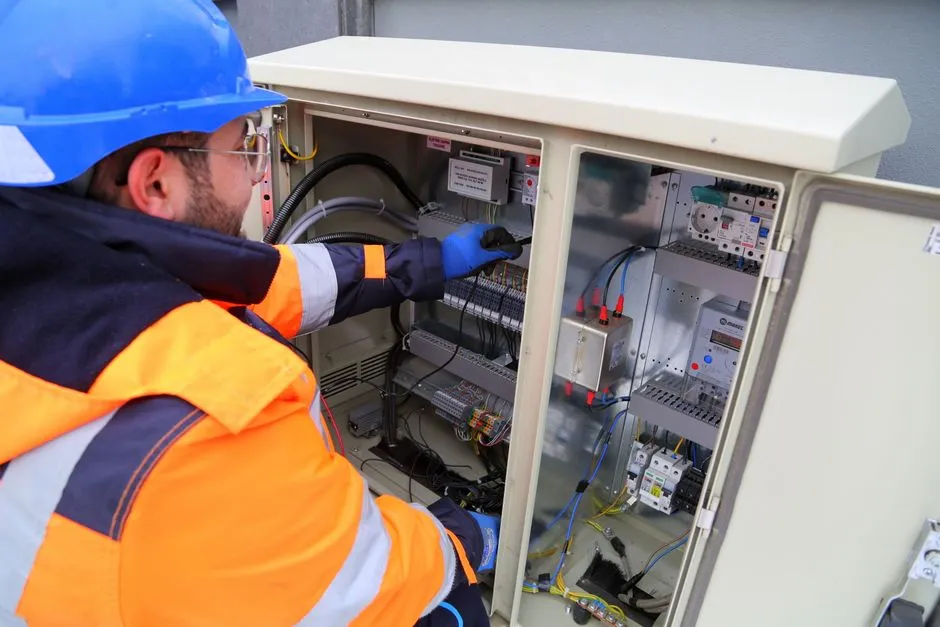
A look at the kind of work and finishes involved — licensed reference photos.
How the work actually works
You can't judge electrical work by how the cover plate looks. Here's what's actually happening behind it and the safety devices that have to be present.
- 1
Plan the load & circuits
A pro sizes the work to your panel's capacity. Big new loads (EV charger, range, A/C) may need a dedicated circuit or even a panel upgrade — not just a new outlet on an existing one.
- 2
Run wire & set boxes
Cable is sized to the breaker (14-gauge for 15A, 12-gauge for 20A — under-sizing is a fire hazard) and run to code-compliant boxes that aren't overstuffed.
- 3
Make the connections
Devices, splices, and grounding done to code, with the right breaker where required — GFCI near water, AFCI in living areas.
- 4
Permit & inspection
Most non-trivial work is permitted and inspected. The inspection is a free second set of expert eyes on safety — skipping the permit forfeits that and can stall a future home sale.
The safety devices that have to be right
Modern code requires specific protective devices in specific places. Their absence is both a code violation and a real hazard.
- GFCI
- Trips on ground faults to prevent shock — required at kitchens, baths, garages, outdoors, anywhere near water.
- AFCI
- Detects arcing that starts fires — required on most living-area circuits under newer code.
- Grounding & bonding
- The safety path that lets a breaker trip on a fault. Ungrounded ('two-prong') and falsely-grounded outlets are common, dangerous shortcuts.
Red flags of a corner-cut job
- A quote to add circuits or touch the panel with no permit.
- No GFCI/AFCI where code requires them.
- 'Backstabbed' outlets and many devices daisy-chained on one circuit.
- Refusing to pull a permit because 'it's faster' or 'inspectors are a hassle.'
- No license number, or unwillingness to put it on the contract.
Put it in writing
- License number on the contract, and a pulled permit for anything beyond a like-for-like swap.
- GFCI/AFCI protection wherever current code requires it.
- Wire gauge matched to every breaker, in writing.
- Inspection sign-off before walls close and again at completion.
- A panel-capacity check before adding any large load.
Talk like a pro
The terms a contractor uses — so you can follow the conversation and ask the right questions.
- Circuit / dedicated circuit
- A wire run protected by one breaker; a 'dedicated' circuit serves a single big appliance.
- Breaker / panel (load center)
- The breaker protects the wire; the panel is the box of breakers, rated for a total amperage (100A, 200A…).
- Gauge
- Wire thickness — must match the breaker. Thinner wire on a bigger breaker means overheating.
- Knob-and-tube / aluminum wiring
- Older wiring types insurers and lenders flag; safe-ish if intact, but risky to extend.
- Rough-in / final
- Inspections at the open-wall stage and again when the work is finished.
What drives the cost
- Whether the job adds a circuit or only modifies an existing one
- Panel capacity and the age/condition of existing wiring
- Access — finished walls and ceilings add labor to fish wire
- Permit and inspection requirements for the scope of work
What it costs to hire
Typical per-unit ranges for electrical services (estimates until local pros publish their rates):
Smoke / CO detector — battery (replace existing) | $34–$34 per unit |
Recessed light replace (retrofit) | $52–$52 per can |
Ceiling fan install (existing fixture) | $103–$103 per unit |
Light fixture install (new location) | $172–$172 per fixture |
Electrical panel upgrade | $687–$687 per panel |
See full prices and pros in Palmdale, Los Angeles.
Permits & safety
This is safety- and code-sensitive work that often requires a licensed professional and a permit. Rules vary by city and county, so confirm with your local building department before any work begins.
Electrical FAQ
What should a electrical quote actually include?
A good quote names the materials, the spec or grade, and the scope of work — not just one lump-sum number. The more a bid leaves vague, the more room there is for surprise costs and cut corners. The checklist above lists exactly what to put in writing for this kind of work.
How much does Electrical work cost?
On FinerNest, Electrical work is priced by the unit rather than as a single bid, so you see the rate up front. The rates above reflect what pros publish; open the city links to see full prices and available pros near you.
How do I find a trustworthy electrical pro?
Look for published rates, reviewable past work, and verified licensing where it applies. FinerNest lists local pros with all three so you can compare on work and price rather than chasing quotes.
Decided to hire it out?
Compare electrical pros with real rates and reviewable work.