
Window Treatments: what to know before you hire
Window treatments look simple until you measure — the difference between a crisp, custom look and a sloppy one is the mount type, the fit, and the right product for the window. Here's how to choose and how to spec it so it actually fits.
What window-treatment work looks like
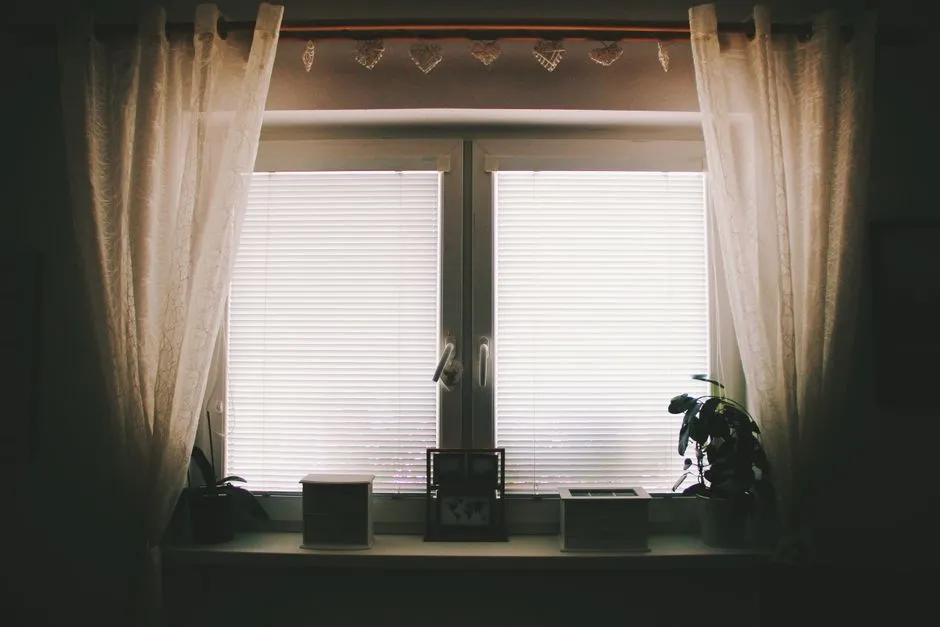
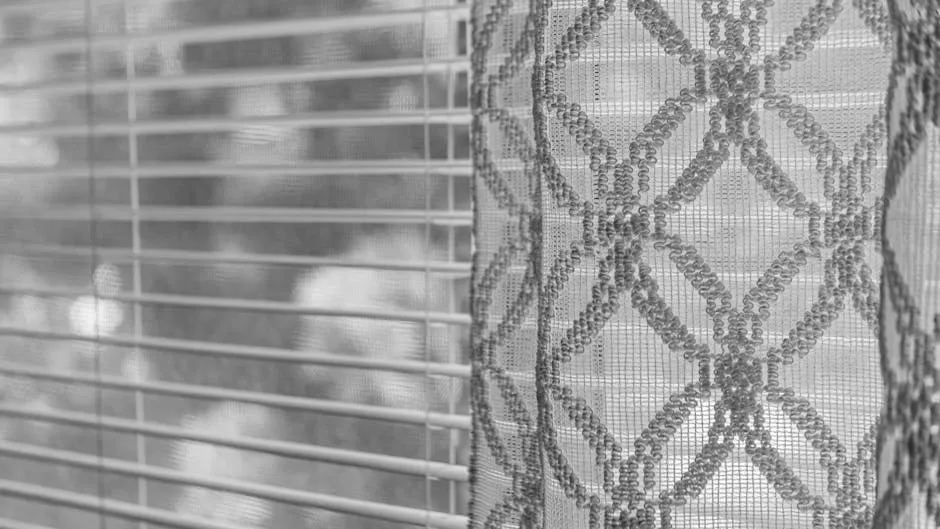
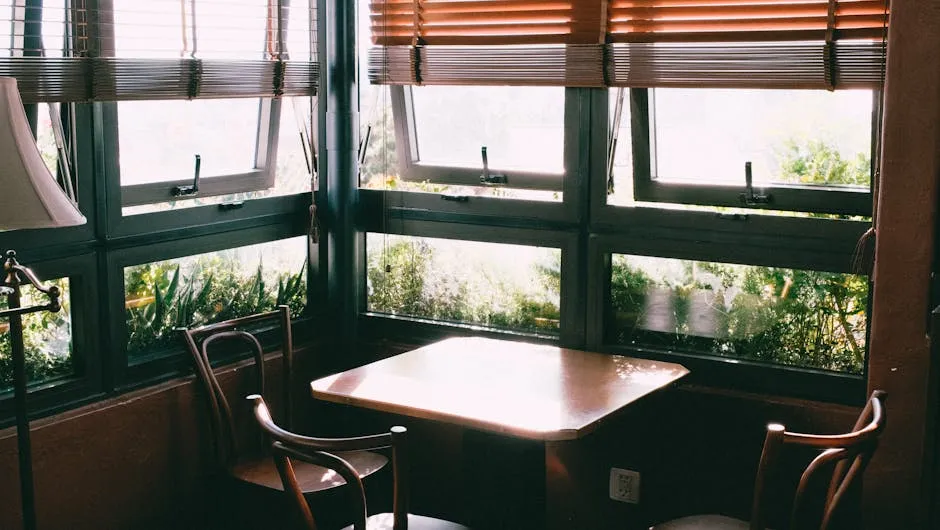
A look at the kind of work and finishes involved — licensed reference photos.
How the work actually works
Two things make window treatments look custom: the right product for the window and an accurate measurement. Here's how the types compare and the measuring rules that make or break the fit.
- 1
Pick the function first
Privacy, light control (blackout vs. light-filtering), insulation, or pure looks. That narrows the product before you shop.
- 2
Choose inside vs. outside mount
Inside mount sits in the window recess for a clean built-in look (needs enough depth and a square opening); outside mount covers the whole opening to block light gaps or hide an out-of-square window.
- 3
Measure precisely
Inside mount: measure the opening width at three heights and take the smallest. Outside mount: add overlap on each side and the top. A fraction off shows.
- 4
Mount level and add hardware
Brackets anchored into the frame or studs (not just drywall), treatments hung dead level, and any motorization wired or charged.
Window treatment types
Match the type to how the room is used — privacy, light, insulation, or looks.
- Blinds (horizontal / vertical)
- Hard slats (wood, faux-wood, aluminum) that tilt for light control. Affordable and adjustable, but the slats collect dust and let light through at the edges.
- Shades (roller, cellular, Roman)
- Soft fabric that raises and lowers. Cellular (honeycomb) shades insulate best; roller and Roman read clean and modern. Choose blackout vs. light-filtering fabric.
- Shutters (plantation)
- Hinged louvered panels mounted to the window — the most built-in, premium, durable look, and the priciest. They add real resale value.
- Drapery / curtains
- Fabric panels on a rod or track — best for softness, insulation, and covering large or odd windows. Often paired with blinds or shades for light control.
Measuring & mounting — where it goes wrong
Most window-treatment regret is a fit problem, not a product problem.
- Inside vs. outside mount
- Inside looks built-in but needs adequate recess depth and a square opening; outside hides flaws and blocks light gaps. Decide which before you measure.
- Measure at three points
- Windows are rarely perfectly square — measure width and height in three spots and use the smallest (inside mount) or add overlap (outside mount).
- Light gaps
- Inside-mount blinds and shades leak light at the edges; for true blackout (bedrooms, nurseries) use an outside mount or side channels.
- Anchor into something solid
- Brackets must hit the window frame or studs, not just drywall, or heavy shutters and drapery pull right out.
Red flags of a corner-cut job
- Ordering custom treatments off a single measurement, or without confirming inside-mount depth.
- Expecting true blackout from an inside-mount shade (the edge light gaps will frustrate you).
- Brackets anchored only to drywall for heavy shutters or drapery.
- Motorized shades with no plan for power or charging.
Put it in writing
- The mount type decided first, and measurements taken at three points per window.
- The right fabric and opacity for the room (blackout where you need it).
- Brackets anchored into solid framing.
- For custom orders, a measure-and-fit guarantee in writing.
Talk like a pro
The terms a contractor uses — so you can follow the conversation and ask the right questions.
- Inside vs. outside mount
- Mounted within the window recess vs. on the wall/trim covering the opening.
- Light-filtering vs. blackout
- Fabric that softens light vs. one that fully blocks it.
- Cellular (honeycomb) shade
- A shade with insulating air pockets — the best choice for energy.
- Stack height
- How much a raised shade or drawn drapery still covers at the top of the window.
- Plantation shutters
- Wide-louvered hinged panels mounted to the window — the built-in, premium option.
What drives the cost
- Product type — blinds, shades, shutters, or drapery (a wide price range)
- Custom vs. stock sizing, and the number and size of windows
- Inside vs. outside mount, and any hardware or motorization
- Material and light control (blackout, light-filtering, motorized)
What it costs to hire
Typical per-unit ranges for window treatments services (estimates until local pros publish their rates):
Curtain / drapery rod install | $35–$35 per unit |
Exterior / storm shutters install | $70–$70 per unit |
Interior Window Shutter Installation | $70–$70 per unit |
Valance Installation | $35–$35 per linear ft |
Window blinds / shades install | $35–$35 per unit |
See full prices and pros in Palmdale, Los Angeles.
Permits & safety
Permit and licensing rules vary by city and county. Before you start, check your local building department — and when in doubt, a licensed pro will know what your jurisdiction requires.
Window Treatments FAQ
What should a window treatments quote actually include?
A good quote names the materials, the spec or grade, and the scope of work — not just one lump-sum number. The more a bid leaves vague, the more room there is for surprise costs and cut corners. The checklist above lists exactly what to put in writing for this kind of work.
How much does Window Treatments work cost?
On FinerNest, Window Treatments work is priced by the unit rather than as a single bid, so you see the rate up front. The rates above reflect what pros publish; open the city links to see full prices and available pros near you.
How do I find a trustworthy window treatments pro?
Look for published rates, reviewable past work, and verified licensing where it applies. FinerNest lists local pros with all three so you can compare on work and price rather than chasing quotes.
Decided to hire it out?
Compare window treatments pros with real rates and reviewable work.