
Tile: what to know before you hire
Tile fails at the parts you can't see: the substrate under it and the waterproofing behind it. A beautiful tile job over the wrong backer is a leak and a re-do waiting to happen — especially in a shower.
What tile work looks like
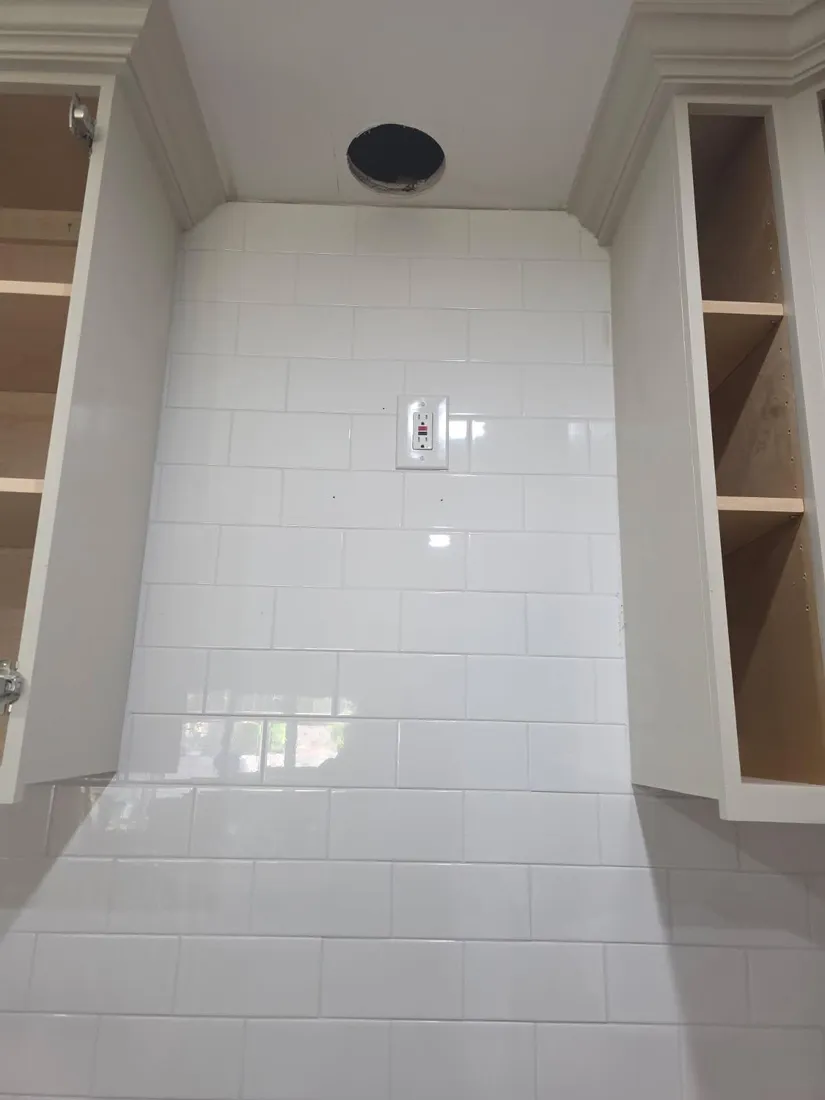
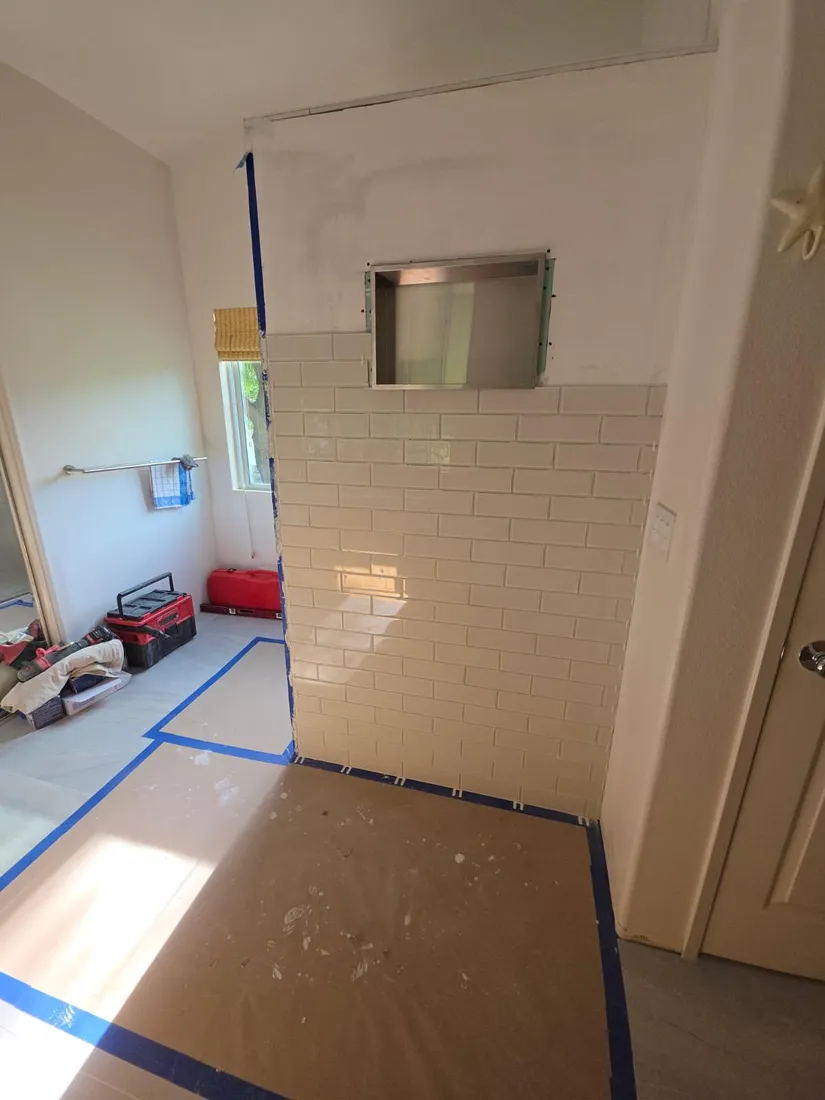
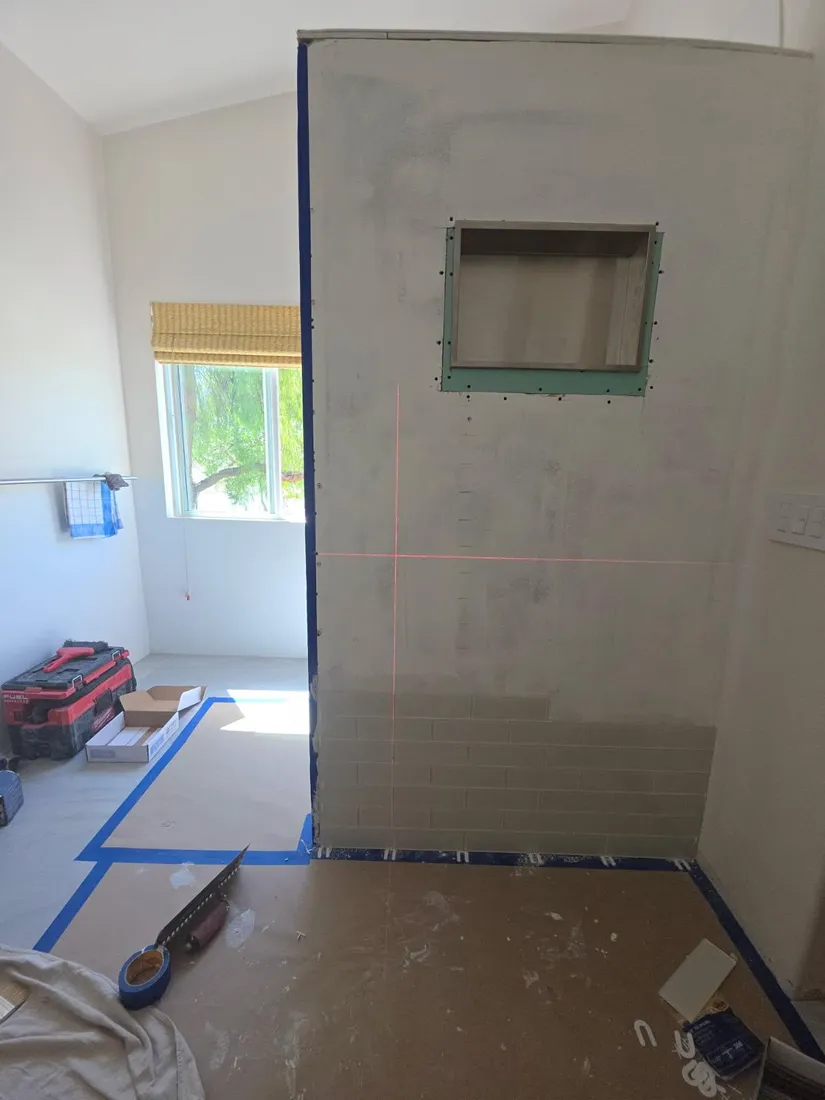
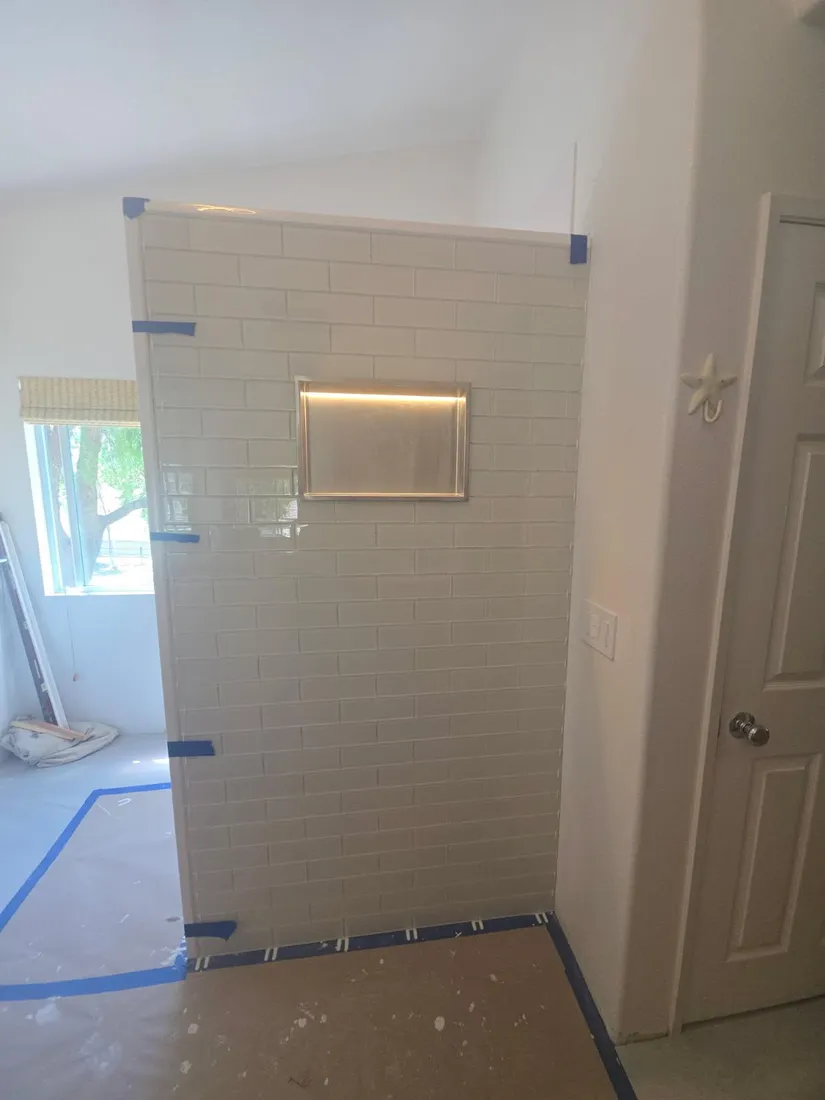
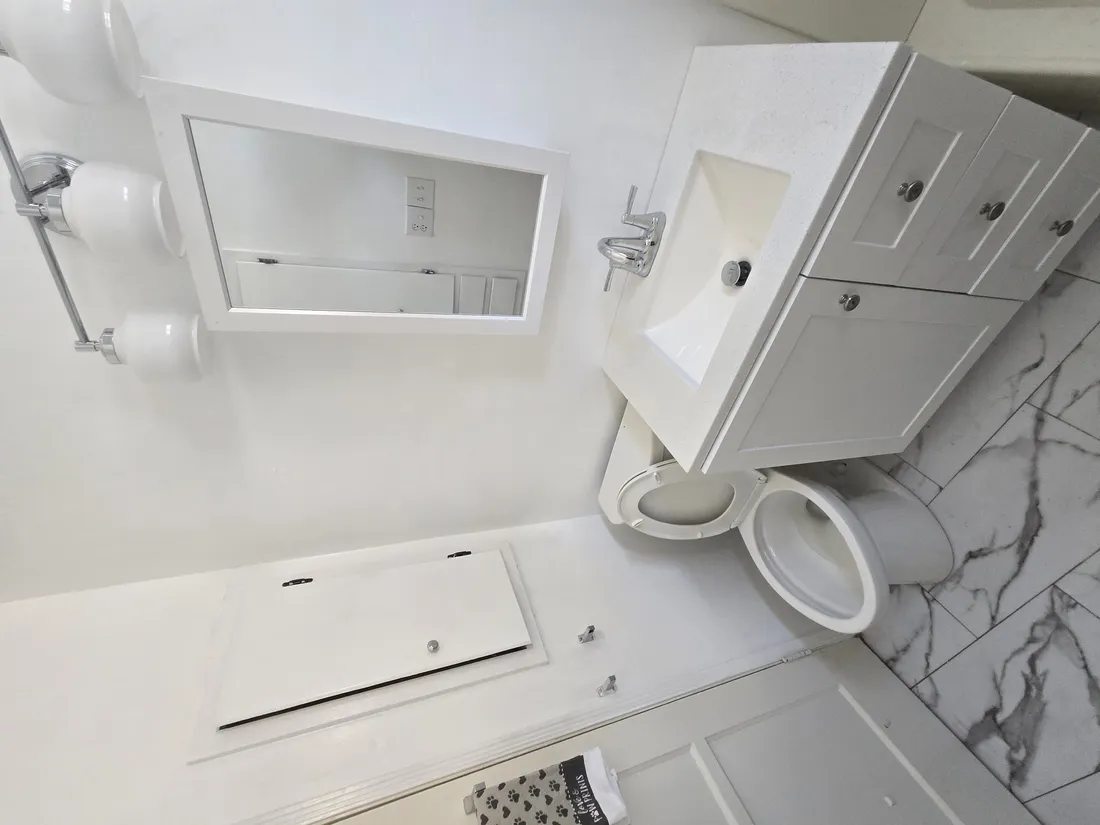
Real jobs from FinerNest pros — not stock photos. Tap a photo to see who did it.
How the work actually works
Tile is a layered system. What's under and behind the tile decides whether it lasts 20 years or molds out in two — here's the sequence and the standards that govern it.
- 1
Prep the substrate
Tile needs a rigid, flat base. Floors get cement backer board or an uncoupling membrane (e.g. Ditra) over plywood — never bare drywall or plywood alone, which flex and crack grout. Wet walls get cement or waterproof board, not regular ('green') drywall.
- 2
Waterproof wet areas
Showers get a waterproofing membrane or a properly built pan BEFORE any tile. This invisible step is what separates a 20-year shower from a moldy two-year failure.
- 3
Lay out and set
The installer dry-lays to balance cuts and avoid skinny slivers at the visible edges. Tile is set in thinset mortar combed to the right trowel size, and large tiles are 'back-buttered' for full contact.
- 4
Grout and seal
Grout fills the joints after the mortar cures. Cement grout is usually sealed; epoxy grout is waterproof and needs none. Corners and changes of plane get flexible caulk, not rigid grout.
The standards that decide if it lasts
Tile work is governed by real industry standards (TCNA/ANSI). You don't need to memorize them, but these are the specs that separate lasting work from callbacks.
- Mortar coverage
- ANSI requires ~80% thinset coverage in dry areas, 95% in wet/exterior. Tiles that sound hollow when tapped have poor coverage — they'll crack or pop loose.
- Lippage
- How much one tile edge sits proud of its neighbor. Large-format and wood-look planks need careful layout and leveling clips; sloppy work shows as a ridged floor you can feel.
- Movement joints
- Soft caulk joints where tile meets walls and tubs and across big floors. Grouting these solid (no flex) is a top cause of cracked tile.
Tile materials — pick for where it goes
What the tile is made of decides its durability, water resistance, and upkeep. Match it to the room.
- Ceramic
- Softer and easy to cut, with lower water resistance. Budget-friendly and great for walls and light-traffic floors; the glaze can wear in heavy use.
- Porcelain
- Denser, harder, and water-resistant — the workhorse for floors, wet areas, and outdoors. Harder to cut, but far more durable, and through-body color hides chips.
- Natural stone (marble, travertine, slate)
- Unique and beautiful, but porous: it needs sealing and gentle, non-acidic cleaners, and some types etch. A real maintenance commitment — and not every setter handles stone well.
- Glass
- Luminous backsplashes and accents. Translucent, so it needs white thinset and careful setting, and cut edges are unforgiving.
- Cement / encaustic
- Matte, patterned, handmade-look tile. Porous — it must be sealed before AND after grouting or it stains permanently. Confirm your installer knows the routine.
Format & size — and why it changes the whole install
Two tiles of the same material can need completely different prep, tools, and skill. Tell your pro the exact format you've bought up front — it's the difference between an easy job and a failed one.
- Mosaic — mesh- vs. paper-faced
- Small tiles sold in sheets. Mesh-backed (mesh glued to the back) is forgiving and the easy kind. Paper-faced (paper glued to the front, peeled off after setting) holds tighter joints but the tiles shift and fall apart easily and must be back-buttered — a fussier, different install. Know which you have and say so.
- Standard field tile
- Roughly 4×4 up to 12×24 — the everyday format, straightforward to set on a sound, flat substrate.
- Large-format (up to ~24×48)
- Fewer grout lines and a faster install on big floors — but it demands a very flat substrate (often medium-bed mortar and leveling clips to control lippage), full back-buttering, and more waste. Great over open, flat areas; punishing over wavy ones.
- Slab / gauged porcelain panels
- Panels up to ~5×10 ft make near-seamless walls and counters — but they need a specialist crew with suction frames to carry them, special blades to cut, and they break easily in transit and handling. Not every tile setter does these; confirm the experience and the handling plan.
- Thickness & rating (floor vs. wall)
- Tiles are rated for walls (thinner, lighter) or floors (thicker, with a PEI abrasion rating for traffic and a DCOF slip rating for wet areas). Large-format and pavers come in thicknesses — roughly 6 mm wall, 10–12 mm floor, 20 mm outdoor. Never put a wall tile on the floor.
Red flags of a corner-cut job
- Tiling a shower or floor directly over drywall or bare plywood.
- No waterproofing membrane or pan mentioned for a shower.
- Large-format tile set over a floor that wasn't flattened first (guaranteed lippage).
- Paper-faced mosaic treated like mesh-backed — joints shift and tiles pop loose.
- A hollow sound when you tap the finished tile, or rigid grout where flexible caulk belongs.
Put it in writing
- Substrate named: backer board or uncoupling membrane on floors, cement/waterproof board in wet walls.
- A waterproofing system for any shower, installed before tile.
- The exact tile format and size given to the pro up front — large-format and slabs need flatter prep, different tools, and a handling plan.
- A floor-rated tile (PEI/DCOF) on floors — not a wall tile — and caulk at every change of plane.
- A dry-layout review, the grout type, and whether sealing is included.
Talk like a pro
The terms a contractor uses — so you can follow the conversation and ask the right questions.
- Thinset / mortar
- The adhesive bed under tile, combed with a notched trowel sized to the tile.
- Backer / cement board
- Rigid, water-tolerant substrate (Durock, HardieBacker) tile bonds to — replaces drywall under tile in wet areas.
- Uncoupling membrane
- A layer (e.g. Ditra) that lets the subfloor and tile move independently so the tile doesn't crack.
- Back-buttering
- Spreading mortar on the tile's back as well as the floor for full contact on large tiles.
- Epoxy vs. cement grout
- Epoxy is waterproof and stain-proof (no sealing) but harder to install; cement grout is standard and usually needs sealing.
- PEI rating
- An abrasion class (I–V) for how much foot traffic a floor tile can take. Below III is wall-only or light use.
- DCOF
- A slip-resistance number for wet floors — ask for an appropriate rating in showers and entries.
- Gauged porcelain panel
- A very large, thin porcelain slab (up to ~5×10 ft) for seamless walls and counters; needs specialist tools and handling.
What drives the cost
- Substrate work — backer board, leveling, or waterproofing a wet area
- Tile size and layout complexity (large-format and patterns add labor)
- Number of cuts, niches, edges, and changes of plane
- Tile and setting material grade (e.g. epoxy vs. cement grout)
What it costs to hire
Typical per-unit ranges for tile services (estimates until local pros publish their rates):
Tile floor — pattern surcharge | $2–$2 per sq ft |
Tile floor — standard | $9–$9 per sq ft |
Tile wall — standard | $9–$9 per sq ft |
Tile backsplash (kitchen) | $9–$9 per sq ft |
Tile shower (wet area) | $13–$13 per sq ft |
See full prices and pros in Palmdale, Los Angeles.
Permits & safety
Permit and licensing rules vary by city and county. Before you start, check your local building department — and when in doubt, a licensed pro will know what your jurisdiction requires.
Tile FAQ
What should a tile quote actually include?
A good quote names the materials, the spec or grade, and the scope of work — not just one lump-sum number. The more a bid leaves vague, the more room there is for surprise costs and cut corners. The checklist above lists exactly what to put in writing for this kind of work.
How much does Tile work cost?
On FinerNest, Tile work is priced by the unit rather than as a single bid, so you see the rate up front. The rates above reflect what pros publish; open the city links to see full prices and available pros near you.
How do I find a trustworthy tile pro?
Look for published rates, reviewable past work, and verified licensing where it applies. FinerNest lists local pros with all three so you can compare on work and price rather than chasing quotes.
Decided to hire it out?
Compare tile pros with real rates and reviewable work.