
Solar: what to know before you hire
A solar quote hides three separate decisions: the panels, the inverter, and whether you add a battery. Each has real trade-offs — and the install quality, plus who services it in ten years, matters as much as the brand on the panel.
What solar work looks like
A look at the kind of work and finishes involved — licensed reference photos.
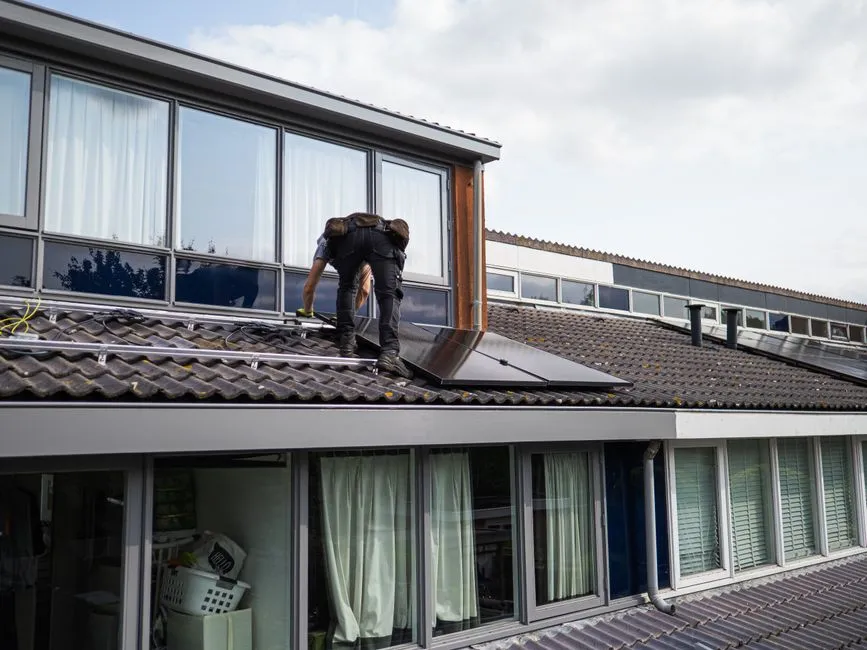
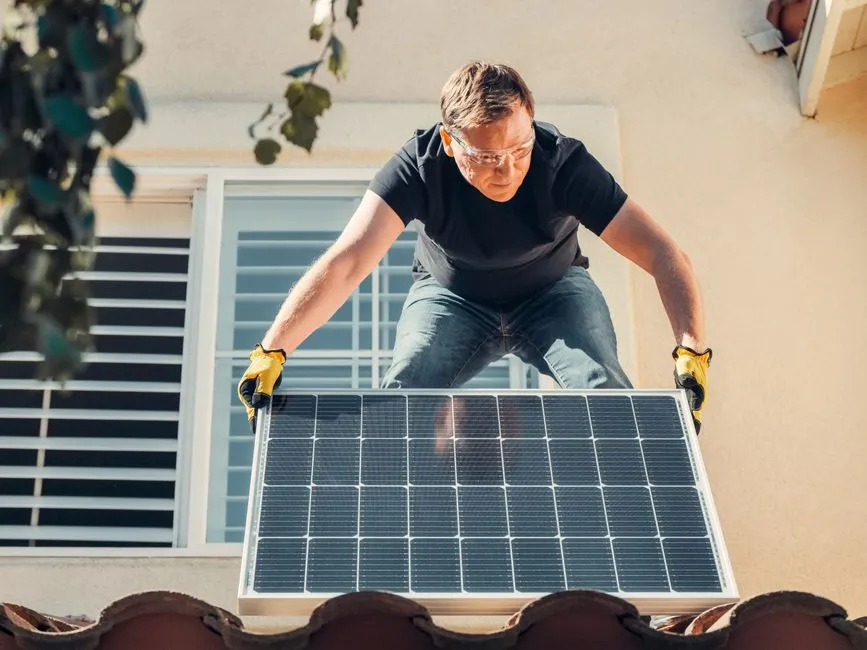
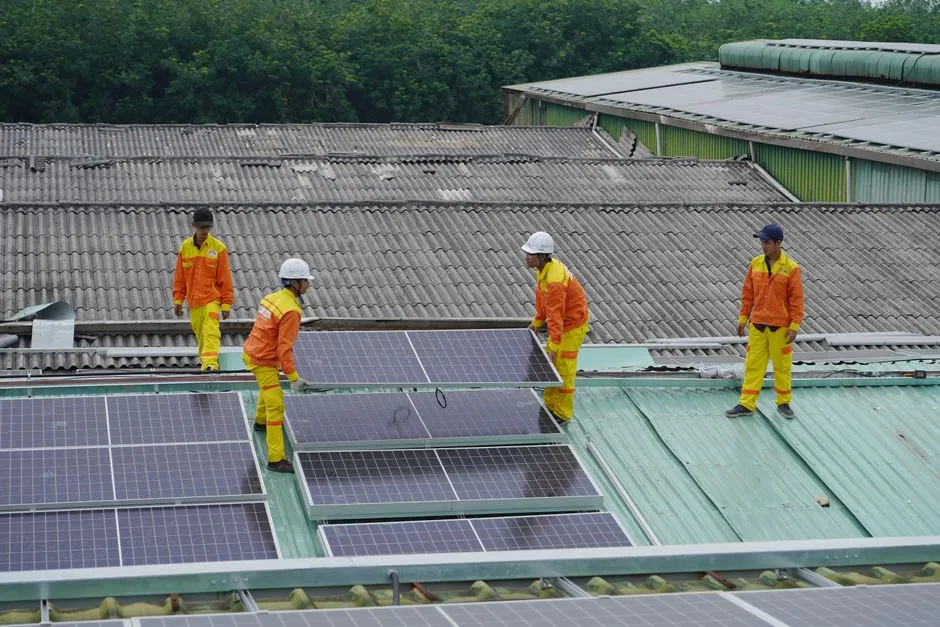
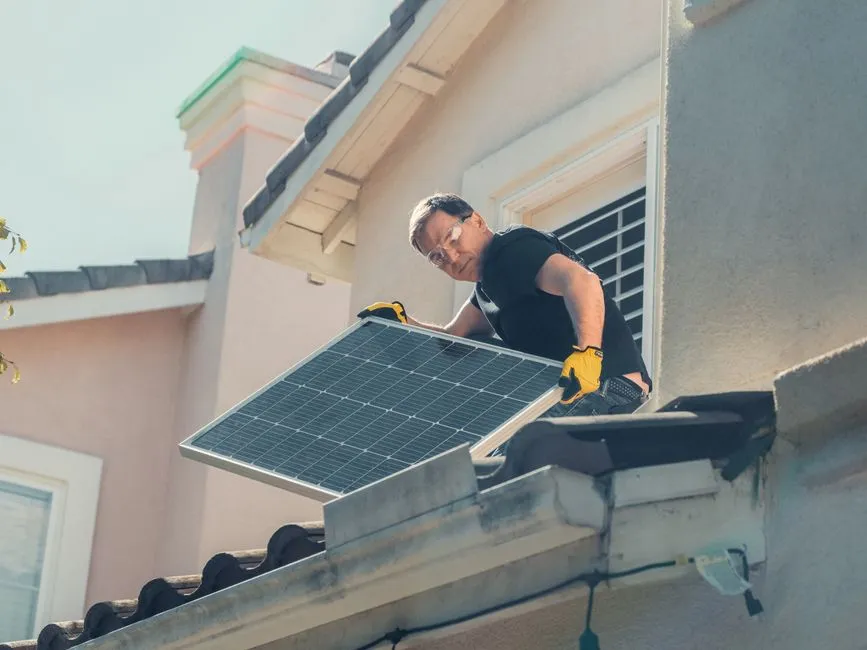
How the work actually works
Sizing comes from your actual usage and roof, not a sales target. Here's how the panel, inverter, and battery decisions differ and what a clean install includes.
- 1
Size to your usage and roof
A real design uses your kWh history, roof area, orientation, and shading — not a round number. Oversizing wastes money; undersizing disappoints.
- 2
Pick panels and inverter
The panel tier and the inverter architecture (below) shape output and how shade is handled.
- 3
Plan the roof and electrical
Check the roof's remaining life (don't put panels on a roof you'll replace in three years), use mounting and flashing that won't leak, and confirm whether the main panel needs an upgrade.
- 4
Permit, interconnect, commission
Permits, utility interconnection, inspection, and monitoring set up — and verify the system is actually producing.
Panels, inverters & batteries
Three separate choices hide inside one quote; each changes cost and how the system handles shade and outages.
- Monocrystalline panels
- The standard now — higher efficiency, better where roof space is limited, slightly pricier. Polycrystalline is cheaper and slightly less efficient; thin-film is rare on homes.
- String inverter (+ optimizers)
- One central inverter for the array — cheapest, but one shaded panel can drag the whole string unless power optimizers are added. Simple to service.
- Microinverters
- One small inverter per panel, so each works independently — shade or a dud panel doesn't drag the rest, with panel-level monitoring. More hardware and cost; great for complex or shaded roofs.
- Battery storage
- Stores solar for night use and backup during outages. A major added cost — worth it for backup, or where the utility pays little for exported power, but not always for pure savings.
What makes (or breaks) a solar install
Panels are commodities; the install, the roof, and the company's longevity are where solar succeeds or fails.
- Roof age first
- Putting panels on a roof near end-of-life means paying to remove and reinstall them in a few years. Re-roof first if needed.
- Mounting & flashing
- Every roof penetration must be flashed watertight. Leaks from bad solar mounting are a common and expensive failure.
- Shading & orientation
- Real production depends on sun — a cheap south-facing array beats a premium shaded one. Get a shade analysis, not just a panel count.
- Who services it in 10 years
- Panels outlast many installers. Favor a company likely to still be around, and understand the workmanship warranty separately from the panel warranty.
Red flags of a corner-cut job
- A system sized to a round number or a sales target instead of your usage and shade analysis.
- Panels going on an old roof with no discussion of its remaining life.
- No detail on roof penetrations or flashing (leak risk).
- A string inverter on a shaded or complex roof with no optimizers or microinverters.
- A hard sell on a battery framed as pure savings when your real case is backup.
Put it in writing
- A design based on your kWh history, roof orientation, and a shade analysis.
- Roof condition addressed first — re-roof if it's near end of life.
- Watertight, flashed mounting detailed in the scope.
- The inverter approach justified for your roof (micros or optimizers if shaded).
- Both warranties explained — workmanship and product — and who will service it.
Talk like a pro
The terms a contractor uses — so you can follow the conversation and ask the right questions.
- kW / kWh
- System size (power) vs. the energy it produces or you use over time.
- String inverter vs. microinverter
- One central inverter vs. one per panel (the latter handles shade far better).
- Power optimizer
- A per-panel add-on to a string system that limits losses from shade.
- Net metering / interconnection
- How your system ties to the grid and how exported power is credited.
- Workmanship vs. product warranty
- Coverage for the installation vs. coverage for the panels and inverter themselves.
What drives the cost
- System size (kW) — driven by your usage, roof space, and sun exposure
- Panel tier and inverter type (microinverters vs. string + optimizers)
- Battery storage (a large add-on) and any main-panel upgrade
- Roof condition, mounting, and permitting/interconnection
What it costs to hire
Typical per-unit ranges for solar services (estimates until local pros publish their rates):
Solar panel cleaning | $10–$10 per panel |
Solar system inspection / performance check | $137–$137 per visit |
Solar inverter install / replace | $275–$275 per inverter |
Solar battery / Powerwall install | $550–$550 per unit |
Solar pool heater install | $1,500–$3,500 per system · often needs assessment |
See full prices and pros in Palmdale, Los Angeles.
Permits & safety
This is safety- and code-sensitive work that often requires a licensed professional and a permit. Rules vary by city and county, so confirm with your local building department before any work begins.
Solar FAQ
What should a solar quote actually include?
A good quote names the materials, the spec or grade, and the scope of work — not just one lump-sum number. The more a bid leaves vague, the more room there is for surprise costs and cut corners. The checklist above lists exactly what to put in writing for this kind of work.
How much does Solar work cost?
On FinerNest, Solar work is priced by the unit rather than as a single bid, so you see the rate up front. The rates above reflect what pros publish; open the city links to see full prices and available pros near you.
How do I find a trustworthy solar pro?
Look for published rates, reviewable past work, and verified licensing where it applies. FinerNest lists local pros with all three so you can compare on work and price rather than chasing quotes.
Decided to hire it out?
Compare solar pros with real rates and reviewable work.