
Siding: what to know before you hire
Siding is half looks and half armor against water — and the material you pick decides the cost, the upkeep, and how the house ages. This guide is about choosing the right siding (including the one case where real wood is still worth it), then installing it so water stays out.
What siding work looks like
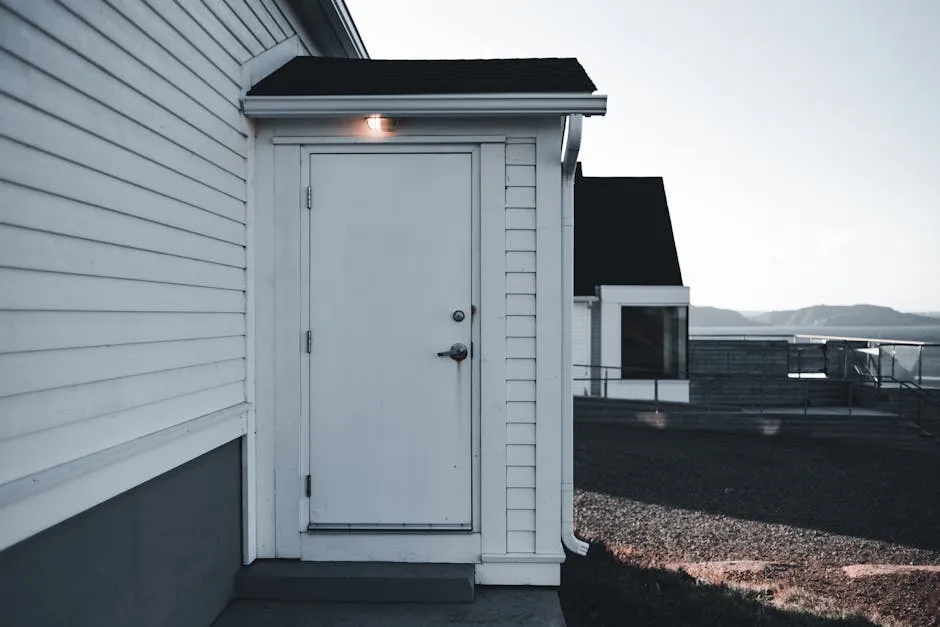
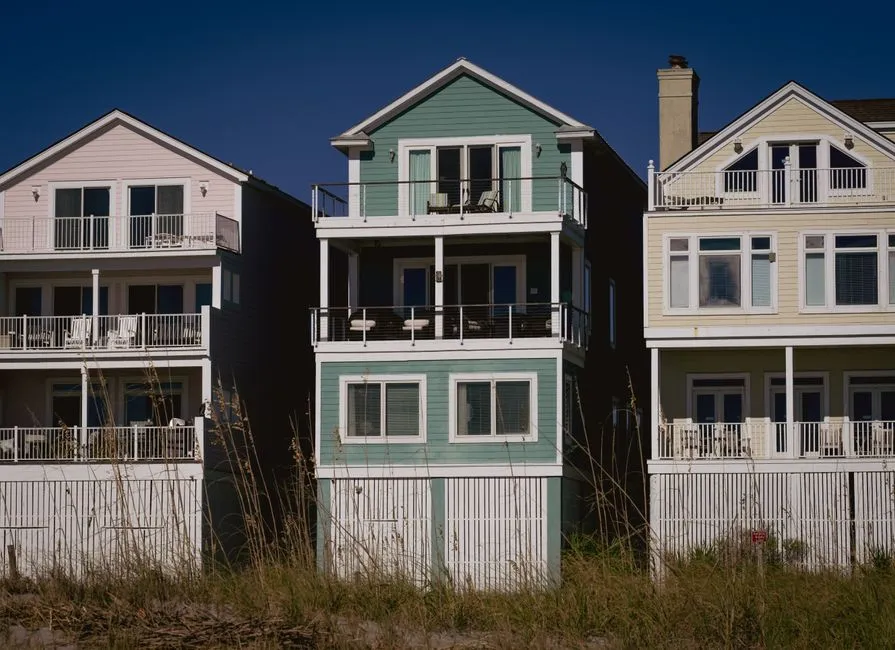
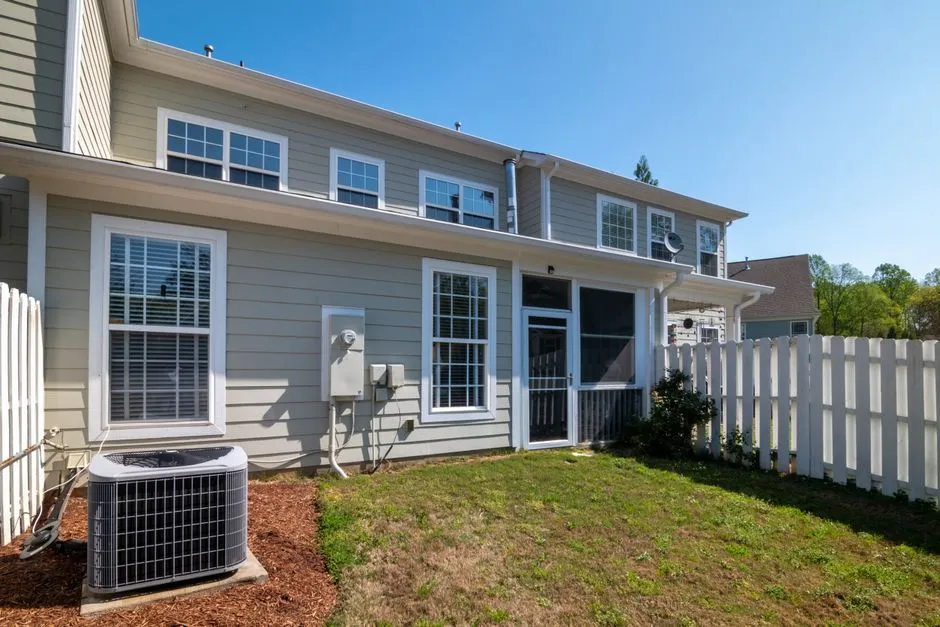
A look at the kind of work and finishes involved — licensed reference photos.

How the work actually works
Siding is a system: a drainage/weather barrier, flashing at every opening, then the cladding. Here's how to choose the material and what makes the install actually keep water out.
- 1
Choose the material
Vinyl, engineered wood, fiber cement, or real wood — the big decision, broken down below. It drives the price, the look, and how much maintenance you sign up for.
- 2
Tear off and inspect the wall
Strip the old siding so any rotted sheathing can be found and replaced, and the weather-resistant barrier (house wrap) checked. Siding installed over hidden rot just buries the problem.
- 3
Flash the openings
Flashing and sealing around every window, door, and penetration. This is where leaks start — and the part a fast bid skips.
- 4
Install with a drainage plane
Cladding goes over the house wrap so water sheds down and out, not in. Fasteners are set to let the siding move with temperature — vinyl especially must hang loose, or it buckles in heat.
- 5
Trim and seal
Corners, J-channel, and caulk at transitions; cut ends of fiber cement and wood get primed/sealed; paint or finish if the material needs it.
Siding materials — and how to choose
The material is the whole decision. Here's the honest comparison — including the one time real wood still makes sense.
- Vinyl
- The cheapest and lowest-maintenance option — never needs painting, just an occasional wash. Today's vinyl is much improved and convincingly mimics real wood grain and board profiles. It can crack in hard cold and fade over decades, but for value and zero upkeep it's hard to beat. The default for most homes when budget rules.
- Engineered wood
- Wood strands and resin (e.g. LP SmartSide) — a real-wood look, lighter and cheaper than fiber cement, factory-primed. Needs repainting and careful sealing of cut ends, but a solid middle option.
- Fiber cement (Hardie)
- A cement-and-cellulose board that looks like painted wood but resists fire, rot, and pests and holds paint 10–15 years. Mid-to-high cost and heavy to install (a specialist job), but the best balance of looks, durability, and low upkeep — a popular forever-home choice.
- Real wood (cedar, etc.)
- Authentic and beautiful, but the highest maintenance — repaint or restain every few years or it rots, and it's vulnerable to insects and fire. With modern vinyl and fiber cement looking this good, new wood siding is rarely the value choice.
- When real wood is still worth it
- One case: an older home with existing wood siding where you only need to replace or patch a section and match what's there. Matching the original profile is the only real reason to buy new wood — and if matching doesn't matter, vinyl is the cheapest way to re-side.
- Brick & stone veneer (a masonry option)
- Non-structural brick or stone over the wall is a durable, premium cladding — but it's masonry work, not siding: a mason lays it in mortar over a drainage gap. If you're weighing it against vinyl or fiber cement, see the Masonry & Stone guide.
Upkeep and lifespan — the real cost over time
The sticker price isn't the whole cost; what you'll spend and do over 20 years differs a lot by material.
- Vinyl
- ~20–40 years. No painting, ever — just an occasional wash. Lowest lifetime cost; replace any cracked or faded sections as needed.
- Engineered wood
- ~20–30+ years. Repaint every several years and keep cut ends sealed. Middle of the pack on cost and effort.
- Fiber cement
- 50+ years. Repaint roughly every 10–15 years. Higher upfront, low ongoing — strong long-term value.
- Real wood
- Decades if maintained — but only if you repaint or restain every 3–5 years and stay ahead of rot and insects. The highest ongoing effort by far.
Red flags of a corner-cut job
- New siding installed over old siding or bad sheathing without a tear-off and inspection.
- No house wrap (WRB), or no flashing at windows and doors — leaks waiting to happen.
- Vinyl nailed tight (it must hang loose to expand, or it buckles in heat).
- Cut ends of fiber cement or wood left unsealed and unprimed.
- New solid-wood siding sold as the 'premium' upgrade where fiber cement or vinyl would last longer with far less upkeep.
Put it in writing
- The material chosen for your budget and upkeep tolerance — and real wood only where you must match existing siding.
- Tear-off with inspection, and replacement of any rotted sheathing.
- A new weather barrier (house wrap) and flashing at every opening and penetration.
- Correct fastening — siding nailed to allow movement, not pinned tight.
- Sealed and primed cut ends, consistent exposure, and staggered joints.
Talk like a pro
The terms a contractor uses — so you can follow the conversation and ask the right questions.
- House wrap (WRB)
- The weather-resistant barrier behind the siding that drains water down and out — the real water defense, not the siding itself.
- Fiber cement
- A cement-and-cellulose board (e.g. James Hardie) that looks like wood and resists fire, rot, and pests.
- Flashing
- Metal or membrane that directs water away from windows, doors, and seams — where most leaks start.
- J-channel
- The trim that receives siding edges around windows, doors, and corners.
- Exposure / reveal
- How much of each board shows below the one above it; consistent exposure is a sign of careful work.
- Staggered joints
- Offsetting where boards end so seams don't line up — better-looking and less leak-prone than stacked joints.
What drives the cost
- Material — vinyl vs. engineered wood vs. fiber cement vs. real wood is a wide price (and upkeep) spread
- House size, number of stories, and trim/corner complexity
- Tear-off of old siding and any rotted sheathing found underneath
- Whether the weather barrier (house wrap) and flashing are replaced
What it costs to hire
Typical per-unit ranges for siding services (estimates until local pros publish their rates):
Fascia / soffit install | $3.79–$3.79 per linear ft |
Siding install (vinyl / fiber-cement / wood / metal) | $3.79–$3.79 per sq ft |
Stucco / plaster install — 3-coat | $36–$36 per sq yd |
Stucco / plaster repair / patch | $8–$8 per sq ft |
See full prices and pros in Palmdale, Los Angeles.
Permits & safety
Permit and licensing rules vary by city and county. Before you start, check your local building department — and when in doubt, a licensed pro will know what your jurisdiction requires.
Siding FAQ
What should a siding quote actually include?
A good quote names the materials, the spec or grade, and the scope of work — not just one lump-sum number. The more a bid leaves vague, the more room there is for surprise costs and cut corners. The checklist above lists exactly what to put in writing for this kind of work.
How much does Siding work cost?
On FinerNest, Siding work is priced by the unit rather than as a single bid, so you see the rate up front. The rates above reflect what pros publish; open the city links to see full prices and available pros near you.
How do I find a trustworthy siding pro?
Look for published rates, reviewable past work, and verified licensing where it applies. FinerNest lists local pros with all three so you can compare on work and price rather than chasing quotes.
Decided to hire it out?
Compare siding pros with real rates and reviewable work.