
Roofing: what to know before you hire
A roof is a layered system, not just shingles. Most roof failures are flashing and ventilation failures — the cheap details a low bid quietly leaves out — not the shingle itself.
What roofing work looks like
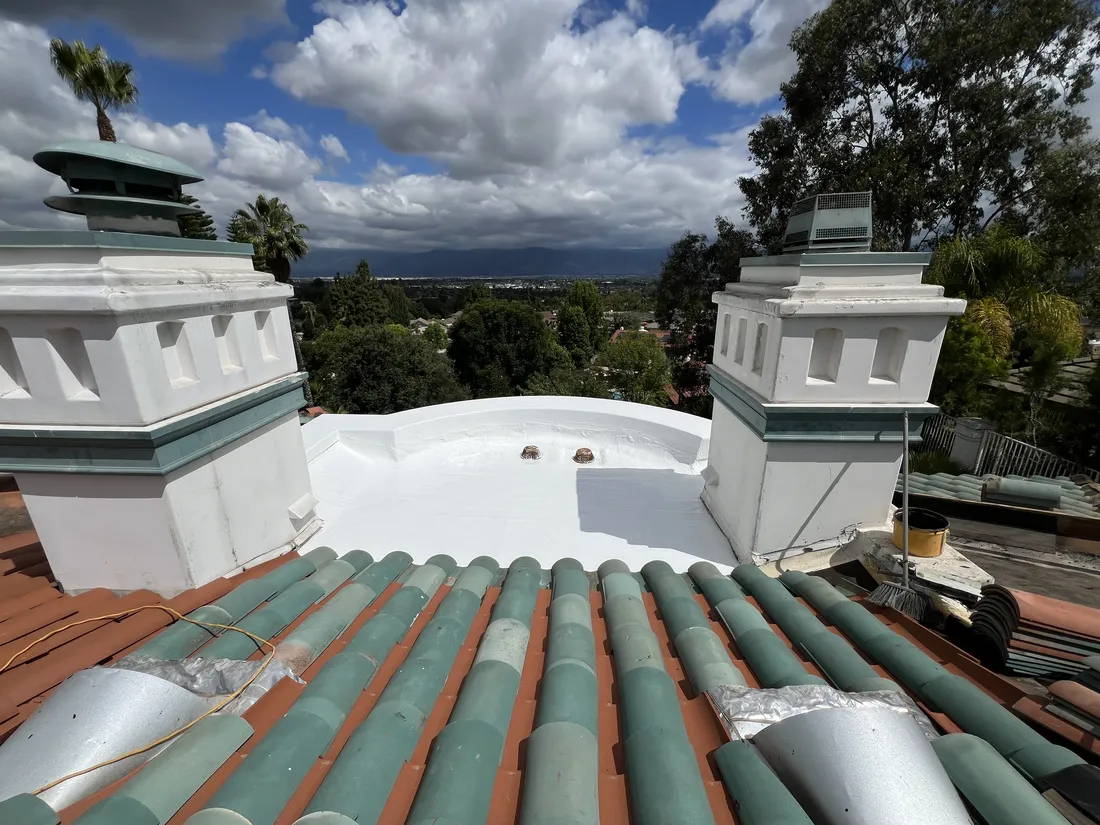
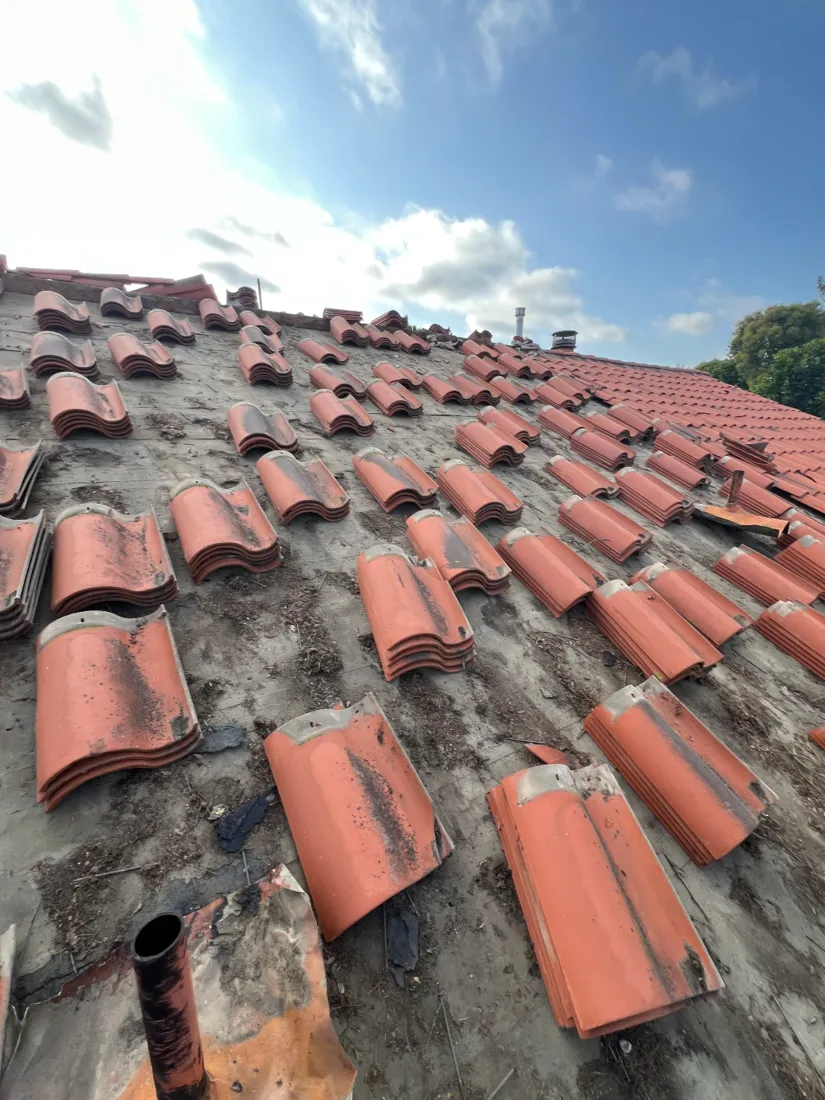
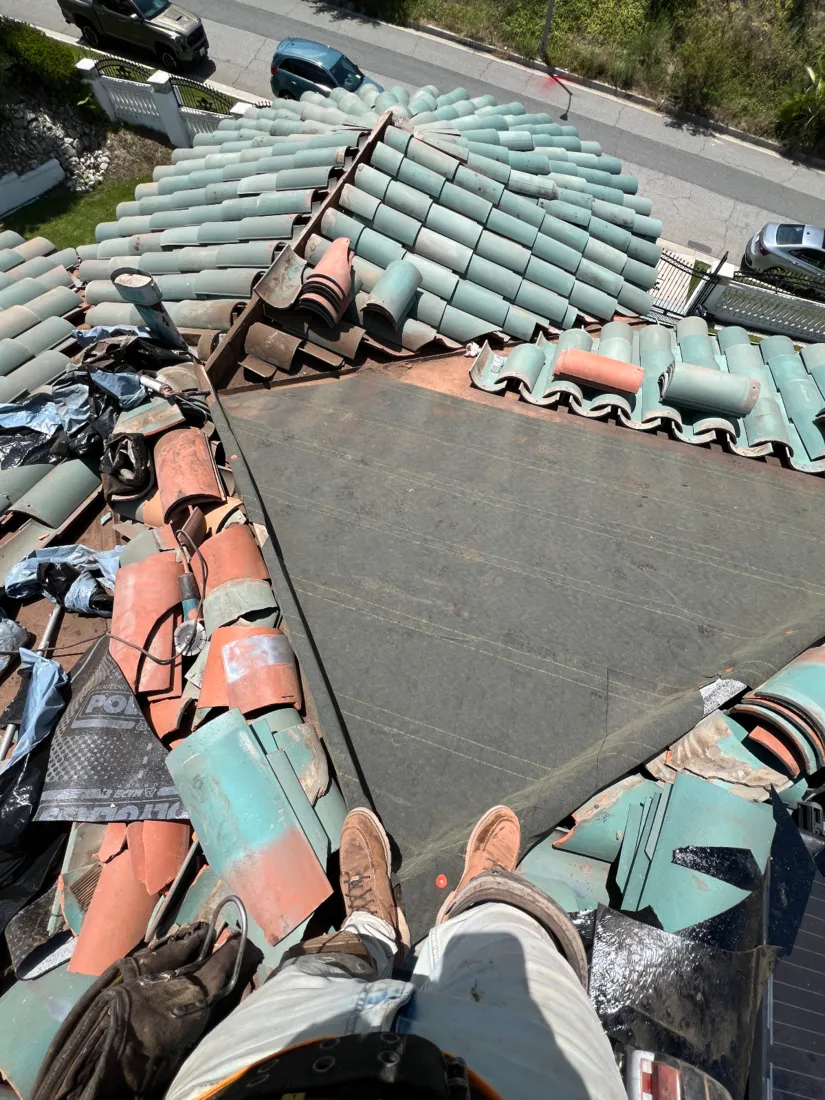
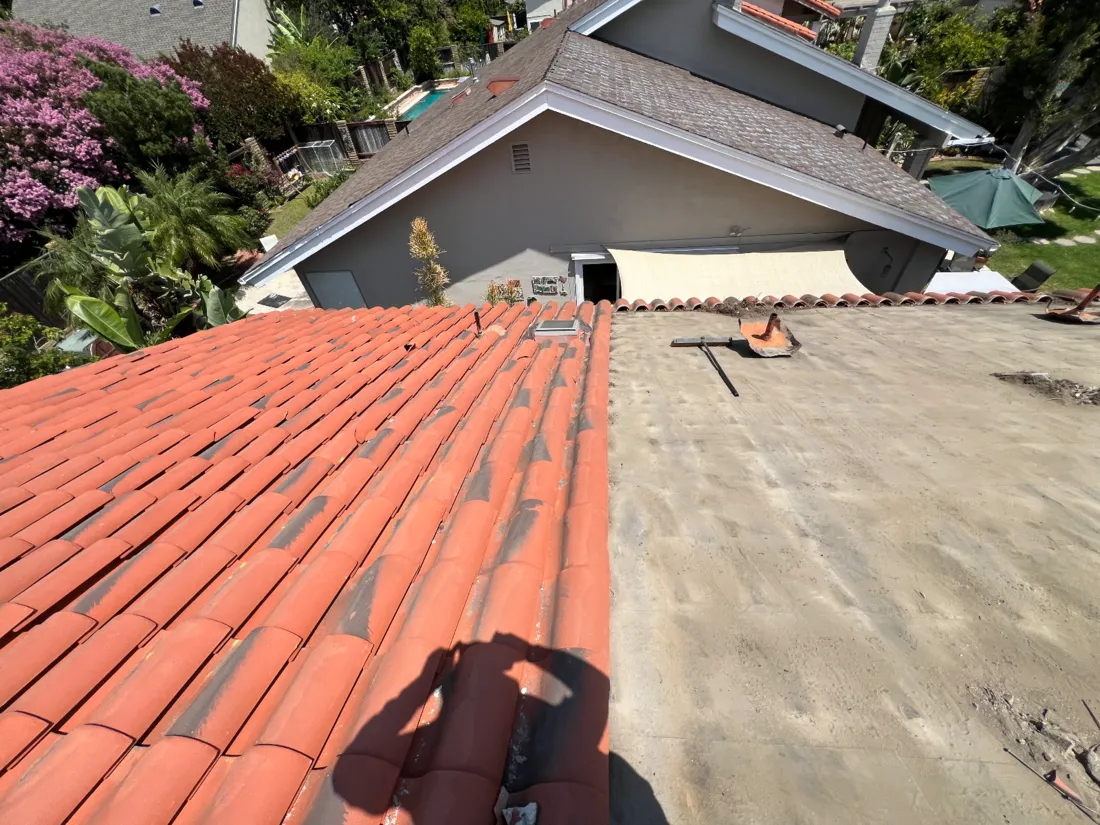
Real jobs from FinerNest pros — not stock photos. Tap a photo to see who did it.
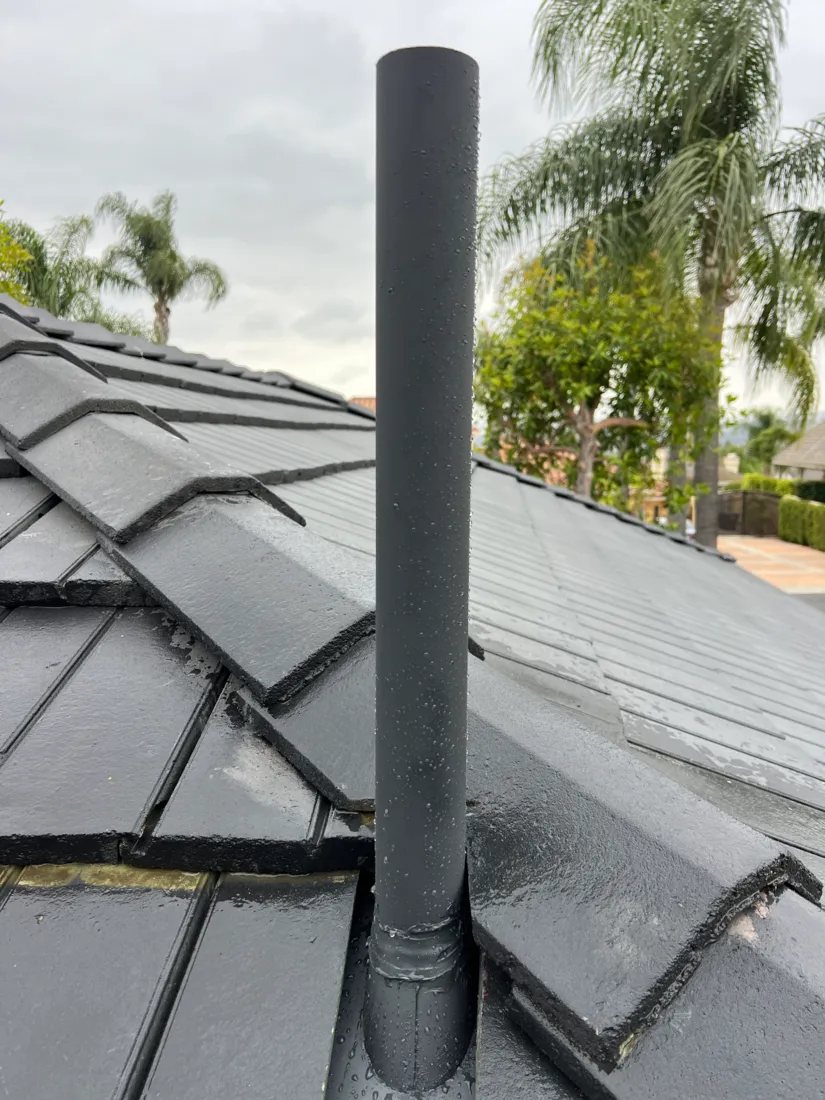
How the work actually works
When two roof bids are thousands apart, the difference is the material and the parts you never see. Here's how to pick the material, plus the full system and where corners get cut.
- 1
Tear off & inspect the deck
Old roofing is stripped to the wood deck so soft or rotted sheathing can be found and replaced. 'Roofing over' the old shingles is cheaper but hides rot and shortens life — and many codes cap a roof at two layers.
- 2
Underlayment & ice barrier
Felt or synthetic underlayment covers the whole deck; a peel-and-stick ice-and-water membrane goes in valleys, at eaves, and around penetrations — the exact spots that actually leak.
- 3
Flashing the transitions
New metal at every valley, wall, chimney, and vent. Reusing old rusted flashing or just smearing caulk over it is the number-one source of leaks on an otherwise new roof.
- 4
Shingles & ventilation
Shingles install bottom-up with the manufacturer's nailing pattern; ridge and intake vents finish the system. Poor ventilation cooks shingles from below and can void the warranty.
Shingle and warranty grades
Not every 'new roof' is the same product or the same coverage. These three decide what you actually got.
- 3-tab vs. architectural
- 3-tab are flat and thinner (~15–20 yr). Architectural (dimensional) shingles are thicker (~25–30 yr) and now the residential standard — confirm which you're quoted.
- Nailing (4 vs. 6)
- Most makers require 6 nails per shingle for the wind warranty; 4-nail jobs are faster, cheaper, and can void coverage in wind.
- Warranty type
- A 'material' warranty covers the shingle only. A registered manufacturer 'system' warranty (certified installer) also covers labor — very different protection for the same-looking roof.
Roof types — and when each one wins
The material is the biggest decision, and it's driven by your climate, your roof's pitch, what the structure can carry, and your budget — not just looks.
- Asphalt shingles
- The default: cheapest, fastest, and serviceable by any roofer (~15–30 yr). Architectural shingles are the residential standard. Best when budget matters and the pitch is moderate-to-steep — which covers most homes.
- Metal (standing seam)
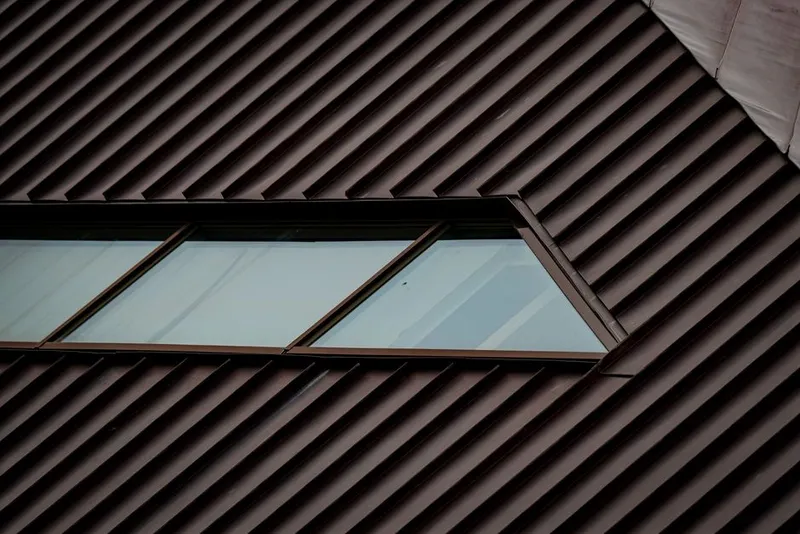
- 40–70 yr, sheds snow and rain, reflects heat for lower cooling bills, and resists fire — but 2–3× the cost of asphalt and needs an experienced crew. Best for longevity, snow or wildfire country, and modern looks. ('Loud in the rain' is a myth over a solid deck.)
- Clay / concrete tile
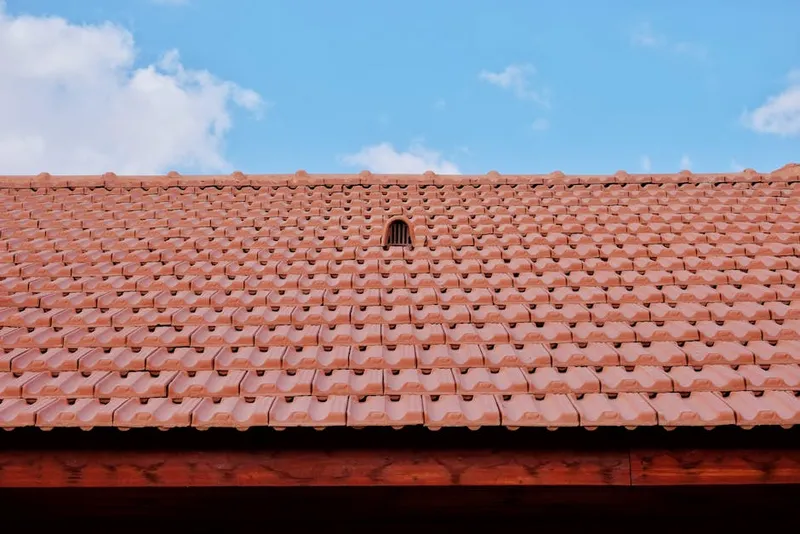
- 50+ years and ideal in hot, sunny, coastal climates — the classic Spanish/Mediterranean look. Very heavy (your structure must be rated for it) and brittle to walk on. Expensive to buy and install.
- Slate
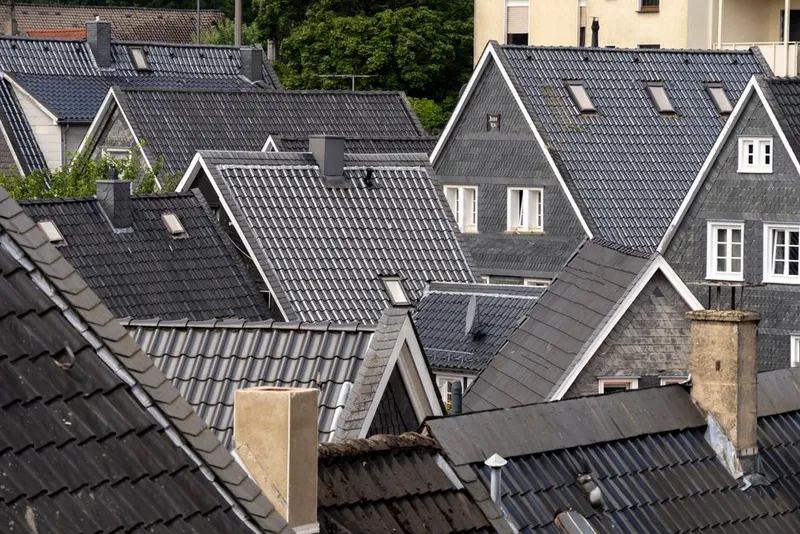
- Natural stone, 75–100+ years — the premium and historic choice. Extremely heavy and expensive, and only specialist crews should touch it. Overkill unless you're matching a high-end or historic home.
- Wood shake / shingle
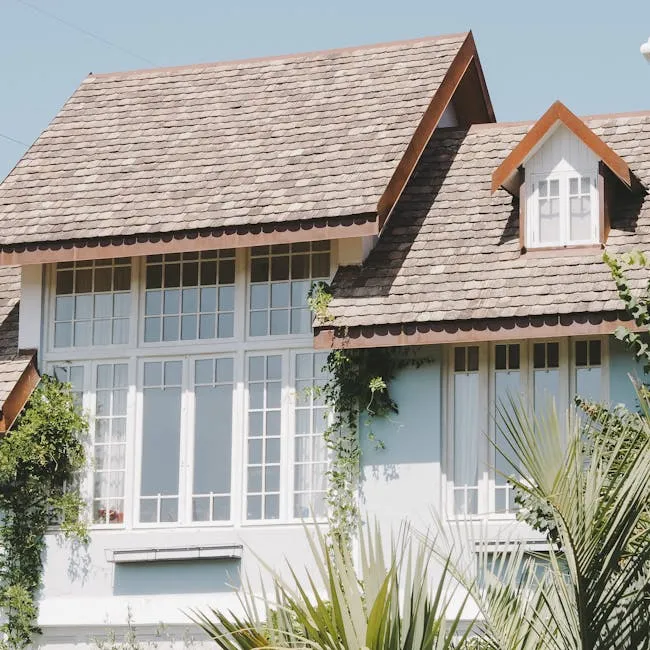
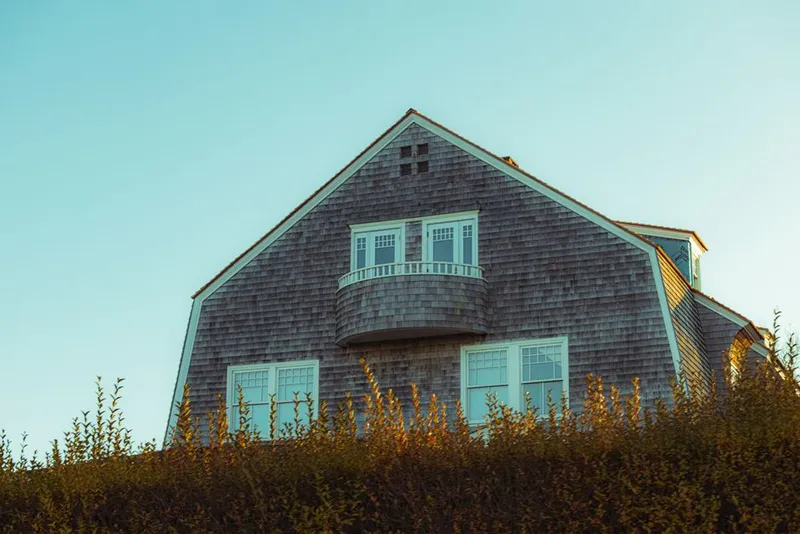
- Cedar that weathers to gray — a look-driven choice with higher maintenance and a real fire concern. Restricted or banned in many wildfire areas; always check local code and HOA first.
- Flat / low-slope membrane
- For roofs under ~2-in-12 pitch (porches, additions, modern flat roofs), shingles can't shed water — you need a membrane (TPO, EPDM, or modified bitumen). A different trade with different failure modes (seams and ponding water).
Red flags of a corner-cut job
- A bid to 'roof over' the existing shingles to save money.
- Reusing old flashing or relying on caulk/'tar' at chimneys and walls.
- No mention of replacing rotted decking (or no per-sheet price for it).
- No drip edge, no ice-and-water shield, or no ventilation in the scope.
- 4 nails per shingle, or no nailing pattern specified.
Put it in writing
- Full tear-off to the deck (not an overlay), with a per-sheet price for replacing bad decking.
- New flashing at all penetrations and transitions — not reused.
- Ice-and-water shield in valleys and eaves, and drip edge at all edges.
- The nailing pattern (6-nail for asphalt) and the ventilation plan.
- For tile or slate, confirmation your structure can carry the weight; for low-slope areas, a membrane — not shingles.
- Which warranty you're getting — material vs. registered system.
Talk like a pro
The terms a contractor uses — so you can follow the conversation and ask the right questions.
- Pitch (slope)
- How steep the roof is, as rise-over-run (e.g. 6-in-12). Below ~2-in-12 you need a membrane, not shingles.
- Deck / sheathing
- The plywood or OSB the roof is built on; rotted sections must be replaced during tear-off.
- Underlayment
- The water-resistant layer over the deck, under the shingles.
- Ice-and-water shield
- Self-sealing membrane in leak-prone areas (eaves, valleys, penetrations).
- Flashing
- Metal pieces that seal joints and transitions — the real leak defense, not caulk.
- Drip edge
- Metal at the roof edges that directs water into the gutter — code-required and often skipped.
- Square
- Roofers price by the 'square' = 100 sq ft of roof area.
What drives the cost
- Roofing material — asphalt vs. metal, tile, or slate is a 2–5× price spread
- Roof size (priced per 'square' = 100 sq ft) and pitch/steepness
- Tear-off vs. overlay, and how much rotted decking is found
- Flashing, underlayment, drip edge, and ventilation included in scope
- Warranty type (material vs. registered system) and installer certification
What it costs to hire
Typical per-unit ranges for roofing services (estimates until local pros publish their rates):
Fascia / soffit repair | $9.47–$9.47 per linear ft |
Asphalt shingle repair | $112–$112 per repair |
Asphalt shingle install — replace (with tear-off) | $140–$140 per square (100 sf) |
Metal roof install — standing seam | $224–$224 per square (100 sf) |
Skylight install | $224–$224 per skylight |
See full prices and pros in Palmdale, Los Angeles.
Permits & safety
This is safety- and code-sensitive work that often requires a licensed professional and a permit. Rules vary by city and county, so confirm with your local building department before any work begins.
Roofing FAQ
What should a roofing quote actually include?
A good quote names the materials, the spec or grade, and the scope of work — not just one lump-sum number. The more a bid leaves vague, the more room there is for surprise costs and cut corners. The checklist above lists exactly what to put in writing for this kind of work.
How much does Roofing work cost?
On FinerNest, Roofing work is priced by the unit rather than as a single bid, so you see the rate up front. The rates above reflect what pros publish; open the city links to see full prices and available pros near you.
How do I find a trustworthy roofing pro?
Look for published rates, reviewable past work, and verified licensing where it applies. FinerNest lists local pros with all three so you can compare on work and price rather than chasing quotes.
Decided to hire it out?
Compare roofing pros with real rates and reviewable work.