
Plumbing: what to know before you hire
Plumbing problems are slow and expensive: a hidden drip behind a wall is mold and rot months later. The materials and the slope you can't see decide whether a system runs quietly for decades or backs up every winter.
What plumbing work looks like
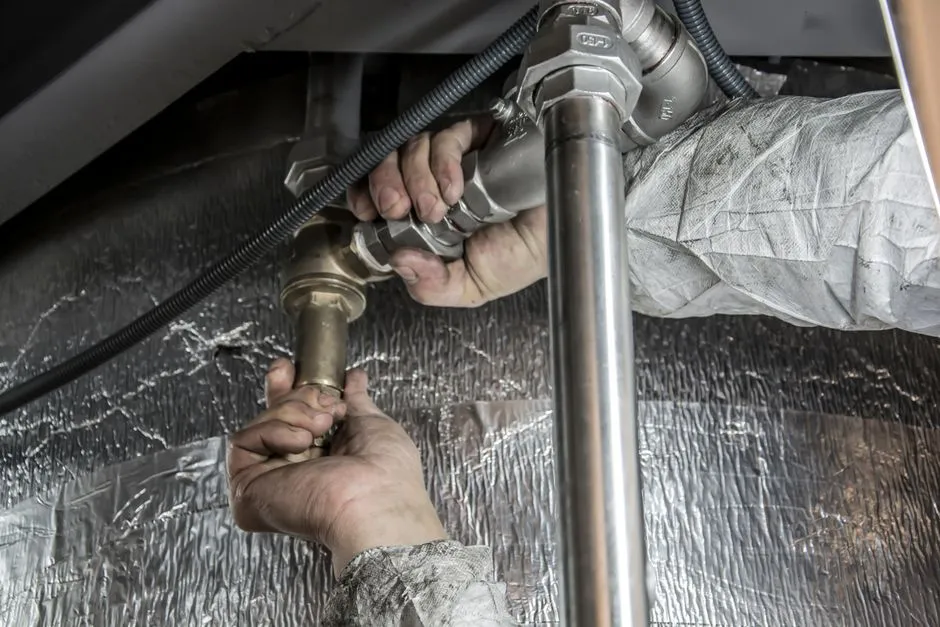
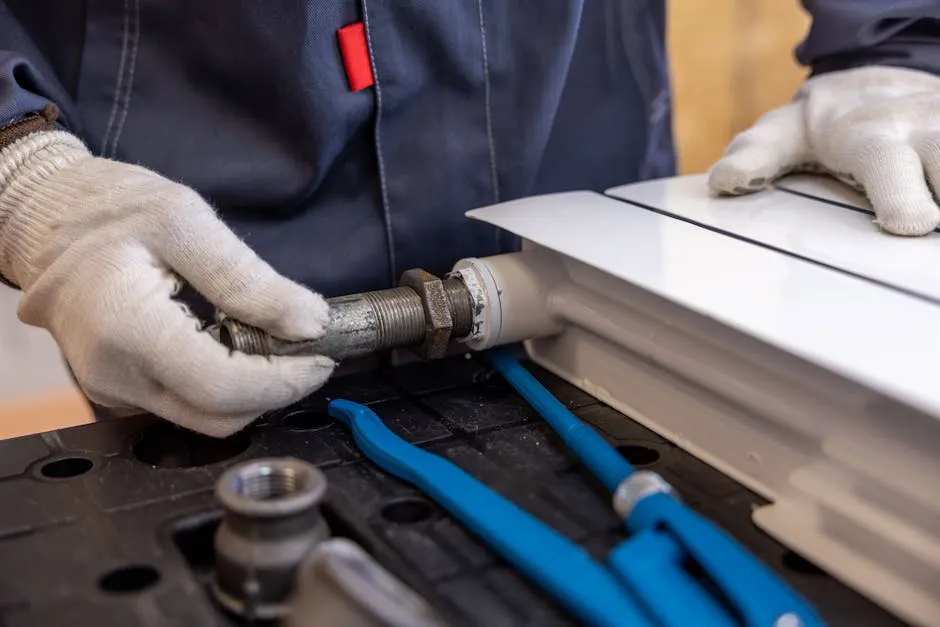
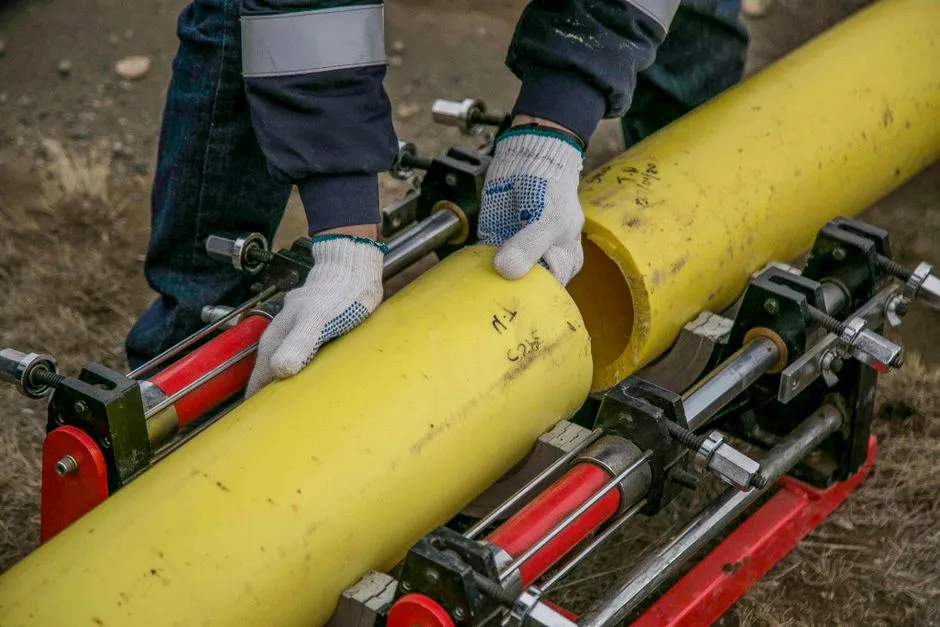
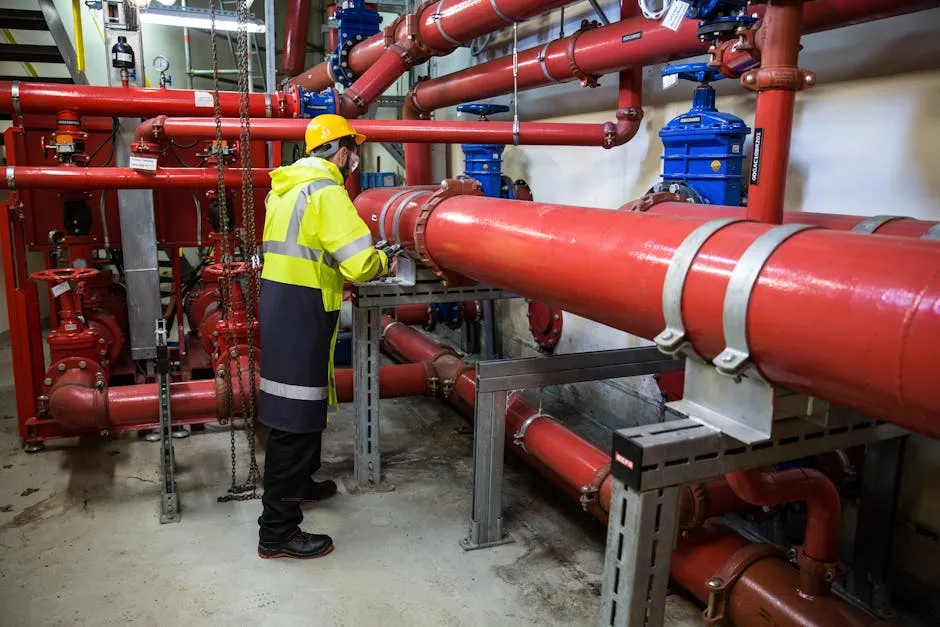
A look at the kind of work and finishes involved — licensed reference photos.
How the work actually works
Good plumbing is invisible — which is why the shortcuts are too. Here's the real sequence and the materials questions that separate a 40-year system from a callback.
- 1
Shut off & assess
Water (and gas, if relevant) is isolated. A good plumber checks the condition of existing shutoffs and connections, not just the part that failed.
- 2
Rough-in the lines
Supply and drain lines run inside walls and floors. Drains must slope correctly (about 1/4" per foot) — too flat and they clog, too steep and water outruns the solids.
- 3
Set fixtures & connect
Fixtures mounted, supplies and traps connected, everything sealed — with dielectric unions where dissimilar metals meet so they don't corrode.
- 4
Test before closing up
Lines are pressure- or fill-tested for leaks before any wall closes. Skipping the test is how a pinhole leak becomes a ceiling stain.
Pipe materials — not interchangeable
What your lines are made of affects cost, durability, and even water safety. The right choice depends on the application and local code.
- PEX vs. copper (supply)
- PEX is flexible, fast, freeze-tolerant, cheaper; copper is rigid, proven, longer-lived, pricier. Both are code-legal in most places — the choice is cost vs. longevity, not good vs. bad.
- PVC / ABS vs. cast iron (drain)
- Plastic (PVC/ABS) is standard for drains; cast iron is quieter and used in some builds. Local code often dictates which.
- Polybutylene / galvanized (legacy)
- Older gray polybutylene and galvanized steel are failure-prone — finding them is a reason to budget for a repipe and a disclosure item in a sale.
Red flags of a corner-cut job
- No mention of testing the lines before closing walls.
- Connecting copper directly to galvanized/steel with no dielectric fitting.
- Drain runs with no slope or no venting in the plan.
- Reusing old, corroded shutoffs and supply lines on a new fixture.
- Gas work without a permit (gas is the one to never cut corners on).
Put it in writing
- A leak/pressure test before any wall or floor is closed.
- Pipe material named for supply and drain, and confirmed code-legal locally.
- New shutoffs and supply lines with new fixtures, not reused parts.
- Correct slope and venting shown for any new drain.
- Permit and inspection for water-heater, gas, sewer, or repipe work.
Talk like a pro
The terms a contractor uses — so you can follow the conversation and ask the right questions.
- Supply vs. drain (DWV)
- Supply lines are pressurized and bring water in; the drain-waste-vent system carries it out by gravity and air.
- Trap
- The U-bend under a fixture that holds water to block sewer gas; every fixture needs one.
- Vent
- Pipes to the roof that let drains breathe so they flow — bad venting makes drains gurgle and run slow.
- Shutoff / angle stop
- The local valve that isolates one fixture without killing water to the whole house.
- Slope / fall
- The gentle downhill on drain lines (~1/4" per foot) that lets gravity do the work.
What drives the cost
- Access — fixtures vs. in-wall or under-slab work
- Whether existing shutoffs and connections are in usable condition
- Pipe material and how far new lines must run
- Emergency vs. scheduled work
What it costs to hire
Typical per-unit ranges for plumbing services (estimates until local pros publish their rates):
Drain unclog — sink / tub / shower | $69–$69 per drain |
Sewer line camera inspection | $104–$104 per visit |
Drain unclog — main line | $139–$139 per visit |
Water leak detection | $139–$139 per visit |
Toilet rough-in (new location) | $555–$555 per rough-in |
See full prices and pros in Palmdale, Los Angeles.
Permits & safety
This is safety- and code-sensitive work that often requires a licensed professional and a permit. Rules vary by city and county, so confirm with your local building department before any work begins.
Plumbing FAQ
What should a plumbing quote actually include?
A good quote names the materials, the spec or grade, and the scope of work — not just one lump-sum number. The more a bid leaves vague, the more room there is for surprise costs and cut corners. The checklist above lists exactly what to put in writing for this kind of work.
How much does Plumbing work cost?
On FinerNest, Plumbing work is priced by the unit rather than as a single bid, so you see the rate up front. The rates above reflect what pros publish; open the city links to see full prices and available pros near you.
How do I find a trustworthy plumbing pro?
Look for published rates, reviewable past work, and verified licensing where it applies. FinerNest lists local pros with all three so you can compare on work and price rather than chasing quotes.
Decided to hire it out?
Compare plumbing pros with real rates and reviewable work.