
Painting: what to know before you hire
Painting is one of the most DIY-able home projects — but the gap between a weekend job and a crisp, durable finish is mostly prep, product, and patience. Here's how the work really goes, and how to spec it so you get two real coats, not one thin one.
What painting work looks like
A look at the kind of work and finishes involved — licensed reference photos.

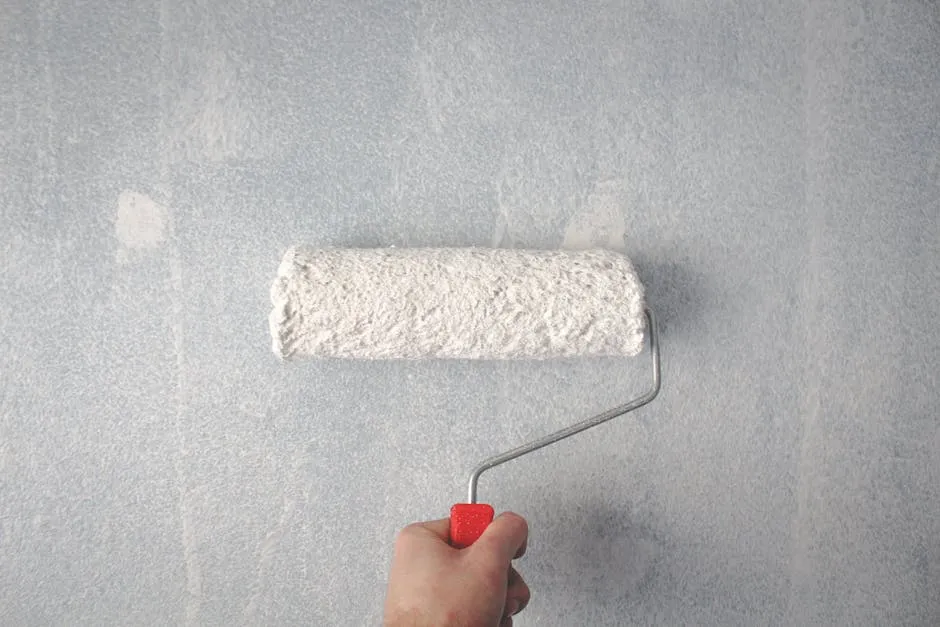
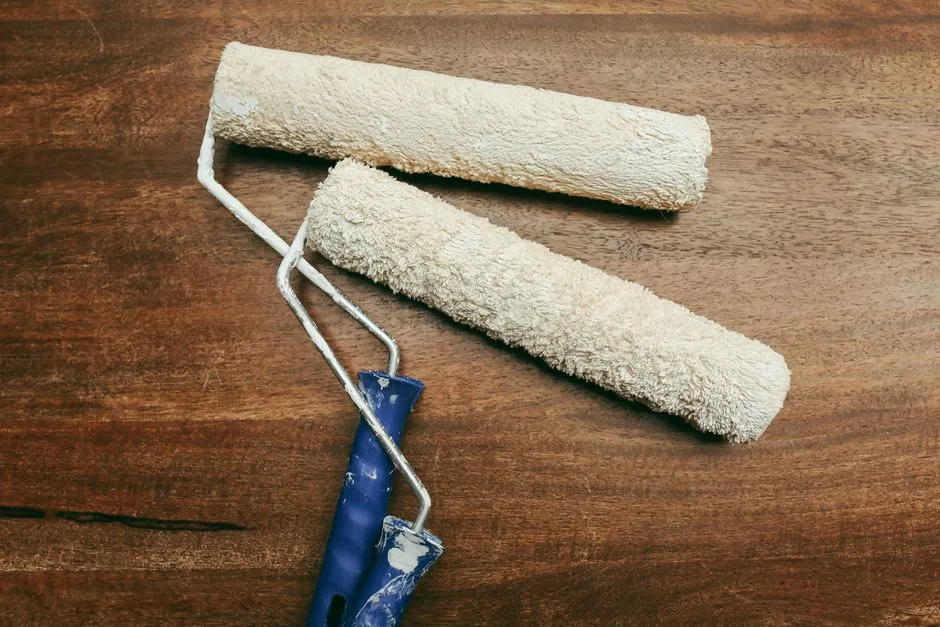
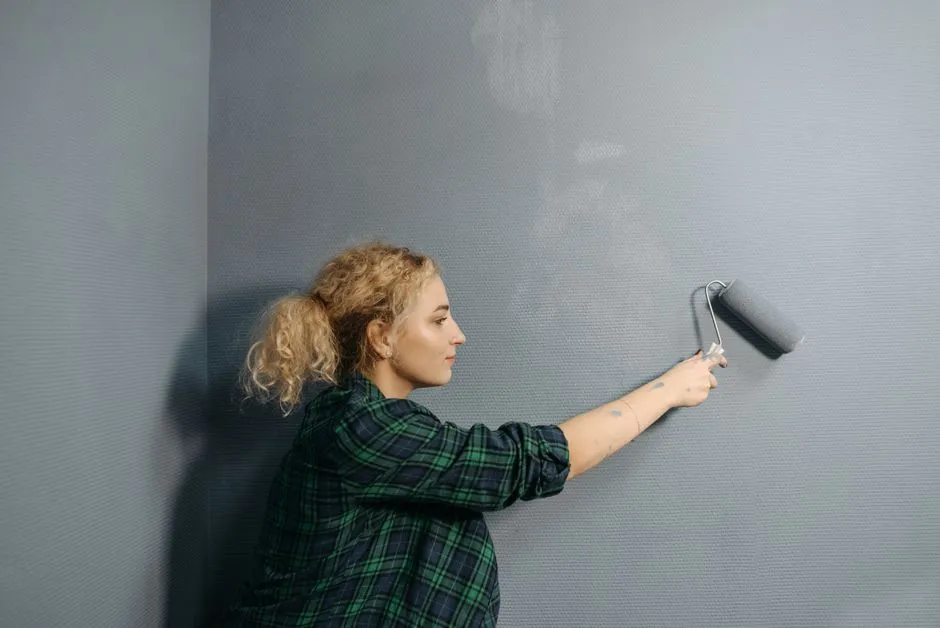
How the work actually works
Anyone can roll paint on a wall. What you're paying a pro for is prep and product — and the same color in two sheens, or one coat vs. two, can look like two different jobs a year later.
- 1
Prep the surface
Fill holes, caulk gaps, sand glossy or rough spots, clean grime, and mask trim and floors. This is 60–80% of a quality job and the first thing a cheap bid quietly cuts. Bare patches and new drywall get spot-primed.
- 2
Prime where needed
New, patched, stained, or big color-change surfaces need primer so the topcoat is uniform. Skip it and you get 'flashing' — dull and shiny patches that show through the finish.
- 3
Two finish coats
Quality interior work is two coats. 'One-coat' jobs leave thin, uneven color that fails first at corners and high-touch areas. Edges are 'cut in' by brush, fields rolled.
- 4
Detail and clean lines
Sprayed work (cabinets, trim, exteriors) needs back-rolling or it goes on thin. Tape is pulled at the right moment so the line is crisp, not lifted.
Paint sheen — it's a spec, not a preference
Sheen drives how forgiving the finish is and where it belongs. Pros pick sheen by room; a bid that doesn't name sheens is guessing.
- Flat / matte
- No shine, hides wall imperfections best — but harder to scrub. Ceilings and low-traffic bedrooms.
- Eggshell / satin
- Slight sheen, the everyday standard for living areas and hallways. Satin is a touch tougher and more wipeable.
- Semi-gloss / gloss
- Shiny, washable, moisture-resistant — trim, doors, kitchens, baths. Shows every flaw underneath, so prep has to be better.
Red flags of a corner-cut job
- A bid that doesn't explicitly say two coats.
- No mention of prep, caulking, or priming patches.
- Painting over glossy or dirty surfaces without sanding or de-glossing.
- Vague 'we'll match the paint' with no brand, line, or sheen named.
- A price that seems too good — it's usually a one-coat job with minimal prep.
Put it in writing
- Two coats, named in the quote.
- Brand, paint line, and sheen for each surface (walls vs. trim vs. ceiling).
- Prep scope spelled out: patching, caulking, sanding, priming.
- A color and sheen listed per room, in writing.
- Drop-cloth and masking protection for floors, fixtures, and furniture.
Talk like a pro
The terms a contractor uses — so you can follow the conversation and ask the right questions.
- Flashing
- Patchy dull/shiny areas where primer was skipped or coats went on uneven.
- Cutting in
- Brushing a clean edge along trim and ceilings before rolling the field.
- Solids / coverage
- Quality paint has more pigment and resin ('solids'), so it covers in two coats and lasts; cheap paint needs more coats and fades.
- Caulk vs. spackle
- Caulk fills gaps at trim and corners (stays flexible); spackle/compound fills holes and dents in the flat surface.
- Holiday / skip
- A missed thin spot where the old surface shows through.
What drives the cost
- Square footage and number of coats (most quality jobs are two)
- Surface prep — patching, sanding, priming stains or new drywall
- Height and access — ceilings, stairwells, and exteriors cost more per sq ft
- Trim, doors, and cut-ins, which are priced separately from open wall area
What it costs to hire
Typical per-unit ranges for painting services (estimates until local pros publish their rates):
Primer / sealer coat | $0.37–$0.37 per sq ft |
Interior ceiling paint (2-coat standard) | $0.64–$0.64 per sq ft (ceiling area) |
Exterior paint — house siding | $0.64–$0.64 per sq ft (wall area) |
Trim / baseboard paint | $1.86–$1.86 per linear ft |
Interior door paint (both sides) | $53–$53 per door |
See full prices and pros in Palmdale, Los Angeles.
Permits & safety
Permit and licensing rules vary by city and county. Before you start, check your local building department — and when in doubt, a licensed pro will know what your jurisdiction requires.
Painting FAQ
What should a painting quote actually include?
A good quote names the materials, the spec or grade, and the scope of work — not just one lump-sum number. The more a bid leaves vague, the more room there is for surprise costs and cut corners. The checklist above lists exactly what to put in writing for this kind of work.
How much does Painting work cost?
On FinerNest, Painting work is priced by the unit rather than as a single bid, so you see the rate up front. The rates above reflect what pros publish; open the city links to see full prices and available pros near you.
How do I find a trustworthy painting pro?
Look for published rates, reviewable past work, and verified licensing where it applies. FinerNest lists local pros with all three so you can compare on work and price rather than chasing quotes.
Decided to hire it out?
Compare painting pros with real rates and reviewable work.