
Masonry & Stone: what to know before you hire
Masonry is mortar, water management, and matching — and the costliest mistakes are invisible: weep holes left out that trap water behind the wall, or too-hard mortar that cracks old brick. This guide covers brick and stone veneer, the full-vs-thin-stone decision, and how repairs go wrong.
What masonry & stone work looks like
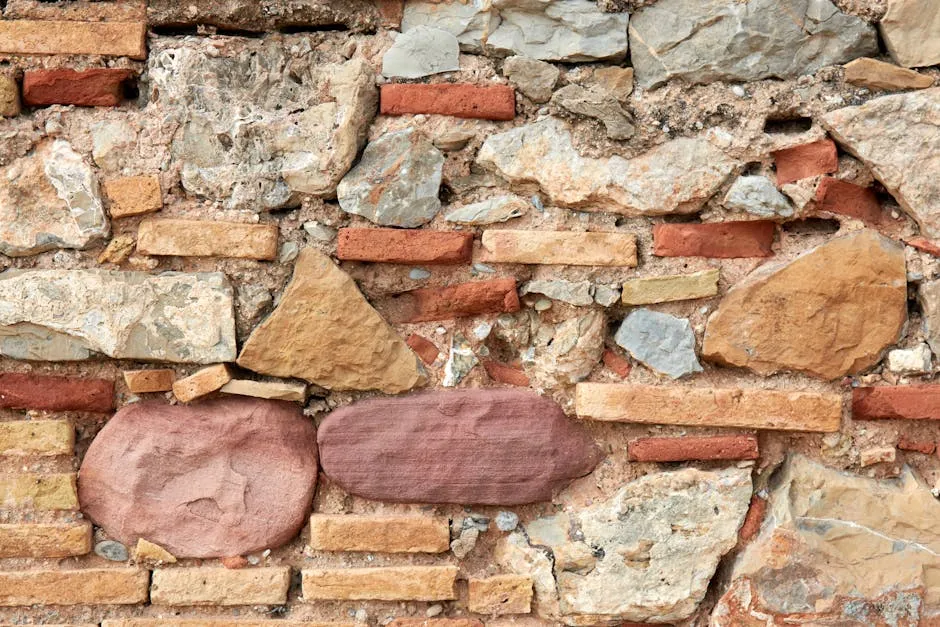
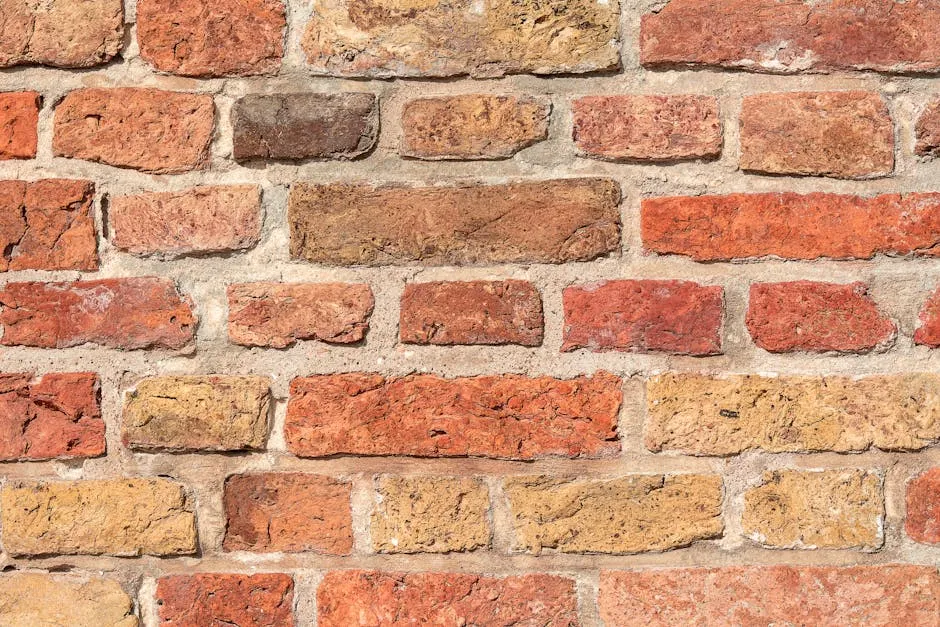
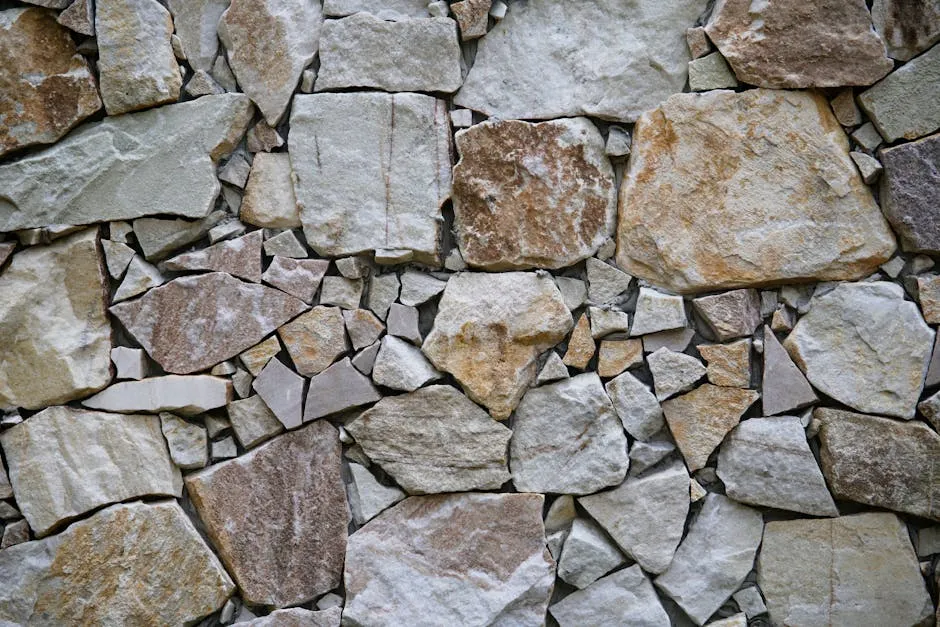
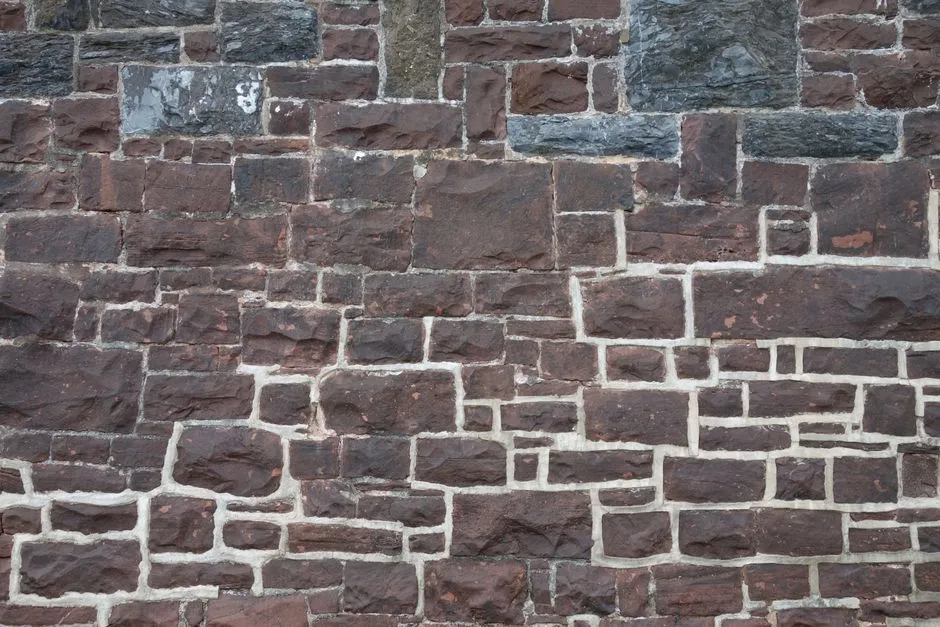
A look at the kind of work and finishes involved — licensed reference photos.
How the work actually works
Masonry veneer isn't a structural wall — it's a rain screen hung off the building, and it only works if water can drain back out. Here's how it's built and where it fails.
- 1
Confirm support & flashing
Brick and full-bed stone veneer are heavy and sit on a foundation ledge or a steel angle; the wall behind gets a weather barrier and flashing at the base and every opening. Thin and manufactured veneer bond to the wall like tile, no footing needed.
- 2
Set ties, weeps, and the air gap
Veneer is anchored to the structure with metal ties, with about a 1" air gap behind it and weep holes at the bottom so any water that gets in drains out. Skip the weeps and you trap water — mold and spalling follow.
- 3
Lay the units in matched mortar
Brick or stone set in mortar, joints tooled consistently. The mortar type must match the masonry — a soft, lime-based mortar for soft or old brick, not hard modern Portland.
- 4
Point, clean, and seal
Joints struck and tooled, excess mortar cleaned off before it cures, and some stone sealed. Sloppy cleanup leaves a permanent haze.
Brick & stone veneer types
All four are cladding hung off the wall — the difference is weight, support, cost, and how real they look.
- Brick veneer
- A single non-structural wythe of brick anchored to the wall with ties, with an air gap and weep holes behind it. Durable and classic — it's cladding, not a load-bearing wall.
- Full-bed stone veneer (natural)
- Real stone, 3–5" thick — heavy, so it needs a foundation ledge or steel support. The most authentic look, and the most expensive and labor-intensive.
- Thin stone veneer (natural)
- Real stone cut to ~1" thick — bonds to the wall over lath and a scratch coat like tile, no extra footing. Most of the look at a fraction of the weight and cost.
- Manufactured stone ('cultured stone')
- Molded, dyed concrete that mimics stone — the lightest and cheapest veneer, installed over lath. Watch for repeating patterns and color fade; quality varies a lot by brand.
Repair & repointing — where old masonry goes wrong
Most masonry calls are repairs, and the classic mistake is using modern materials on an old wall.
- Repointing (tuckpointing)
- Raking out failed mortar joints and refilling them. Done right it lasts decades; the trick is matching the new mortar's color, joint profile, and — critically — its hardness.
- Mortar hardness (the #1 mistake)
- Old, soft brick needs a soft, lime-based mortar. Patch it with hard modern Portland mortar and the brick — not the mortar — cracks and spalls as it expands. A hard tell of an inexperienced mason.
- Spalling & efflorescence
- Spalling (brick faces flaking off) means trapped moisture and freeze-thaw; efflorescence (white salt bloom) means water is moving through the wall. Both point to a water problem to fix, not just cosmetics.
- Lintels & cracks
- Every opening needs a lintel (steel or masonry) carrying the load above. Stair-step cracks can mean settlement or a failed lintel — get them assessed for cause, not just filled.
Red flags of a corner-cut job
- Veneer with no weep holes, no air gap, or no flashing — water gets trapped behind it.
- Hard Portland mortar used to repoint old, soft brick (it will crack the brick).
- No lintel over a window or door opening.
- Manufactured stone run straight into soil or wet ground with no clearance gap (it wicks water).
- 'Sealing' a damp wall instead of fixing where the water is coming from.
Put it in writing
- For brick and full-stone veneer: weep holes, an air gap, ties, and flashing at the base and openings.
- Mortar matched to your masonry — soft/lime on old soft brick, not hard Portland.
- Thin or manufactured veneer (no footing) vs. full-bed (needs support) spelled out for the stone look.
- A lintel over every opening, and cracks assessed for cause before they're filled.
- A color/profile match shown on a sample for any repair to existing masonry.
Talk like a pro
The terms a contractor uses — so you can follow the conversation and ask the right questions.
- Veneer (vs. structural)
- A non-load-bearing masonry skin hung off the building; it doesn't hold the house up.
- Weep holes
- Gaps at the bottom of a veneer wall that let trapped water drain out — leaving them out traps water inside.
- Ties / air gap
- Metal anchors holding the veneer to the wall, with a gap behind it that acts as a drainage plane.
- Repointing / tuckpointing
- Raking out and replacing failed mortar in the joints.
- Mortar type (lime vs. Portland)
- Mortar mixes of different hardness; the mix must match the masonry's strength — soft for old brick.
- Spalling / efflorescence
- Brick faces flaking off / white salt deposits — both are moisture warnings.
What drives the cost
- Veneer type — thin or manufactured stone is far cheaper and lighter than full-bed stone or brick
- Wall height, openings (each needs a lintel), and corner/detail complexity
- Whether a footing/ledge and structural support are needed (full stone and brick are heavy)
- Repair vs. new — matching existing brick, stone, and mortar color is slow, skilled work
What it costs to hire
Real per-unit rates pros publish on FinerNest — a sample of masonry & stone services:
Block Retaining Wall Installation | $7.50–$7.51 per sq ft |
Brick Edging Installation | $10 per linear ft |
Paver install — brick / stone (patio / driveway / walkway) | $7.50–$17 per sq ft |
Masonry steps (brick / stone) | $7.50–$7.51 per sq ft |
Brick / stone veneer | $7.50–$7.51 per sq ft |
See full prices and pros in Palmdale, Los Angeles.
Permits & safety
Permit and licensing rules vary by city and county. Before you start, check your local building department — and when in doubt, a licensed pro will know what your jurisdiction requires.
Masonry & Stone FAQ
What should a masonry & stone quote actually include?
A good quote names the materials, the spec or grade, and the scope of work — not just one lump-sum number. The more a bid leaves vague, the more room there is for surprise costs and cut corners. The checklist above lists exactly what to put in writing for this kind of work.
How much does Masonry & Stone work cost?
On FinerNest, Masonry & Stone work is priced by the unit rather than as a single bid, so you see the rate up front. The rates above reflect what pros publish; open the city links to see full prices and available pros near you.
How do I find a trustworthy masonry & stone pro?
Look for published rates, reviewable past work, and verified licensing where it applies. FinerNest lists local pros with all three so you can compare on work and price rather than chasing quotes.
Decided to hire it out?
Compare masonry & stone pros with real rates and reviewable work.