
Insulation: what to know before you hire
Insulation is sold by R-value, but the number on the bag means nothing if it's installed with gaps, compressed, or with no air seal. The biggest comfort gains usually come from air-sealing first, then the right insulation for each spot.
What insulation work looks like
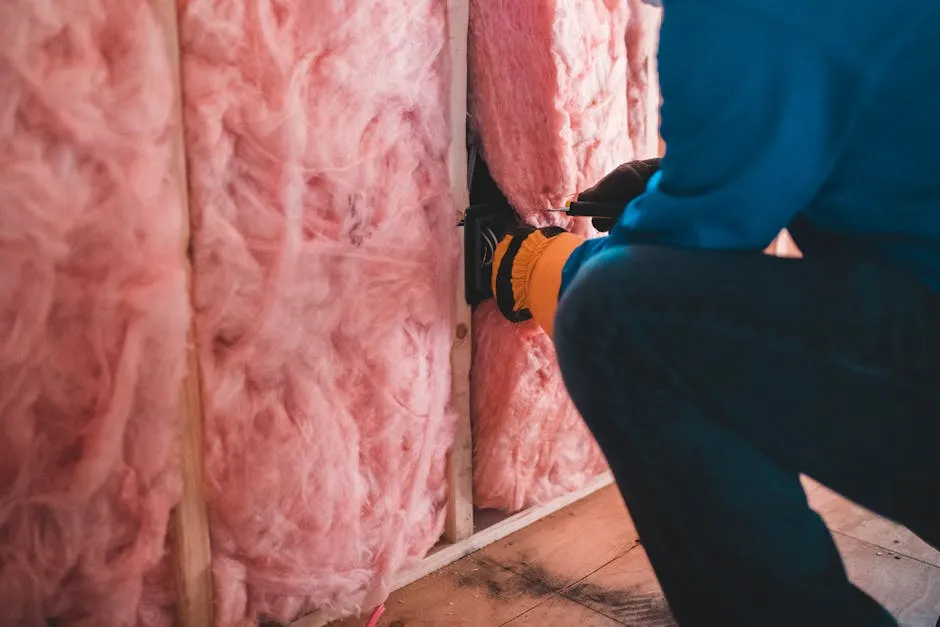
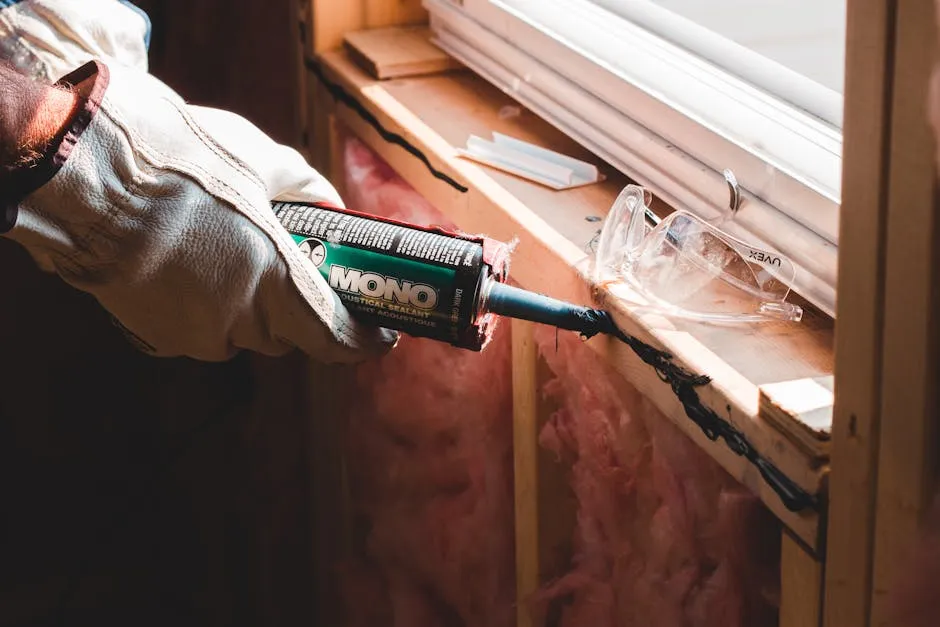
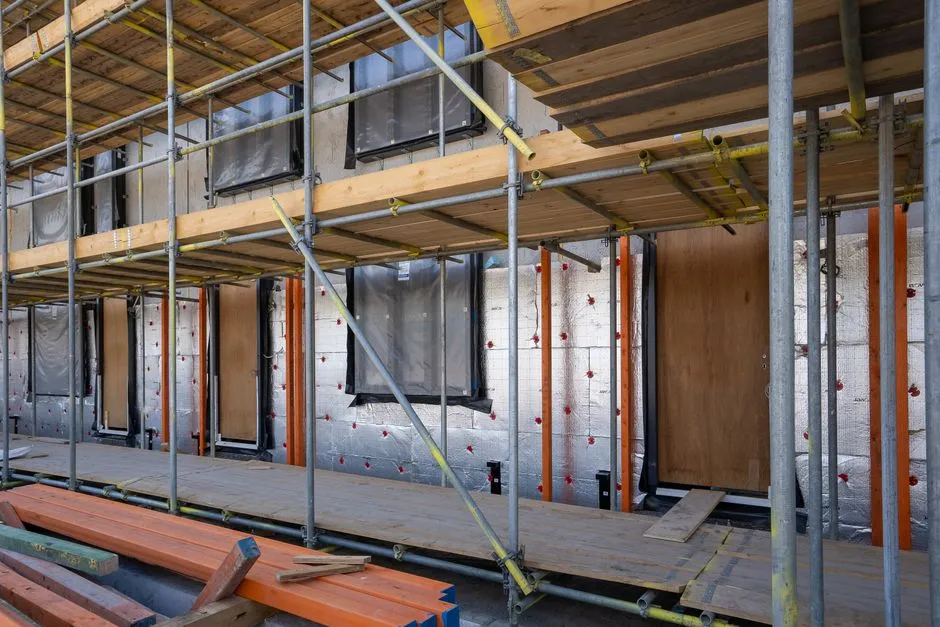
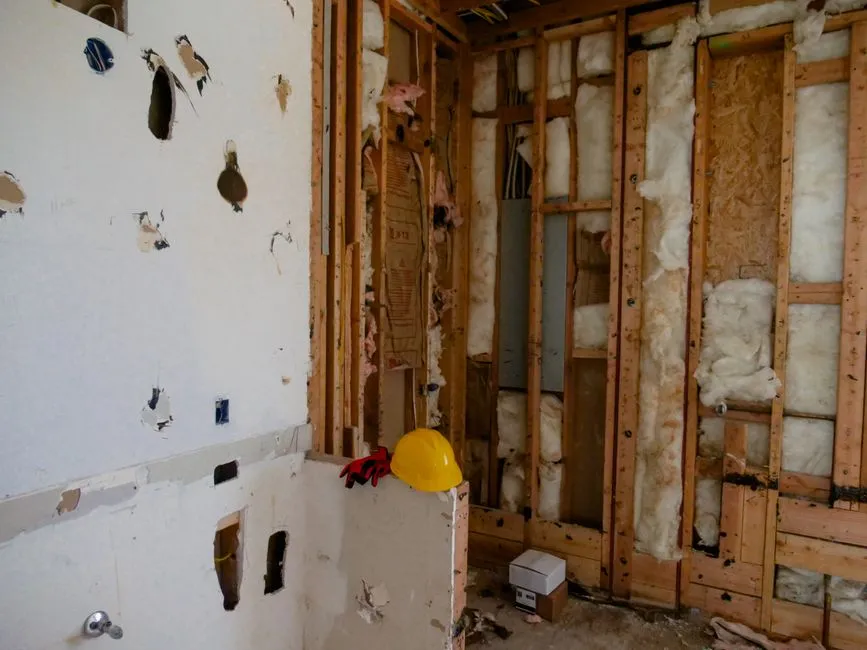
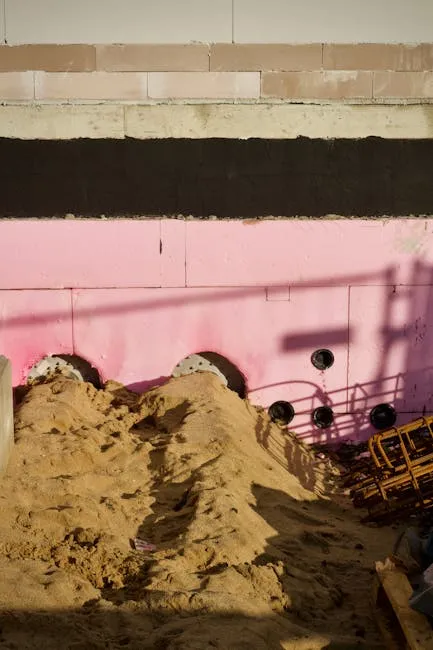
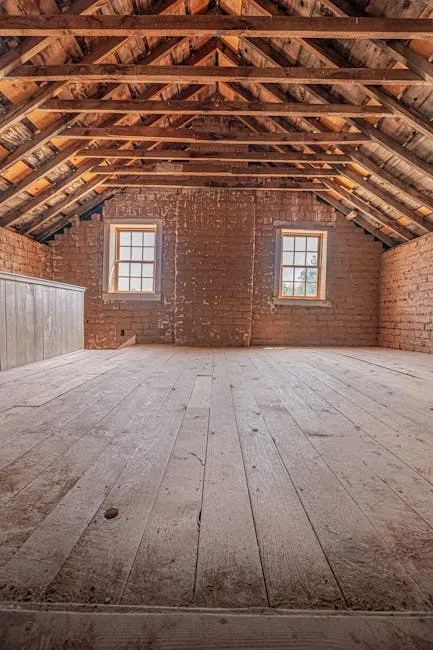
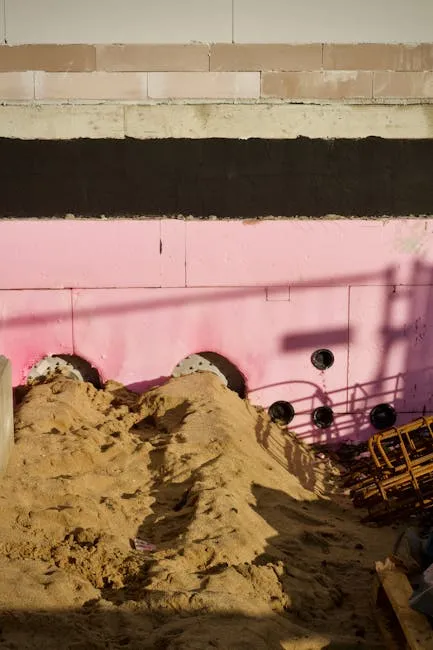
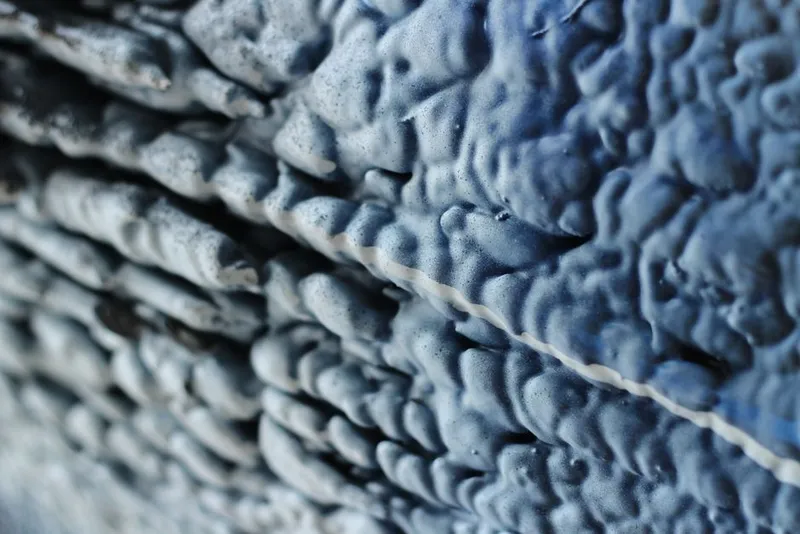
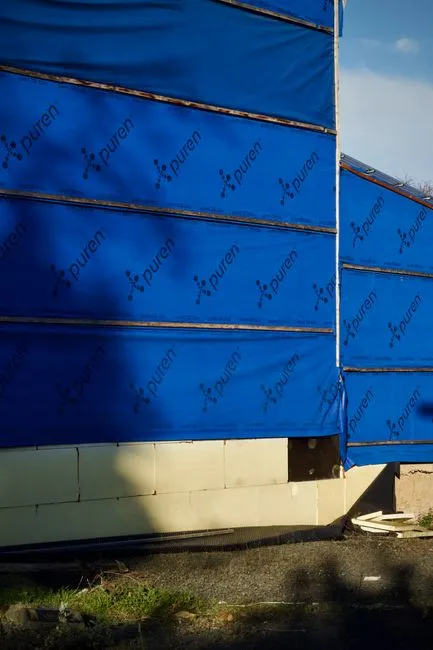
A look at the kind of work and finishes involved — licensed reference photos.
How the work actually works
Two things make insulation work: an air seal that stops drafts, and full, gap-free coverage at the right R-value. Here's how the types compare and where each belongs.
- 1
Air-seal first
Gaps, top plates, penetrations, and the rim joist get sealed before insulating. Insulation slows heat but doesn't stop air leaks — which are often the bigger comfort and energy problem.
- 2
Pick the type for the spot
Batts, blown-in, spray foam, or rigid board — each suits a different cavity and location (broken down below). One product rarely fits the whole house.
- 3
Install to full thickness, no gaps or compression
Batts cut to fit around wires and boxes (not stuffed), blown-in to an even marked depth, foam to its spec thickness. Compressed or gappy insulation quietly loses much of its rating.
- 4
Manage vapor & ventilation
A vapor retarder on the correct side for your climate, and clear attic soffit-to-ridge ventilation (baffles) so you don't trap moisture and rot the roof.
Insulation types — and where each belongs
The right material depends on the location, the access, and whether you also need an air or vapor barrier.
- Fiberglass / mineral wool batts
- Pre-cut rolls for open stud and joist bays. Cheapest and DIY-friendly — but only as good as the fit; gaps and compression kill performance. Mineral wool adds fire and sound resistance.
- Blown-in (cellulose / fiberglass)
- Loose fill blown to an even depth — ideal for attics and for filling existing walls (dense-pack) without opening them. Great coverage; it settles over time, so installed depth matters.
- Open-cell spray foam
- Expands to fill and air-seal a cavity; lower R per inch, softer, and cheaper than closed-cell. A good interior air seal — but not a vapor barrier.
- Closed-cell spray foam
- Highest R per inch, an air and vapor barrier, and it adds rigidity — the premium pick for rim joists, crawlspaces, and tight spaces. Most expensive, and must go on at the right thickness and temperature.
- Rigid foam board
- Panels for continuous insulation on exterior walls, foundations, and under slabs — it breaks the thermal bridge through framing. Seams must be taped and sealed.
R-value & the pitfalls that waste it
R-value is resistance to heat flow — higher is better — but installation defects quietly throw it away.
- R-value by climate zone
- Attics commonly target R-38 to R-60 depending on climate; walls R-13 to R-21. Match your zone, not a one-size-fits-all number.
- Compression & gaps
- A batt squashed behind a pipe, or gaps at the edges, can sharply cut a wall's real performance. Even, full coverage matters more than the rating on the bag.
- Air-sealing beats adding inches
- Sealing leaks usually does more for comfort and bills than piling more insulation onto a leaky attic floor.
- Moisture & mold
- A wrong-side vapor barrier, or foam over a damp crawlspace, traps moisture. The water and ventilation plan matters as much as the R-value.
Red flags of a corner-cut job
- No air-sealing in the scope — just adding insulation over a leaky attic.
- Batts stuffed or compressed around wiring and boxes instead of cut to fit.
- Spray foam applied over a wet substrate or at the wrong thickness.
- Blocked soffit vents or no baffles after blowing in attic insulation.
- A vapor barrier installed on the wrong side for your climate.
Put it in writing
- Air-sealing included before any insulation goes in.
- The R-value target for your climate zone, in writing.
- The right type per location (e.g. closed-cell at the rim joist, blown-in in the attic).
- Full coverage with no gaps or compression, and clear attic ventilation/baffles.
- Removal of old wet or contaminated insulation, not just covering it.
Talk like a pro
The terms a contractor uses — so you can follow the conversation and ask the right questions.
- R-value
- How well a material resists heat flow; higher is better, and layers add up.
- Air-sealing
- Closing the gaps that let air leak in and out — separate from, and often more important than, insulation.
- Open- vs. closed-cell foam
- Softer, cheaper, vapor-open foam vs. denser, higher-R, vapor-barrier foam.
- Thermal bridging
- Heat shortcutting through framing; continuous rigid foam interrupts it.
- Vapor retarder
- A layer that controls moisture movement; the correct side depends on your climate.
- Baffles
- Channels that keep attic soffit vents clear so the roof can breathe.
What drives the cost
- Type — batts are cheapest, spray foam the most expensive (and the best air seal)
- Where it goes — attic, walls, crawlspace, rim joists — and how accessible it is
- Target R-value (climate zone) and whether air-sealing is included
- Removal of old wet, moldy, or rodent-damaged insulation
What it costs to hire
Typical per-unit ranges for insulation services (estimates until local pros publish their rates):
Insulation install (batt / blown-in) | $1–$1 per sq ft |
See full prices and pros in Palmdale, Los Angeles.
Permits & safety
Permit and licensing rules vary by city and county. Before you start, check your local building department — and when in doubt, a licensed pro will know what your jurisdiction requires.
Insulation FAQ
What should a insulation quote actually include?
A good quote names the materials, the spec or grade, and the scope of work — not just one lump-sum number. The more a bid leaves vague, the more room there is for surprise costs and cut corners. The checklist above lists exactly what to put in writing for this kind of work.
How much does Insulation work cost?
On FinerNest, Insulation work is priced by the unit rather than as a single bid, so you see the rate up front. The rates above reflect what pros publish; open the city links to see full prices and available pros near you.
How do I find a trustworthy insulation pro?
Look for published rates, reviewable past work, and verified licensing where it applies. FinerNest lists local pros with all three so you can compare on work and price rather than chasing quotes.
Decided to hire it out?
Compare insulation pros with real rates and reviewable work.