
HVAC: what to know before you hire
The most expensive HVAC mistake is the most common one: a system sized by rule-of-thumb instead of calculation. An oversized unit short-cycles, never dehumidifies, and dies early — and you can't see any of that on the nameplate.
What HVAC work looks like
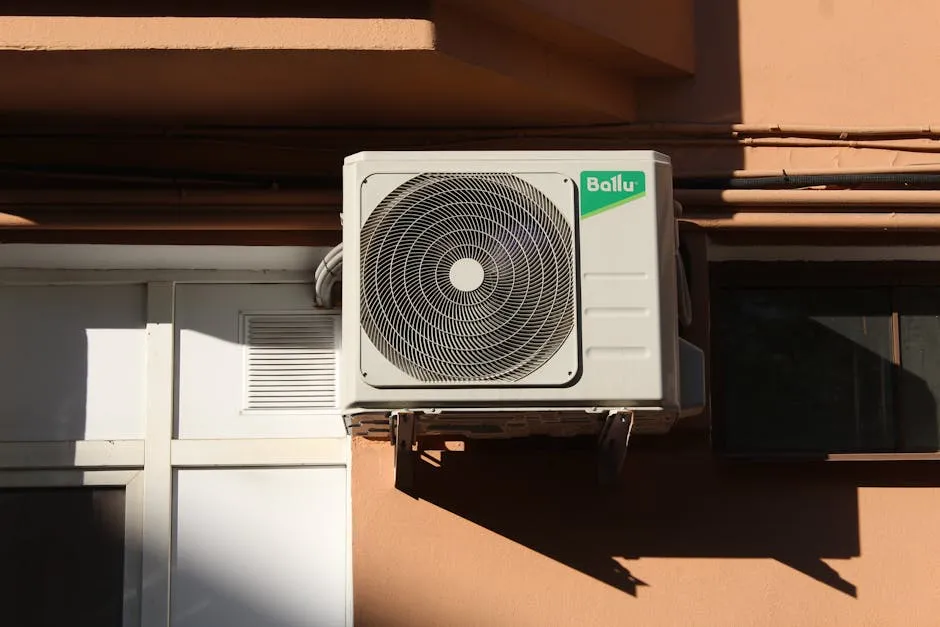
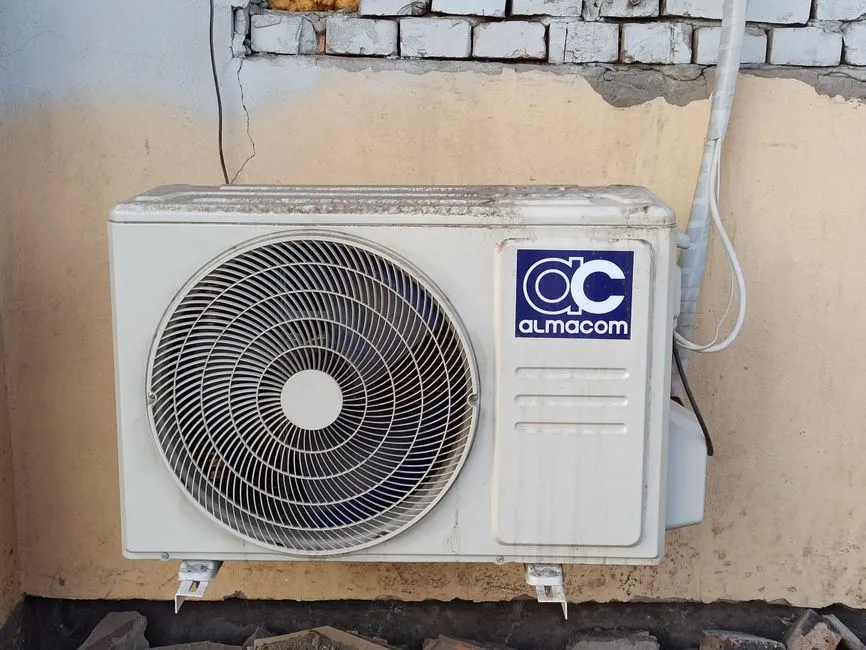
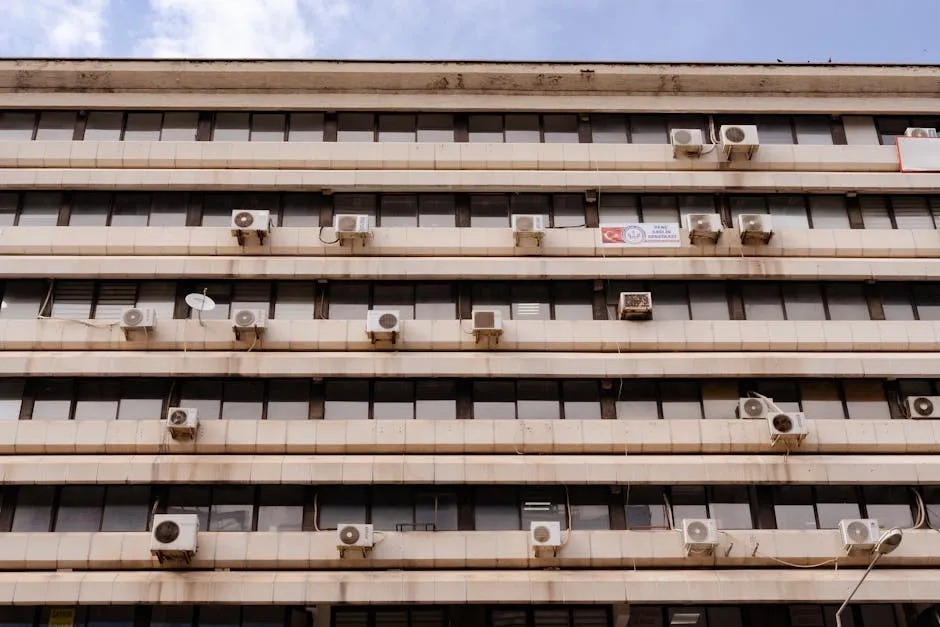
A look at the kind of work and finishes involved — licensed reference photos.
How the work actually works
Two HVAC quotes for the 'same' system can perform completely differently — it comes down to sizing, matching, and ducts. Here's what a real install involves.
- 1
Load calculation (Manual J)
A proper installer measures your home — square footage, insulation, windows, orientation — and runs a 'Manual J' load calc to size the system. 'Same size as the old one' or '1 ton per 500 sq ft' is the lazy shortcut that oversizes most homes.
- 2
Match equipment & ducts (Manual S / D)
The condenser, coil, and air handler must be a matched, AHRI-rated set. Ductwork is sized and sealed to actually deliver the air — undersized ducts choke even a perfect unit.
- 3
Install & connect
Set the equipment, run and seal ducts, line set, electrical, and condensate drain. Refrigerant lines are pulled into a vacuum to remove moisture before charging.
- 4
Commission & charge
Refrigerant charged precisely (by weigh-in or subcooling/superheat), airflow set, and the system's real performance verified — not just 'it blows cold.'
Efficiency and sizing — what the numbers mean
The ratings on the box and the sizing behind it decide your comfort and your power bill far more than the brand.
- SEER2 / HSPF2
- Cooling and heating efficiency ratings. Higher = lower bills but higher upfront. The right target depends on your climate and how long you'll stay — a pro should justify the number, not just upsell it.
- Tonnage (sizing)
- Cooling capacity in 'tons.' Bigger is NOT better — an oversized system cools fast, shuts off, and never pulls humidity, leaving you cold and clammy. Sizing comes from the Manual J, period.
- Single vs. two-stage / variable
- Single-stage is full-blast or off; two-stage and variable-speed run low most of the time — quieter, steadier temps, better humidity control, more money.
Red flags of a corner-cut job
- Sizing by square footage or 'matching the old unit' instead of a Manual J.
- A bid to swap only the outdoor unit, leaving a mismatched indoor coil (kills efficiency and warranty).
- No mention of duct sealing, airflow, or static pressure.
- No vacuum/evacuation step before charging refrigerant.
- Pushing the biggest or highest-SEER unit without explaining why for your home.
Put it in writing
- A Manual J load calculation — ask to see it — not a rule-of-thumb size.
- A matched, AHRI-certified system (condenser + coil + air handler), with the AHRI number.
- A duct evaluation and sealing, and a measured airflow / static-pressure check.
- Proper evacuation (vacuum) and a verified refrigerant charge at commissioning.
- The efficiency target justified for your climate and how long you'll stay.
Talk like a pro
The terms a contractor uses — so you can follow the conversation and ask the right questions.
- Manual J / S / D
- The industry calcs for sizing the load (J), selecting matched equipment (S), and sizing ducts (D).
- Ton
- 12,000 BTU/hr of cooling capacity.
- Air handler / condenser / coil
- Indoor blower, outdoor unit, and the heat-exchange coil — they must be a matched set for the rating to hold.
- Short-cycling
- An oversized system switching on and off rapidly — wear, poor dehumidification, high bills.
- Static pressure
- Resistance the ducts put on the blower; too high (undersized or leaky ducts) starves airflow.
What drives the cost
- System size (tonnage) and efficiency rating (SEER2/HSPF2)
- Whether ductwork needs sealing, resizing, or replacement
- Single-stage vs. two-stage / variable-speed equipment
- Access, line-set runs, and electrical or gas changes
What it costs to hire
Typical per-unit ranges for hvac services (estimates until local pros publish their rates):
Portable AC setup (vent + drain) | $66–$66 per unit |
Central AC tune-up / maintenance | $98–$98 per visit |
Furnace replace | $459–$459 per unit |
Central AC replacement (condenser + air handler) | $655–$655 per system |
Mini-split install — large multi-zone (4+ indoor) | $1,310–$1,310 per system |
See full prices and pros in Palmdale, Los Angeles.
Permits & safety
This is safety- and code-sensitive work that often requires a licensed professional and a permit. Rules vary by city and county, so confirm with your local building department before any work begins.
HVAC FAQ
What should a hvac quote actually include?
A good quote names the materials, the spec or grade, and the scope of work — not just one lump-sum number. The more a bid leaves vague, the more room there is for surprise costs and cut corners. The checklist above lists exactly what to put in writing for this kind of work.
How much does HVAC work cost?
On FinerNest, HVAC work is priced by the unit rather than as a single bid, so you see the rate up front. The rates above reflect what pros publish; open the city links to see full prices and available pros near you.
How do I find a trustworthy hvac pro?
Look for published rates, reviewable past work, and verified licensing where it applies. FinerNest lists local pros with all three so you can compare on work and price rather than chasing quotes.
Decided to hire it out?
Compare hvac pros with real rates and reviewable work.