
Haul & Demo: what to know before you hire
Haul and demo is priced by volume and weight, and the surprises are dump fees and what's hiding in an old wall. Sizing the dumpster right and knowing what can't go in it saves real money; demo on an old home means watching for asbestos, lead, and live utilities.
What haul & demo work looks like
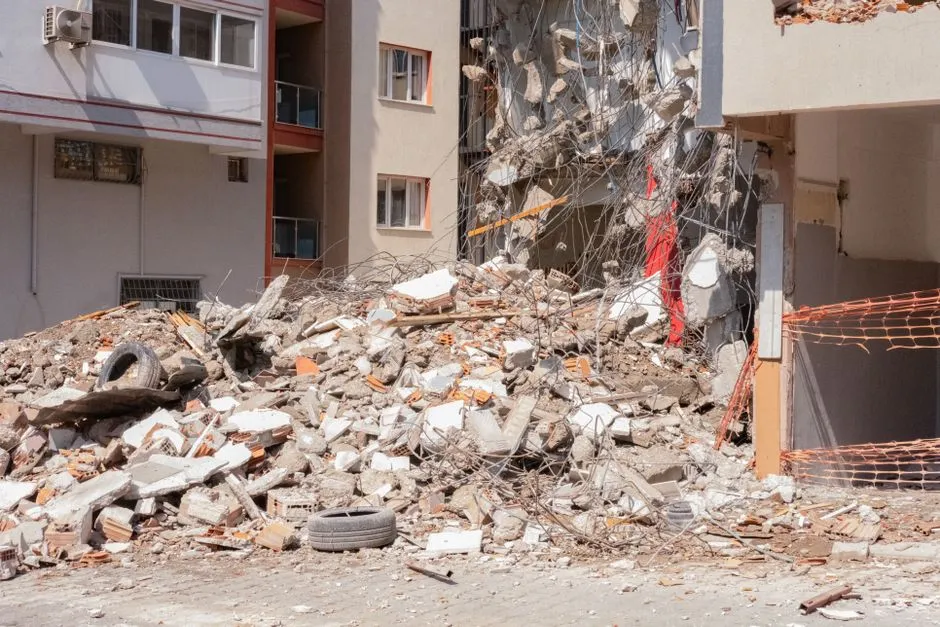
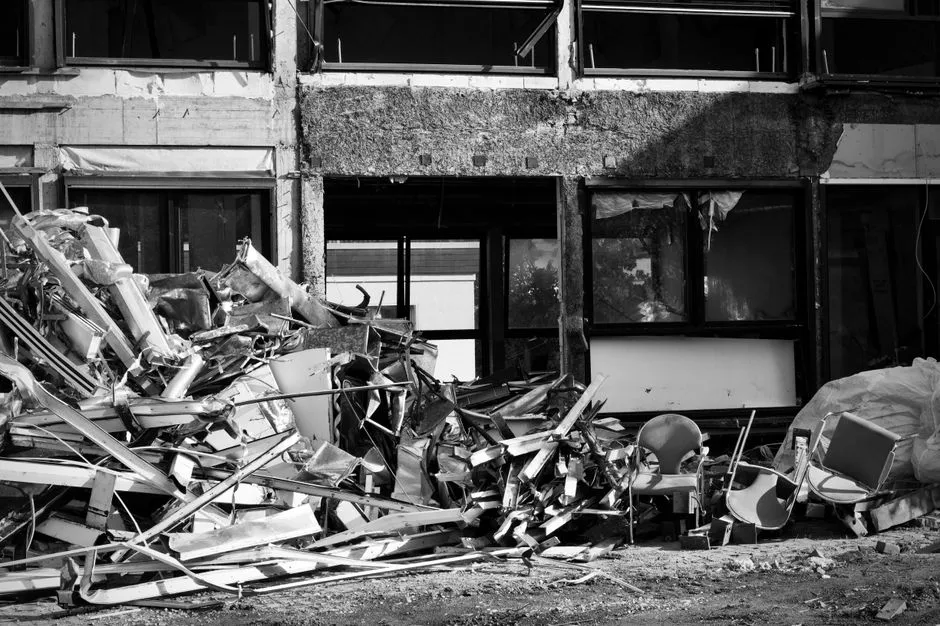
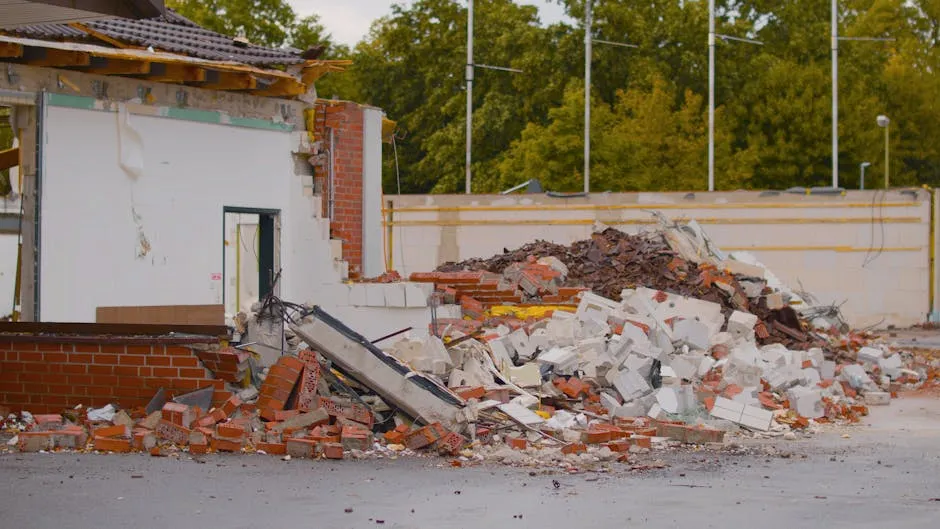
A look at the kind of work and finishes involved — licensed reference photos.
How the work actually works
Two jobs here: getting rid of stuff (a dumpster or junk haul) and tearing things out (demo). Here's how to size it and where the fees and hazards hide.
- 1
Size the dumpster to the job
A roughly right size avoids paying for air or for a second haul. Roofing and concrete are heavy and hit weight limits long before the box looks full.
- 2
Keep out the extra-fee items
Appliances, tires, paint, chemicals, and other hazardous or banned items can't just go in the dumpster — they're separate disposal with separate fees.
- 3
Demo safely (old homes especially)
Before tearing into a pre-1980s home, consider asbestos and lead testing; shut off and verify the utilities in the wall; contain the dust. Only non-structural demo is routine — load-bearing is a framing job.
- 4
Sort, load, and haul
Recyclable or donatable material separated where it saves money, then loaded and hauled to the right facility.
Dumpster sizes & hauling
Pick by both volume and weight — heavy debris hits the weight cap before it fills the box.
- 10–15 yard
- Small cleanouts, a single room, or heavy debris (concrete, dirt, roofing) where weight — not volume — is the limit.
- 20 yard
- The common remodel size — a kitchen or bath gut, flooring, or a medium cleanout.
- 30–40 yard
- Big projects, whole-home cleanouts, or bulky-but-light construction debris.
- Junk haul (no dumpster)
- A crew loads and hauls a pickup-load — best for a few items, or when a dumpster won't fit or isn't worth it.
- Appliance & e-waste
- Fridges, AC units, and electronics need special handling and recycling — usually a separate fee, not dumpster fill.
Demo pitfalls
Demolition is fast and satisfying — and the fastest way to hit a pipe, a wire, or a hazard.
- Asbestos & lead (pre-1980s)
- Old flooring, popcorn ceilings, insulation, and paint can contain asbestos or lead. Test before demo; a positive means licensed abatement, not a sledgehammer.
- Utilities in the wall
- Shut off and verify water, gas, and electrical before opening a wall — hitting a live line is dangerous and expensive.
- Structural vs. non-structural
- Routine demo is non-load-bearing only. If a wall might be holding weight, that's a framing/engineering job first.
- Dust & containment
- Sealing off the area and protecting the HVAC keeps demo dust out of the rest of the house.
Red flags of a corner-cut job
- A dumpster sized by volume only when the debris is heavy (surprise tonnage fees).
- Tossing appliances, tires, or chemicals in a standard dumpster.
- Demo on an old home with no asbestos/lead testing.
- Opening walls without shutting off and verifying the utilities inside.
- Calling load-bearing removal 'demo' with no framing/engineering plan.
Put it in writing
- The dumpster sized for both volume and weight, with overage rates disclosed.
- Prohibited or special-handling items identified and priced separately up front.
- Asbestos/lead testing before demo on older homes.
- Utilities shut off and verified, and dust containment, before demo.
- Confirmation that any wall removed is non-structural (or engineered first).
Talk like a pro
The terms a contractor uses — so you can follow the conversation and ask the right questions.
- Yard (dumpster)
- Cubic yards of capacity (10–40); pick by volume and weight.
- Tonnage / overage
- Weight limits on a dumpster; exceeding them adds per-ton fees.
- Prohibited items
- Hazardous or special-handling items banned from standard dumpsters.
- Abatement
- Licensed removal of asbestos or lead.
- Non-structural demo
- Tearing out walls or finishes that carry no load.
What drives the cost
- Dumpster size (10–40 yard) and weight/tonnage — overages add up fast
- Prohibited items (appliances, tires, hazardous materials) that cost extra
- Demo scope, and whether the home is old enough for asbestos/lead concerns
- Access, stairs, and how much is hand-carried
What it costs to hire
Real per-unit rates pros publish on FinerNest — a sample of haul & demo services:
Interior demo — non-structural | $2–$8 per sq ft (room area) |
Junk haul — pickup-truck load (no dumpster) | $85–$250 per load |
Dumpster + haul — 15 yard | $200–$350 per dumpster |
Dumpster + haul — 20 yard | $250–$400 per dumpster |
Dumpster + haul — 40 yard | $350–$600 per dumpster |
See full prices and pros in Palmdale, Los Angeles.
Permits & safety
Permit and licensing rules vary by city and county. Before you start, check your local building department — and when in doubt, a licensed pro will know what your jurisdiction requires.
Haul & Demo FAQ
What should a haul & demo quote actually include?
A good quote names the materials, the spec or grade, and the scope of work — not just one lump-sum number. The more a bid leaves vague, the more room there is for surprise costs and cut corners. The checklist above lists exactly what to put in writing for this kind of work.
How much does Haul & Demo work cost?
On FinerNest, Haul & Demo work is priced by the unit rather than as a single bid, so you see the rate up front. The rates above reflect what pros publish; open the city links to see full prices and available pros near you.
How do I find a trustworthy haul & demo pro?
Look for published rates, reviewable past work, and verified licensing where it applies. FinerNest lists local pros with all three so you can compare on work and price rather than chasing quotes.
Decided to hire it out?
Compare haul & demo pros with real rates and reviewable work.