
Glass & Glazing: what to know before you hire
Most window shopping is about the parts you can't compare in a showroom: how many panes, the invisible Low-E coating, and what the frame is made of decide your comfort and energy bills far more than the brand on the sticker.
What glass & glazing work looks like
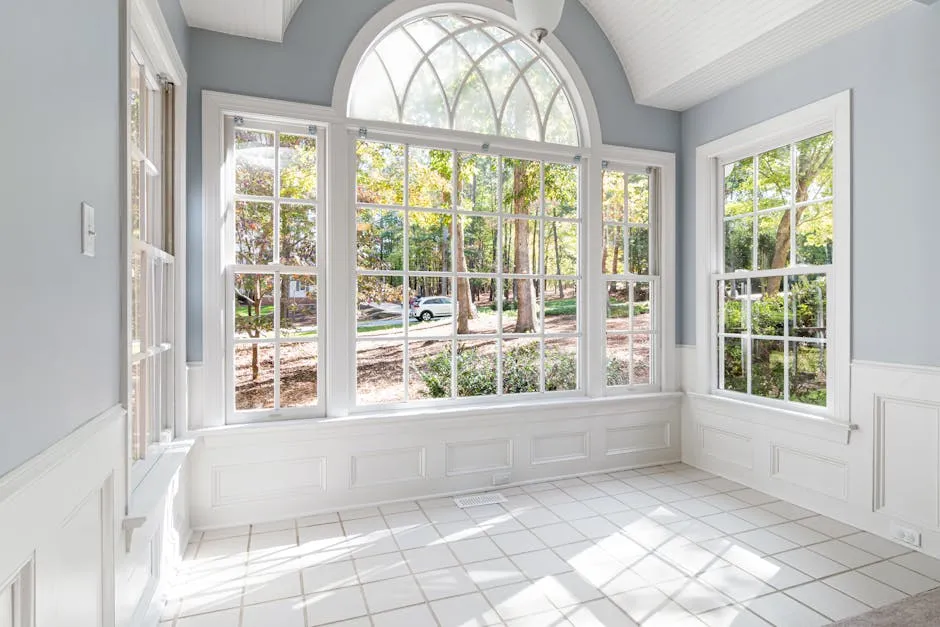
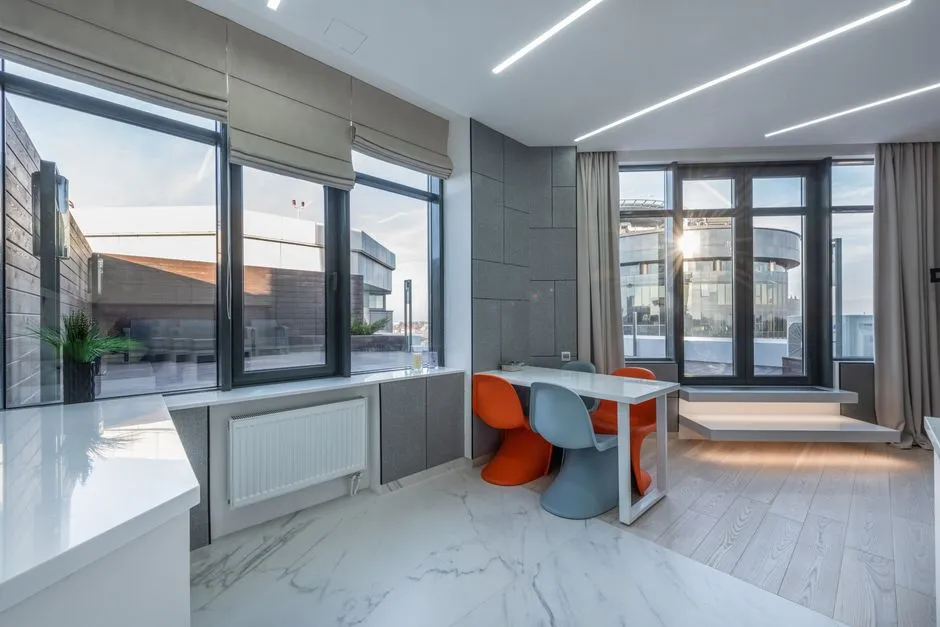
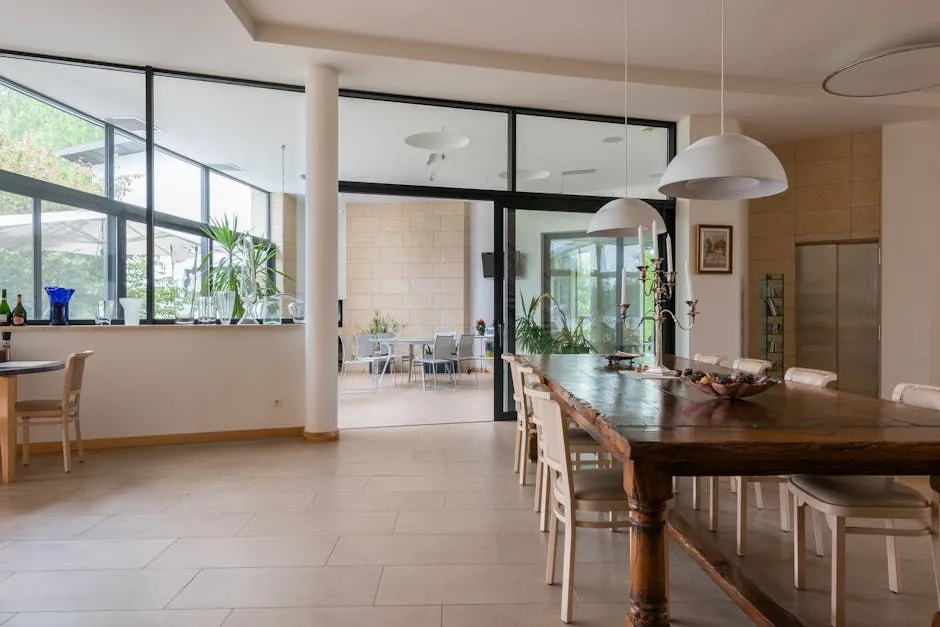
A look at the kind of work and finishes involved — licensed reference photos.

How the work actually works
A window is a glass package in a frame, installed into a waterproofed opening. Here's how to compare the parts that actually matter and the install details that keep water out.
- 1
Pick the glass package
Number of panes, Low-E coating, and gas fill set the efficiency (broken down below). This matters more than the brand.
- 2
Pick the frame material
Vinyl, fiberglass, wood, or aluminum — the durability, look, and price trade-off (compared below).
- 3
Choose full-frame vs. insert
Full-frame replacement (into the rough opening, with new flashing) when the old frame or sill is compromised; an insert/pocket (into the existing frame) only when that frame is still sound and square.
- 4
Flash and seal the opening
Flashing, a sill pan, and sealing so water sheds out — the same leak-prevention as a door, and the part a cheap install skips.
The glass package — what drives efficiency
Two windows that look identical can perform very differently. These are the specs to compare instead of the brand.
- Double vs. triple pane
- Two panes is the standard; a third adds insulation and sound-deadening for cold climates or noisy streets — at more cost and weight.
- Low-E coating
- An invisible metallic coating that reflects heat — keeping it in during winter and out in summer. Different 'tunings' exist for hot vs. cold climates; this is the single biggest efficiency lever.
- Gas fill (argon / krypton)
- Inert gas between the panes insulates better than air — a cheap upgrade, though it can slowly leak out if the seal fails.
- U-factor & SHGC
- U-factor is how well the whole window insulates (lower is better); SHGC is how much solar heat it lets in (lower for hot climates, higher for cold). The numbers to compare — not the brand.
Frame materials
The frame decides maintenance, lifespan, and a surprising amount of the price.
- Vinyl
- Affordable, low-maintenance, and well-insulating — the value default. Can look bulkier, and a cheap one may warp in extreme heat.
- Fiberglass / composite
- Stronger and more stable than vinyl, with slim sightlines, paintable, and long-lasting — a premium step up.
- Wood (often clad)
- A warm look, usually with an aluminum or vinyl exterior cladding to cut upkeep. Premium and the classic choice for traditional homes; bare wood needs maintenance.
- Aluminum
- Strong and slim, but it conducts heat — poor insulation unless 'thermally broken.' Common in mild climates and modern or commercial looks.
Red flags of a corner-cut job
- Comparing windows by brand and price alone, with no U-factor, SHGC, or Low-E spec.
- No flashing or sill pan at the opening — a leak behind the trim later.
- An insert/pocket window forced into a rotted or out-of-square opening.
- Aluminum frames with no thermal break in a cold climate.
- Foggy existing glass (a failed IGU seal) being 'cleaned' rather than replaced.
Put it in writing
- The glass spec in writing — pane count, Low-E type, gas fill, and U-factor/SHGC for your climate.
- A frame material chosen for your climate and upkeep tolerance.
- Flashing and a sill pan at every opening, integrated with the trim.
- Full-frame replacement (not an insert) where the existing frame is compromised.
- A warranty that covers seal failure (fogging) on the insulated glass units.
Talk like a pro
The terms a contractor uses — so you can follow the conversation and ask the right questions.
- Low-E
- A heat-reflecting coating on the glass — the main efficiency feature.
- U-factor / SHGC
- Insulation value (lower is better) / solar heat let in (climate-dependent) — the two comparison numbers.
- IGU (insulated glass unit)
- The sealed multi-pane glass assembly; a failed seal causes fogging between the panes.
- Gas fill
- Argon or krypton sealed between panes for better insulation than air.
- Full-frame vs. insert
- Full replacement into the rough opening vs. a pocket insert into the existing frame.
- Thermally broken
- An aluminum frame with an insulating barrier so it doesn't conduct cold straight through.
What drives the cost
- Glass package — double vs. triple pane, Low-E coatings, and gas fill
- Frame material — vinyl vs. fiberglass vs. wood vs. aluminum
- New-construction vs. insert/retrofit, and the number and size of openings
- Whether the opening needs re-framing, flashing, and trim
What it costs to hire
Typical per-unit ranges for glass & glazing services (estimates until local pros publish their rates):
Shower door — framed | $94–$94 per door |
Shower door — semi-frameless | $89–$89 per door |
Shower door — frameless (heavy glass) | $105–$105 per door |
Tub sliding glass door | $94–$94 per door |
Wall mirror install (vanity / gym) | $30–$30 per mirror |
See full prices and pros in Palmdale, Los Angeles.
Permits & safety
Permit and licensing rules vary by city and county. Before you start, check your local building department — and when in doubt, a licensed pro will know what your jurisdiction requires.
Glass & Glazing FAQ
What should a glass & glazing quote actually include?
A good quote names the materials, the spec or grade, and the scope of work — not just one lump-sum number. The more a bid leaves vague, the more room there is for surprise costs and cut corners. The checklist above lists exactly what to put in writing for this kind of work.
How much does Glass & Glazing work cost?
On FinerNest, Glass & Glazing work is priced by the unit rather than as a single bid, so you see the rate up front. The rates above reflect what pros publish; open the city links to see full prices and available pros near you.
How do I find a trustworthy glass & glazing pro?
Look for published rates, reviewable past work, and verified licensing where it applies. FinerNest lists local pros with all three so you can compare on work and price rather than chasing quotes.
Decided to hire it out?
Compare glass & glazing pros with real rates and reviewable work.