
Garage: what to know before you hire
On FinerNest, 'Garage' is really garage doors — the biggest moving object in your house, and the one with parts under enough tension to injure you. The decisions are the door's material and insulation, the opener, and (critically) the spring type.
What garage-door work looks like
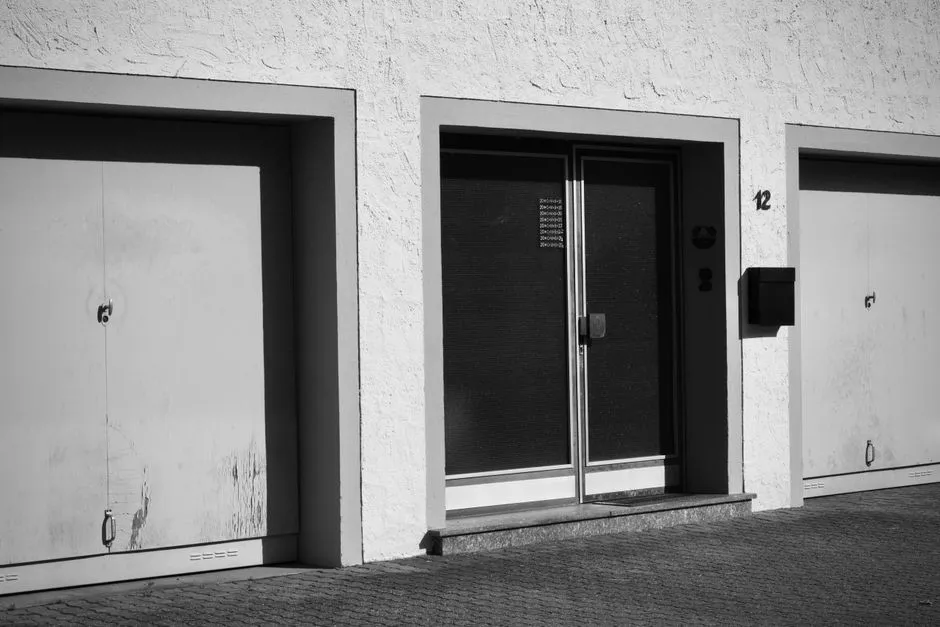
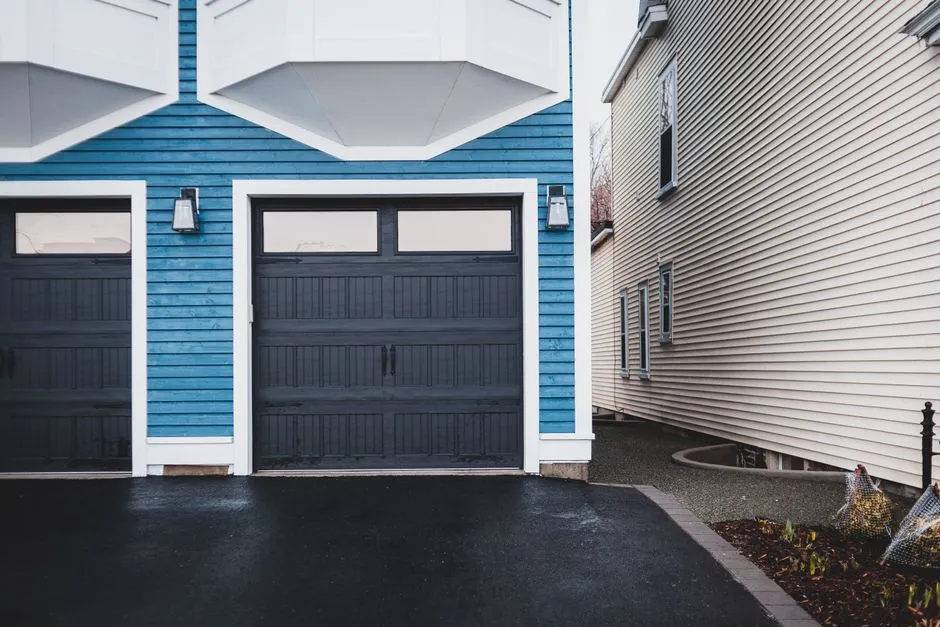
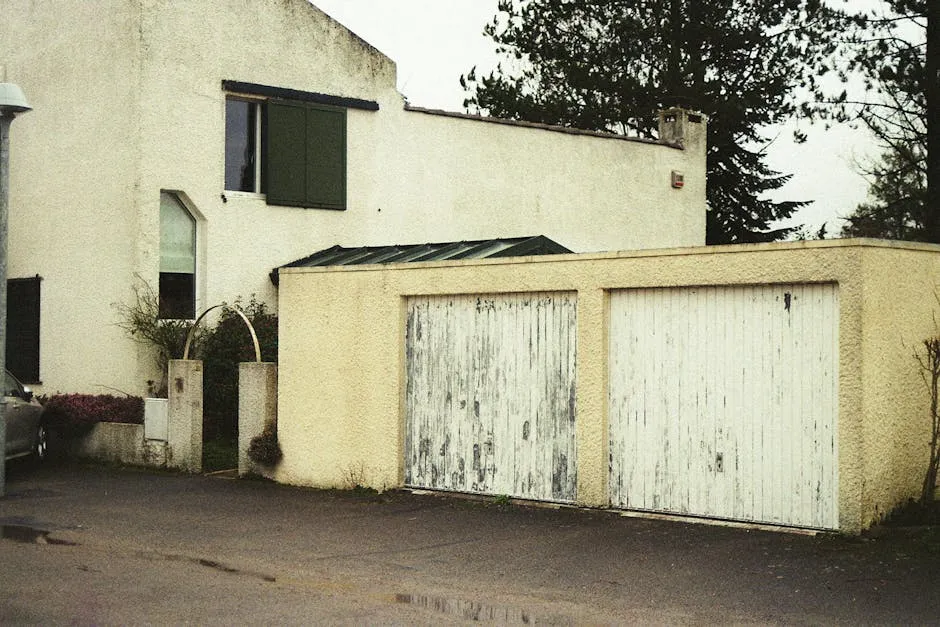
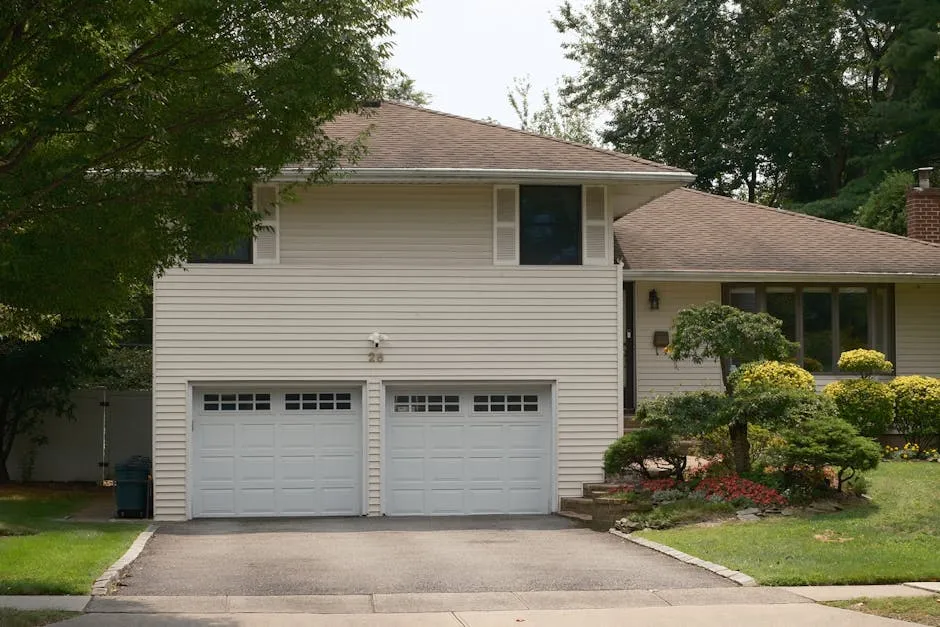
A look at the kind of work and finishes involved — licensed reference photos.
How the work actually works
A garage door is a balanced spring system, not just a panel and an opener. Here's how to choose one and the safety part you should never DIY.
- 1
Pick the door and insulation
Material and R-value: an attached or heated garage wants an insulated door; a detached cold-storage one may not.
- 2
Choose the opener
Belt, chain, or screw drive, with optional Wi-Fi control. Belt drive is the quietest — worth it when there's living space above or beside the garage.
- 3
Set the springs and balance
Torsion or extension springs are sized to the door's weight and tensioned so the door is balanced — this is the dangerous, get-a-pro part.
- 4
Install safety devices and test
Photo-eye sensors and auto-reverse are code; the installer verifies the door reverses on contact and the sensors stop it.
Springs & openers — the safety and quiet decisions
Two choices matter most: the spring system (a safety issue) and the opener drive (a noise and reliability issue).
- Torsion springs (recommended)
- Mounted on a bar above the door — safer, more durable, and better balanced than extension springs. Under high tension; always a pro repair.
- Extension springs
- Run along the tracks — cheaper and common on older doors, but more dangerous if they fail without a containment cable. Upgrading to torsion is often worth it.
- Belt-drive opener
- The quietest, smoothest opener — worth it when there's living space above or beside the garage. Low maintenance.
- Chain-drive opener
- Cheapest and very durable, but louder. Fine for a detached or standalone garage.
- Screw-drive / smart
- Screw drive is simple with few parts; most new openers add Wi-Fi, battery backup, and smartphone control.
Door materials & insulation
Match the door to the climate and whether the garage is conditioned.
- Steel
- The default — affordable, low-maintenance, and available insulated. It can dent; a foam-core insulated steel door is the value sweet spot.
- Aluminum / glass
- Light and modern (often full-view glass panels), rust-proof, but pricier and less insulating.
- Wood / composite
- A premium, custom look; real wood needs refinishing, composite mimics it with less upkeep.
- Insulation (R-value)
- An insulated door cuts noise and helps temperature for attached or heated garages and rooms above; a detached cold-storage garage may not need it.
Red flags of a corner-cut job
- A DIY or unqualified spring repair — high-tension springs cause serious injuries.
- No photo-eye sensors, or no auto-reverse test on the install.
- A door that won't stay balanced (drifts up or slams down) — a spring problem.
- An uninsulated door spec'd for a garage with living space above.
- Reusing worn cables and rollers on a new door or new springs.
Put it in writing
- A licensed pro for any spring work, with the spring sized to the door's weight.
- Torsion springs where possible, and a containment cable on any extension springs.
- Photo-eye sensors and a verified auto-reverse test before sign-off.
- An insulated door for attached or heated garages, or rooms above.
- New cables and rollers with a new door, not reused parts.
Talk like a pro
The terms a contractor uses — so you can follow the conversation and ask the right questions.
- Torsion vs. extension spring
- Two spring systems that counterbalance the door's weight; torsion is safer and more durable.
- Auto-reverse / photo-eye
- Safety features that stop and reverse the door if something's in the way — code-required.
- Drive type (belt/chain/screw)
- How the opener moves the door — it drives the noise level and maintenance.
- R-value
- The door's insulation rating; higher for attached or conditioned garages.
- Counterbalance
- The spring system that lets a heavy door open with little force.
What drives the cost
- Single vs. double door, and material (steel, aluminum, wood, composite)
- Insulation level (R-value) for attached or heated garages
- Opener type and smart features
- Spring, cable, and roller condition on a repair
What it costs to hire
Typical per-unit ranges for garage services (estimates until local pros publish their rates):
Garage door weather seal | $38–$38 per door |
Garage door spring replace | $95–$95 per pair |
Garage door opener install | $246–$246 per opener |
Garage door install — single (8–9 ft) | $379–$379 per door |
Garage door install — double (16 ft) | $505–$505 per door |
See full prices and pros in Palmdale, Los Angeles.
Permits & safety
Permit and licensing rules vary by city and county. Before you start, check your local building department — and when in doubt, a licensed pro will know what your jurisdiction requires.
Garage FAQ
What should a garage quote actually include?
A good quote names the materials, the spec or grade, and the scope of work — not just one lump-sum number. The more a bid leaves vague, the more room there is for surprise costs and cut corners. The checklist above lists exactly what to put in writing for this kind of work.
How much does Garage work cost?
On FinerNest, Garage work is priced by the unit rather than as a single bid, so you see the rate up front. The rates above reflect what pros publish; open the city links to see full prices and available pros near you.
How do I find a trustworthy garage pro?
Look for published rates, reviewable past work, and verified licensing where it applies. FinerNest lists local pros with all three so you can compare on work and price rather than chasing quotes.
Decided to hire it out?
Compare garage pros with real rates and reviewable work.